
Topic
This article discusses using WinGet (Microsoft Windows Package Manager) with NinjaOne.
Environment
NinjaOne Patching
Description
WinGet is the command-line tool for the Windows Package Manager. In NinjaOne, the WinGet integration installs and upgrades applications on Microsoft Windows 10 or later devices and configures patch settings for selected software.
WinGet Integration (NinjaOne, Inc., 01:22)
Select a topic to continue:
- About WinGet
- Using WinGet in NinjaOne
- Activating WinGet
- Adding WinGet Software
- Configuring WinGet Software for Patch Management
- Scanning for Software Updates
- Automatically Upgrading All Applications
- Additional Resources
About WinGet
Microsoft WinGet allows users to discover, install, upgrade, and remove applications on Windows endpoints. In NinjaOne, this integration serves as a powerful command-line interface to Microsoft's Windows Package Manager service.
The following details apply to WinGet in NinjaOne:
- System Requirements: Windows 10 2004 (build 19041) or higher is required to support NinjaOne's Windows Package Manager integration. The Windows Package Manager is available on Windows 11, modern versions of Windows 10 as a part of the app installer.
- Software Availability: Not all products in the default WinGet repository will be available within NinjaOne. We support machine-wide installers, but do not support user-scope installers.
- Automatic Deployment: When you have activated software patching for a policy, and the product list includes WinGet products, the NinjaOne agent will deploy a WinGet engine component to Windows 10 and later workstations.
- Security and Validation: All packages submitted to the Windows Package Manager repository undergo an approval process to ensure they comply with Windows Package Manager policies and contain no known malicious behavior. WinGet runs each submission through several antivirus programs. NinjaOne does not validate software packages in the repository and cannot guarantee their authenticity, security, or integrity.
- Installation Scope: The application can only be activated, deactivated, or removed. There are no additional configuration options except within policy software patching and installation settings. After WinGet is activated, deactivating or removing the application will also remove all WinGet settings. When WinGet is deactivated, you cannot use the WinGet engine to scan for or apply patches to applications.
- Engine Constraints: WinGet does not currently support "force close" functionality for applications during updates. You cannot install or update per-user application instances. NinjaOne currently only supports system-wide installers.
To learn more about WinGet, read Microsoft's Use WinGet to install and manage applications article (external link).
Using WinGet in NinjaOne
Follow the steps below to add and configure software through WinGet, and manage patching for WinGet-managed applications.
Activating WinGet
Activate the NinjaOne WinGet application before adding software.
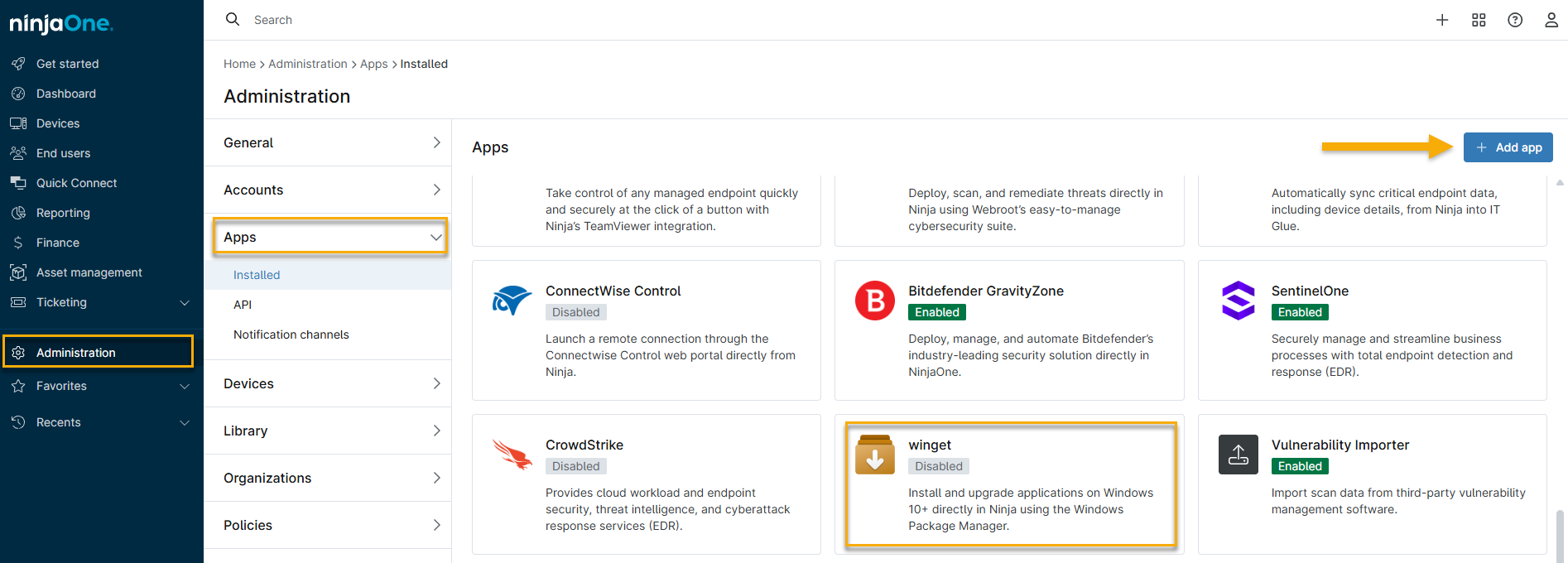
- In Administration → Apps, click Add app, then select winget.
- Click Enable if not selected by default.
Adding WinGet Software
After activating the NinjaOne WinGet application globally, you can activate it on the policy level, enabling users to search for any application across the WinGet and NinjaOne catalogs by vendor name, product name, or source.
Navigate to Administration → Policies and select a Windows policy.
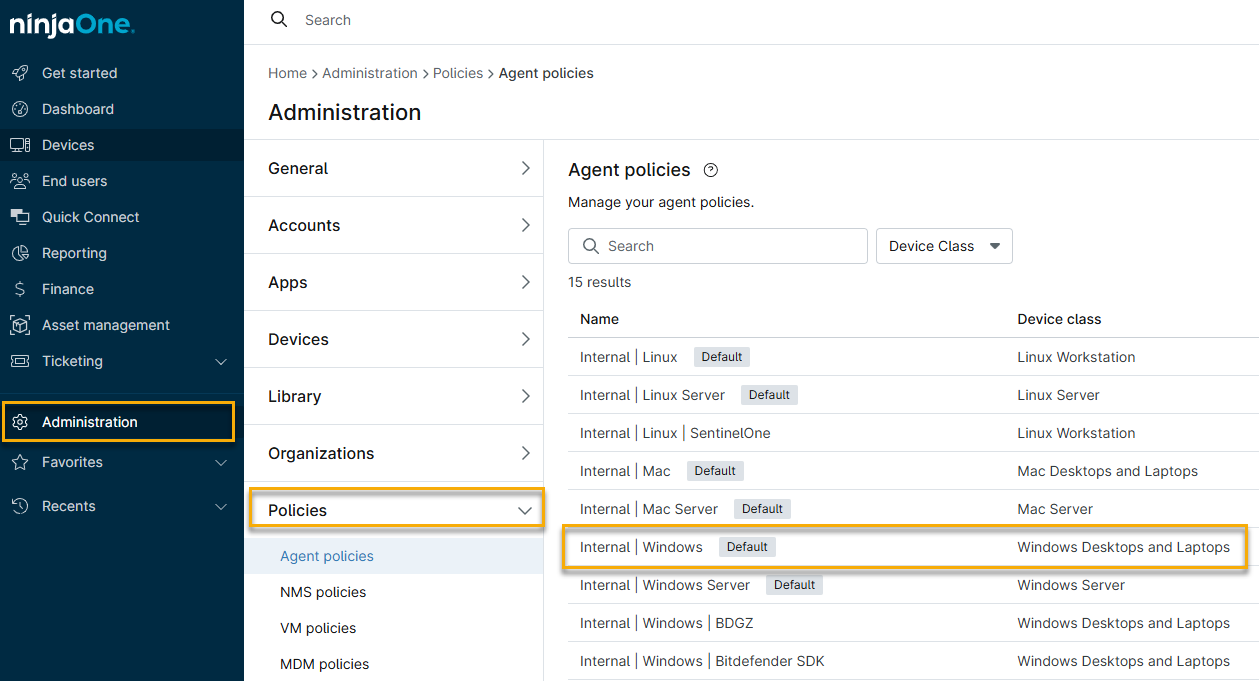
Figure 2: Windows policy selection (click to enlarge) Click Software in the configuration options, ensure the Software tab is selected, then click + Add software.

Figure 3: The Software tab (click to enlarge) In the Software library, click Source, then select winget. Find the desired application and click Add.

Figure 4: Adding WinGet software (click to enlarge) - Click Save on the policy's configuration page to apply the changes.



Configuring WinGet Software for Patch Management
After you have added the software to the policy, you can modify it for patch management.
Select the Software
- Navigate to Administration → Policies and open a Windows policy, or use the process described in Adding WinGet Software, above, to add the software.
Click Software in the configuration options, ensure the Software tab is selected, and select the checkboxes for one or more applications. Then, click Edit.

Figure 5: The Software list (click to enlarge)

Configure the Software
Update the patch configuration fields to your preference, then click Save.

Figure 6: Edit software dialog (click to enlarge) Click Save on the policy's configuration page to set the changes.

Figure 7: Save changes (click to enlarge)


Scanning for Software Updates
You can use NinjaOne to scan for new updates to WinGet-supported software.
- In the device dashboard for any endpoint with WinGet software added, click the action button and select Software Update → Scan. NinjaOne performs the Windows patch management scan and updates the Activities section.
- View patch activities in Patching → Software → Approved/Rejected/Installed.
Automatically Upgrading All Applications
You can receive automatic updates for all WinGet-supported applications, saving you administrator time and enhancing application security.
In your policy, click Software in the configuration options, make sure the General tab is selected, then scroll to the WinGet card and select the Update all available software to the latest version checkbox.
Selecting the optional Attempt to update even if the software's current version is unknown checkbox makes WinGet run with the
--include-unknowncommand, which will upgrade packages even if the system cannot determine the current installed version.
Figure 8: Enable automatic upgrades (click to enlarge)

Additional Resources
For more information about WinGet, refer to Use WinGet to install and manage applications (external link).