Key Points
- The Secure Web Gateway (SWG) mechanism protects users, organizations, devices, and networks from web-based threats whenever internet access is established.
- SWG filters web content to enforce web access policies, reduce exposure to malicious web content, apply organizational rules on web access, and provide visibility into web usage patterns.
- While helpful, SWG has limitations such as not being able to look over outside web traffic, replace VPN, provide complete threat protection, and eliminate endpoint monitoring integration from elsewhere.
- An SWG is most effective when guided by clear usage rules and user identities, while supported by external device-health checks and a ready-to-act response team.
With all the threats looming whenever you do any operation involving the Internet, it’s only logical to have a safety firewall. That is why Security Web Gateway (SWG) is in place, a protective mechanism that has been shielding Internet users since the early days of the web, evolving from a simple “keep out” sign into a sophisticated, intelligent filter for the modern age.
In this article, we will explore what a Secure Web Gateway is, its limitations, and other strategies it cannot replace. This should help you understand how SWG works and how it can help organizations establish a robust digital safety and defense.
What Secure Web Gateways are meant to accomplish
Secure Web Gateway (SWG) is a cybersecurity solution designed to inspect and control web traffic to help protect people or organizations from web-based threats. SWG aims to:
- Enforce web access policy consistently
- Reduce exposure to malicious or inappropriate web content
- Apply organizational rules regardless of user location
- Provide visibility into web usage patterns
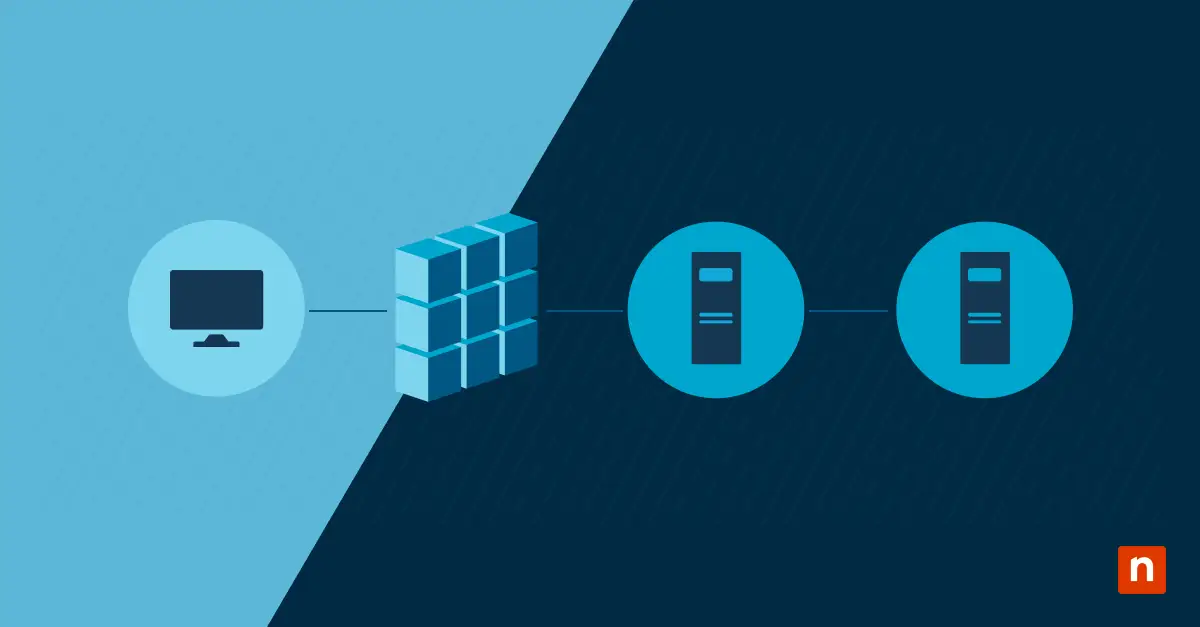
SWG sits at the center of web traffic inspection, ensuring everything goes through inspection to block malicious web traffic and enforce acceptable use policies.
Common misconceptions about Secure Web Gateways
There are a lot of misunderstandings about SWG that can dangerously affect Internet users’ perception of the cybersecurity solution. Here are some things SWG cannot do:
- Secure all user activity: SWG only inspects web-related connections. This means that the gateway does not protect any operation outside of web traffic.
- Replace VPN or endpoint controls: SWG cannot replace Virtual Private Networks (VPN) because it cannot secure internal network movement, encrypt non-web protocols, or provide the comprehensive “all-traffic” tunnel that a VPN creates.
- Provide complete threat protection: SWG only filters web-based traffic to the internet. It does not protect against threats that enter your network through other channels, like infected flash drives, phishing phone calls, and more.
- Eliminate the need for monitoring elsewhere: As highlighted, SWG cannot provide comprehensive visibility over an entire IT environment. It warrants a robust monitoring solution to complement its targeted web-based filtering.
Secure Web Gateways versus broader access controls
Secure Web Gateways focus on specific types of control:
What SWGs focus on
- Inspecting and controlling web traffic at the application layer.
- URL category and content filtering.
- Blocking or allowing access based on predefined security rules.
What SWGs do not do
- Authenticate users independently (they rely on identity context from other systems).
- Enforce device compliance or posture on their own.
- Secure non-web network traffic.
- Replace identity-driven access decisions made by systems like Zero Trust Network Access (ZTNA).
Where Secure Web Gateways add the most value
SWGs are most effective when:
- Web usage policies are clearly defined: Organizations must have a solid “rule book” on internet usage to help SWG in enforcing policies.
- Identity context informs access decisions: SWG is most effective if it knows the identity of a team member accessing the web, not just the computer they’re making the access from.
- Endpoint posture is evaluated elsewhere: Organizations may use an endpoint management solution to confirm that the device used to access the web is free of vulnerabilities.
- Monitoring and response workflows exist: Having a response team is crucial whenever SWG flags an anomalous activity.
Operational considerations for security teams
For the security teams implementing SWG, the following actions must be taken:
- Define what traffic is in scope:Security teams must know which areas of web traffic need coverage.
- Avoid overlapping controls that conflict: Security tools must be managed properly so they will not fight over the same tasks.
- Monitor outcomes rather than configuration: Focusing on configurations may be recommended, but security teams must also ensure that these settings are working accurately through comprehensive testing.
- Educate stakeholders on what SWG does and does not cover: Give out SWG-focused training materials to stakeholders so their expectations of the safeguard it provides are set realistically.
Limitations and scope considerations
Understanding the limitations of SWGs is critical:
- They do not replace endpoint protection, such as the deployment of EDR (Endpoint Detection and Response).
- They do not secure internal network traffic or non-web protocols.
- They depend on accurate identity context from other services like identity providers or ZTNA.
- They require integration with other controls to form a cohesive security posture.
They are one enforcement point among many, not a one-size-fits-all security product.
NinjaOne integration
NinjaOne can help with effectively enforcing SWG by:
- Providing endpoint visibility and operational context that complements SWG logs.
- Helping understand device posture and user activity in environments where SWGs enforce policy.
- Bridging gaps between endpoint security and web access controls when integrated with identity and monitoring systems.
The significance of Secure Web Gateway
Secure Web Gateway is a security mechanism that protects users, devices, and networks from web-based threats. This fills in vulnerability gaps that might expose an organization to cyber threats, data breaches, malware infections, phishing attacks, and unauthorized access originating from internet traffic.
Key takeaways:
- Secure Web Gateways enforce web access policy, not full security.
- Overreliance on SWG creates blind spots.
- Identity and endpoint context remain essential.
- Layered security design prevents gaps.
Understanding SWG capabilities and limitations can help set a realistic expectation for stakeholders and security teams to build an effective security system for an entire IT environment.
Related topics: