Key Points
- The private cloud computing model is ideal for organizations requiring control, compliance, and predictable performance.
- It involves higher upfront and operational costs but offers long-term benefits for specific workloads.
- Private cloud security depends on implementation and governance, not the model itself.
- Hybrid cloud strategies provide a balanced approach, combining flexibility and control. It’s the favored approach in modern IT environments.
While public cloud typically offers scalability and cost efficiency for many modern workloads, the private cloud vs. public cloud decision isn’t always clear-cut. For instance, some organizations still prefer private cloud to address specific needs for control and compliance. This guide explores how private cloud can be a strategic choice for some MSPs and enterprise IT environments.
What drives private cloud adoption?
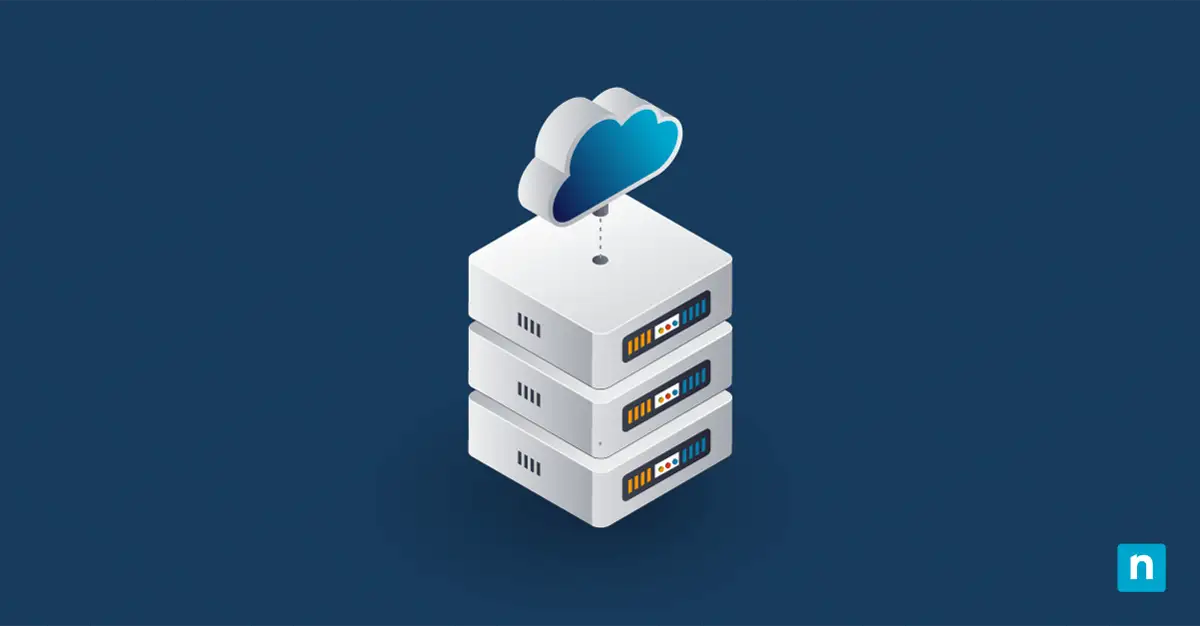
A private cloud is a cloud computing model where the infrastructure is dedicated to a single organization. It can be hosted on-premises at the company’s data center or off-premises at a third-party facility managed by a private cloud service provider.
Organizations go for private cloud solutions when their priorities align with the specialized features that private cloud infrastructure offers:
- Government agencies: To maintain high levels of data sovereignty and security.
- Financial institutions: Meet regulatory adherence and secure transaction processing.
- Healthcare providers: For HIPAA compliance and protection of sensitive patient data.
If your organization is also considering private cloud adoption, here are the key factors that often signal a good fit:
Consistent performance
Dedicated resources ensure reliable performance, making the private cloud model ideal for applications that require stable and predictable operation. This is opposed to a public cloud environment, where shared resources can impact performance.
Direct control over infrastructure and data
Private cloud gives businesses full authority over their environment. This level of control is essential for managing sensitive data or specialized applications without the limitations often found in public cloud environments.
Custom governance policies
Organizations can enforce strict change management and access controls, which are essential for industries (for example, healthcare, finance, government) with rigorous regulatory or internal policy demands.
For businesses prioritizing security and predictability, these trade-offs should be easily justified.
Common reasons private cloud initiatives fail
Organizations often face challenges when adopting private cloud solutions due to misaligned expectations and inadequate planning. Here are some key reasons why private cloud initiatives may fail:
- Assuming private cloud offers the same flexibility and cost efficiency as public cloud.
- Overlooking ongoing expenses for operational management, training and staffing, and infrastructure maintenance.
- Lacking defined processes for managing resources, security, and compliance.
- Weak backup and recovery policy increases the risk of data loss and disruptions.
To ensure successful private cloud adoption, organizations must set realistic expectations and thoroughly plan for governance strategies.
Unlike public cloud, private cloud environments scale more slowly. They also demand ongoing capital and operational investment, especially during transition, when training and additional infrastructure are needed for adoption and stabilization.
Choosing the optimal cloud infrastructure and strategy
Public cloud offers scalability and cost efficiency, but may lack the control and security needed for sensitive workloads. Meanwhile, private cloud provides dedicated infrastructure with greater control over data, security, and compliance, but requires significant investment and expertise to manage.
For complex environments, a hybrid cloud strategy combines the best of both models, allowing organizations to balance flexibility and control. It enables data and applications to move seamlessly between public and private environments, optimizing costs, compliance, and performance based on workload requirements.
Related topics: