Key Points
- RMON is a legacy network monitoring model that performs device-side traffic analysis. Understanding it helps interpret legacy network monitoring data.
- RMON extends SNMP through standardized monitoring data groups.
- RMON stores monitoring data locally on network devices.
- RMON uses fixed data models with limited metric granularity.
- Modern monitoring relies on streaming telemetry and APIs rather than RMON-based collection models.
- Network devices still expose RMON metrics for legacy compatibility.
Network monitoring has evolved a lot through the years due to changing network needs in terms of scale, speed, and complexity. Long before real-time telemetry streams and cloud-based observability platforms became the standard, IT teams relied on various mechanisms designed for more constrained environments. One of them is Remote Network Monitoring or RMON, which improves visibility while reducing constant polling demands placed on network devices.
Although RMON is no longer a primary monitoring strategy, its data models and concepts still appear in modern devices and legacy systems. Therefore, it’s crucial to understand how it fits into the broader monitoring landscape. Keep reading to learn how RMON works and what its role looks like in modern network monitoring.
What RMON provides
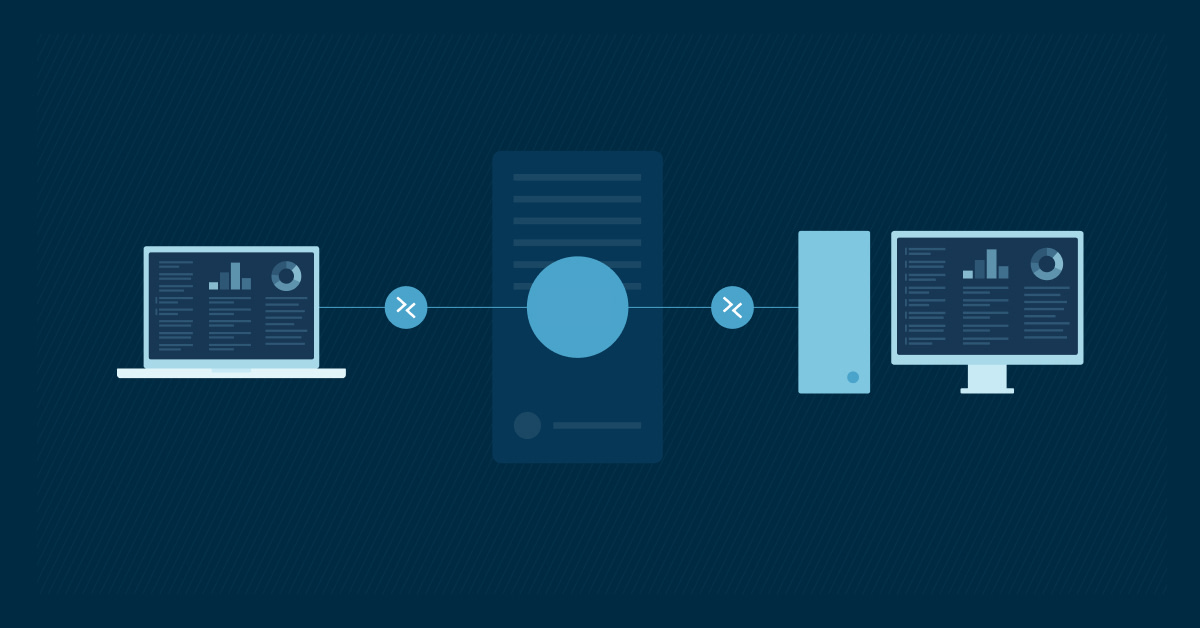
RMON gives network devices a more active role in monitoring by collecting and processing traffic locally rather than relying entirely on external management systems. This shifts a part of the monitoring workload onto the device, so it reduces polling, the repeated requesting of a monitoring system to a device for data, while still providing useful insight into network behavior. This model was particularly valuable in environments with limited bandwidth, processing capacity, or management scalability.
Some of its core capabilities include:
- Local collection of traffic statistics so devices measure utilization, errors, and packet activity directly at the source.
- Storage of historical usage data that supports trend analysis without constant external queries.
- Generation of events when thresholds are crossed, allowing devices to signal potential issues proactively.
How RMON works with SNMP
Simple Network Management Protocol (SNMP) is a long-established framework for managing network devices that uses structured data and request-response communication. RMON acts as an extension of SNMP by using standardized objects that allow devices to collect, store, and evaluate monitoring data locally rather than relying solely on external polling.
Below are some of its key characteristics:
- Monitoring data is collected and maintained locally on the device over defined intervals.
- Management systems request RMON data on demand instead of relying on continuous polling.
- Devices evaluate thresholds internally and generate alerts when conditions are met.
Common RMON data categories
RMON organizes information into data groups that specify what types of metrics a device can collect and expose. These groups standardize how data is structured and accessed, which makes RMON consistent but with limited flexibility.
Some common groups include:
- Statistics and history that track traffic levels, errors, and utilization over time
- Alarms and events that define thresholds and generate notifications when conditions are met
- Host-level and protocol-level statistics that provide visibility into traffic sources and protocol usage
Where RMON typically appears today
Although network administrators no longer rely on RMON as a primary monitoring approach, it’s still present in modern networks as a supplemental source of visibility. It most commonly appears in environments where newer monitoring methods are unavailable or must coexist with legacy designs.
Here are some common scenarios:
- Switches and routers exposing RMON counters with standard SNMP interface metrics
- Legacy network management systems that continue to depend on RMON data groups
- Environments where reducing polling overhead is a priority
- Devices with limited or no support for streaming telemetry or modern APIs
Limitations that led to RMON’s decline
RMON was designed for networks with far lower speeds and complexity than those used today, and its architecture reflects those original constraints. As the network grew faster, larger, and more dynamic, these limitations became more difficult to work around, which reduced RMON’s effectiveness as a primary monitoring approach.
Its key limitations are as follows:
- Fixed data models that are difficult to adapt or extend to new metrics
- Limited data granularity when compared to modern telemetry systems
- Increased device CPU and memory usage as monitored traffic volumes grow
- Lack of real-time streaming capabilities
RMON versus modern monitoring approaches
RMON reflects an earlier monitoring model that emphasized device-side data collection and predefined structures to reduce management overhead. It was effective at the time of creation, but this approach no longer works with modern systems that prioritize flexibility, scale, and real-time visibility in monitoring.
RMON characteristics include:
- Local data storage and on-device evaluation of thresholds and conditions
- Predefined and relatively rigid data sets that change slowly over time
- Limited flexibility for introducing new or custom metrics
On the other hand, modern monitoring approaches typically:
- Use streaming telemetry or APIs instead of periodic polling
- Provide higher-resolution data with near real-time updates
- Scale more efficiently across large and highly dynamic environments
Why RMON still matters
Even though RMON has mostly been replaced today, it’s still relevant for understanding network data in mixed or legacy environments. Its remaining presence in devices and management systems means teams will still encounter RMON-driven metrics in day-to-day operations.
RMON still matters because:
- Many network devices still expose RMON metrics by default.
- Legacy environments still rely on RMON data for visibility and alerting.
- Core RMON concepts influenced the design of later monitoring technologies.
Additional considerations
RMON can still provide helpful context, but it’s important to understand its practical limitations and how those limitations affect data interpretation. In most environments, RMON should be treated as a supporting data source, not a complete monitoring solution.
Consider the following points:
- RMON offers less detailed visibility than what modern telemetry systems provide.
- The accuracy and reliability of RMON data can be affected by device CPU and memory constraints.
- Support for specific RMON groups differs across vendors and hardware platforms.
- RMON is almost never deployed as the only source of network monitoring today.
Addressing typical RMON-related issues
When working with RMON data, technicians may still encounter inconsistencies and gaps due to device limitations, configuration differences, or vendor-specific behavior. Reviewing these issues systematically should help prevent misinterpretation and reduce false conclusions.
Unexpected RMON values
Check polling intervals and confirm the device has sufficient CPU and memory, as resource pressure can skew reported data.
Missing metrics
Not all vendors implement the full RMON specification, so it’s useful to verify which RMON groups the device actually supports.
Conflicting data
Compare RMON statistics with standard interface counters to determine whether differences stem from sampling methods or reporting delays.
Alert mismatches
Review threshold settings and alarm logic to ensure alerts align with expected behavior and current network conditions.
What RMON teaches us about network monitoring evolution
RMON represents an important step in network monitoring evolution, shifting some monitoring responsibility to network devices and reducing reliance on constant polling. Although it’s less suited for modern environments, RMON concepts still show up today in legacy systems and device-reported metrics. By fully understanding RMON and its place in monitoring, tech teams can accurately interpret older metrics and use them properly alongside modern tools.
Related topics: