Key Points
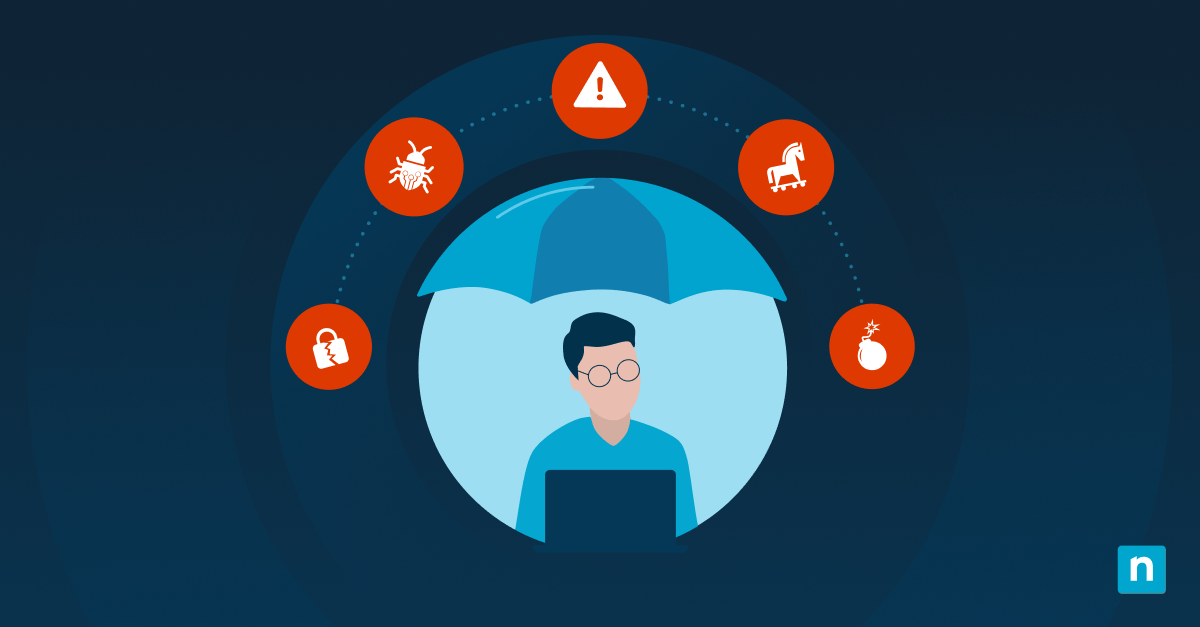
- Open source software (OSS) risks come from poor visibility and dependency tracking: Not knowing which components you’re running and their dependencies can lead to blind spots, which can increase security risks.
- Unpatched CVEs in OSS components can escalate fast: The longer it takes you to remediate a vulnerability, the wider your attack surface becomes.
- Software supply chain attacks target OSS ecosystems: Malicious packages, compromised maintainer accounts, and fake repositories can easily slip into environments with no source validation.
- Compliance audits require documented OSS inventories and patch management: Not tracking your open source components and lifecycle processes can result in audit-readiness gaps.
- Ownership and accountability are the keys to strong OSS risk management. When there’s clear ownership for patching, monitoring security advisories, and EOL management, reducing OSS risks becomes easier.
Open source software (OSS) has become a staple in modern IT environments. It powers nearly all the enterprise technologies that modern businesses use in their operations, from DevOps tools to cloud-native applications.
What makes open source components great is that they help teams build faster by giving them frameworks that they can build on rather than starting from scratch. These frameworks have been tested and validated by global developer communities, which makes them the perfect foundation for rapid innovation.
The only catch is that once a team starts using open source components, they’ll have to be responsible for the patching, monitoring, and maintenance of those components themselves.
This shift in responsibility is where most companies fail. With no one tracking open source components, gaps start to surface in different areas.
This guide explores how poor governance creates operational and security risks in open source software and what causes them.
What makes open source software risky
A lot of people think that commercial software is safer than OSS, but open source components aren’t inherently risky. Most widely used projects are actually safer because they undergo continuous peer review from large developer communities.
The problem starts when the organization that adopted the code doesn’t know how to manage them properly.
Security risks in open source software start to emerge when:
- Different teams start reusing the same code without tracking it.
- Dependencies are added indirectly using other tools or applications.
- There’s no clear ownership assigned for updates and lifecycle management.
These gaps may seem small, but they can quickly become high-risk vulnerabilities if left unresolved for a long period of time.
To make things worse, they could also affect an organization’s daily operations. For example, when teams use versions of the same library without coordinating with one another, configurations start to drift across environments. Once this happens, troubleshooting will take longer since there’s no clean baseline.
And then there’s the matter of compliance. Most regulatory frameworks require companies to have accurate software inventories and a well-documented management process.
If an organization doesn’t have any idea of the open source components present in their environments, or which version they’re using, they’ll have a harder time answering even the most basic audit questions.
Simply put, open source software only becomes a liability when you treat it as code that runs quietly in the background and not as a dynamic asset that needs ongoing maintenance.
How open source risks start
Open source security risks are rarely caused by a single problem; they’re often the result of multiple issues that compound over time. The most common ones include:
Dependency and visibility gaps
Risk typically starts the moment an organization loses track of what it’s running. A lot of organizations have trouble identifying all the open source components they’re using and tracking their dependencies.
Most modern applications contain dozens to hundreds of dependencies, many of which came from third-party tools and frameworks. These unknown dependencies create blind spots, which is why they need to be tracked.
There are also teams that struggle with determining which projects are being actively maintained. When it’s unclear which components are still supported and which aren’t, organizations end up running outdated or abandoned software unknowingly.
Patch and maintenance issues
Patching open source software isn’t easy since most projects have different update schedules. Some regularly publish patches, while others do it occasionally. There are even projects that have simply stopped releasing patches altogether.
This means that unless an organization takes the initiative to actively monitor the components they’re using, most of them will sit unpatched and vulnerable in the background. And the longer these projects are left unattended, the bigger the risk they become.
Security vulnerabilities and exploitability
Transparency is one of the biggest strengths of open source software. Every vulnerability is disclosed, documented, and tracked using Common Vulnerabilities and Exposures (CVE) lists and advisories. But developers aren’t the only ones who monitor these weaknesses; attackers keep an eye on them too.
According to VulnCheck’s Q1 2025 report in Vulnerability Exploitation, 28.3% of known exploited vulnerabilities had active exploit code surfaced a day after their CVE announcement. Delays between disclosure and remediation also give attackers more opportunity to exploit these vulnerabilities. Mandiant data shows that the average time-to-exploit in 2025 was zero, or even negative.
This is why organizations should have a structured response process for CVE advisories that will help them take immediate action.
Supply chain and integrity concerns
Since the majority of open source ecosystems rely on distributed trust, anyone can contribute code, publish packages, and maintain projects. This includes attackers.
There are plenty of ways attackers can compromise upstream components, but the most common strategies they use include:
- Using compromised maintainer accounts to publish malicious updates
- Inserting malicious code contributions into legitimate projects
- Tricking systems into downloading fake internal packages in public repositories
- Creating packages with names similar to those available in popular libraries
These strategies work because most organizations assume that popular packages are safe, when in reality, they still need to verify their sources and validate checksums before they can use them.
Best practices for open source risk management
Realistically speaking, it’s almost impossible to eliminate all the vulnerabilities that come with open source software. The ecosystem is simply too large and too dynamic to control fully.
The primary goal of open source risk management is to reduce exposure and improve response times. Here are a few best practices you can follow for managing open source risks:
- Keep a living inventory of all open source components: Make sure that your team knows every open source component that’s in your environment, including the versions and the dependencies associated with them.
- Actively monitor vulnerability disclosures: Anyone can access open source advisories and CVEs, but they’re not going to notify you if something will affect your systems. You need to have a designated team member who will track CVEs and determine which of them affects your system.
- Assign clear ownership for patch management and lifecycle planning: Each component in your environment should have a designated owner who will review, test, and deploy patch updates.
- Establish clear patch timelines: Define internal SLAs based on the severity and risk level of vulnerabilities.
- Plan for end-of-life ahead of time: Identify which projects are no longer actively maintained and create migration plans before they become a major liability to your organization.
With the right guardrails in place, your team can reap the benefits of open source components without the fear of compromise slowing them down.
Taking better control of open source software risks
Open source software has drastically changed the way organizations build and scale technologies. It has given them the ability to accelerate product development and reduce the cost of building new infrastructure.
But these benefits come at the cost of accountability. With no vendors to help you monitor and maintain these components, you’ll have to learn to track, update, and secure them yourself.
When OSS is governed with intention, it stays as a powerful driver of innovation.
Related topics: