Key Points
- Cloud-based network management centralizes configuration, monitoring, and policy in the cloud while keeping data traffic local.
- Cloud-managed networking simplifies operations for distributed and remote environments.
- Cloud management improves scalability and reduces maintenance, while on-prem solutions offer greater local control and independence from external services.
- Security and compliance remain shared responsibilities in cloud-managed networks.
- Reliable connectivity and local fail-safe behavior are essential for cloud-based network management.
- Choosing the right cloud network management platform requires planning for vendor support, outages, and long-term maintainability.
On-premise network management relies on hardware that physically has to be in your office, local configuration tools, and site-specific visibility. As you scale your business and your networks become more distributed, this becomes harder and harder to deal with.
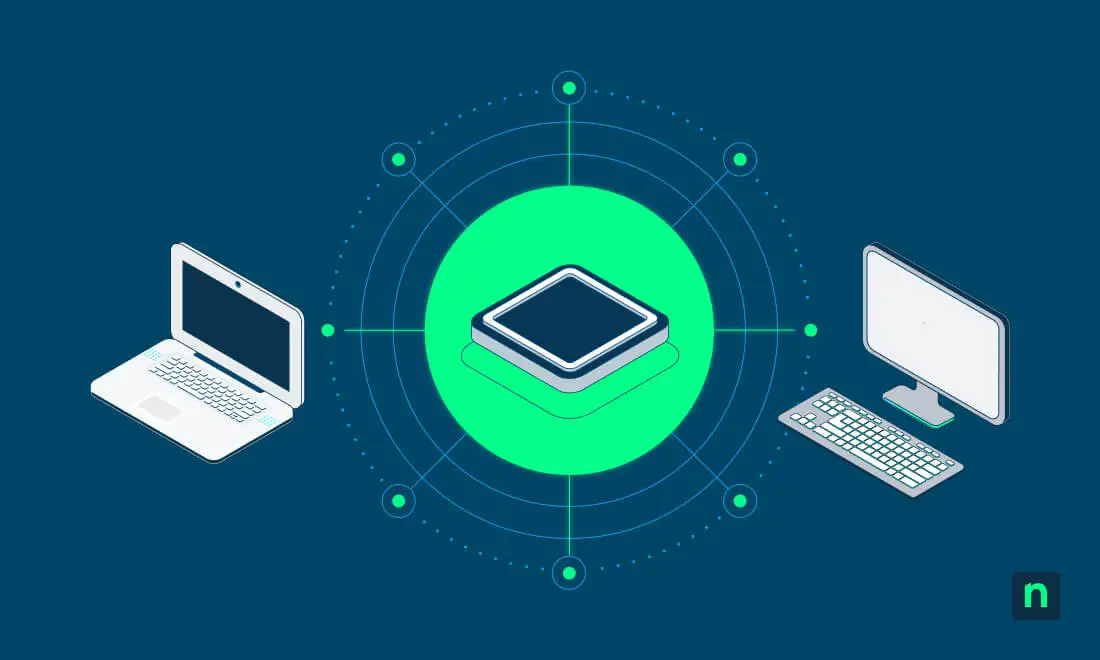
Cloud-based network management will shift the control and monitoring layer to a cloud platform. Devices in your network will continue to forward traffic locally, but the configuration, telemetry, and policy will be handled through a centralized cloud service.
What is cloud-based network management?
Monitoring, configuring, and optimizing your organization’s network infrastructure through a cloud-hosted platform is the heart of cloud-based network management. Instead of relying on on-premise hardware, the MSP will work with centralized, web-based tools to manage their network, oversee their devices, and perform other IT tasks.
Best practices to make the most out of your network management cloud platform
📌Prerequisites:
- You need to already have a strong familiarity with basic network management concepts.
- You need to understand how centralized versus distributed control works.
- You need to know different cloud-based service delivery models that you may use for your organization.
Have a strong understanding of your organization’s cloud-managed architecture
There are many benefits to using cloud-based management services. It streamlines MSP workflows and makes them more efficient. Besides that, cloud-based platforms allow you to:
- Connect your devices to a cloud-control plane.
- Apply configurations and policy through a centralized platform.
- Automatically send your devices’ telemetry and logs to the IT cloud services.
Taking advantage of these benefits removes the need for local management servers. It makes things easier for MSPs and allows them to focus on more important and immediate tasks.
Compare cloud-based and on-prem management models
There are pros and cons to using cloud-based or on-premise management models. See the comparison between them.
Cloud-based management models:
- It will give you a centralized platform, but you’ll be reliant on external services.
- It can simplify operations, especially if you operate multiple sites and offices or offer remote work to your employees.
- Maintenance and upgrades will be the provider’s responsibility, which means you don’t have to retain staff for that, but this model will give you less control over the service uptime.
On-premise management models:
- It requires local infrastructure, but makes you less reliant on external services.
- It may not scale as well compared to cloud services.
- It will be more practical if you have an IT expert on staff to perform manual upgrades and maintenance.
Both models will work best in different scenarios. Analyze your organization’s current situation and see which will fit your needs more.
Identify where cloud-based management works best
Cloud-managed networking isn’t for every organization. You need to take your own situation into account to see if this is the solution that works best for you.
In general, cloud-based services work best if you need:
- Distributed branch networks
- Remote and hybrid work environments
- Organizations with limited on-site IT staff
However, this kind of network management model will be less ideal if you need:
- Isolated or air-gapped networks
- Environments with strict local control requirements
Understand security and compliance implications
Another thing to take into account is security and compliance. If you need certifications from government bodies like HIPAA or the GDPR, this is especially important. Using cloud-managed networks will give you:
- A centralized access control
- Encrypted management channels
- Provider responsibility for control-plane security
However, it may also introduce some unexpected security risks. Before committing to a cloud-based service, you still need to evaluate data residency, access logging, and compliance requirements. This can ensure that you remain compliant and keep your organization ready for audits and certifications.
Plan for connectivity dependencies
Because you’ll be working with a cloud-based network, you’re going to need access to the Internet to access it. Because of this, if you plan to use it, you’re going to need:
- Reliable internet connectivity
- Local fail-safe behavior on devices
- Graceful degradation if cloud access is interrupted
You need to have failsafes in place. Your workflows should not be interrupted even if your Internet connection is. Plan for this accordingly to ensure that your tasks and goals won’t experience any disruptions.
Additional things to consider when choosing a network management cloud platform
- Device firmware and feature support will vary. Not all cloud-managed services may work with your devices. Consider this when choosing a provider.
- Consider vendor lock-in before committing to a contract. This may affect your ability to scale your business.
- Control-plane outages differ from data-plane outages. You need to have a backup plan for both scenarios.
- Documentation and change management are critical. Keep your logs for repeatability and troubleshooting.
Troubleshooting scenarios and solutions for managing cloud-based network management
Problem | Solution |
| Your devices appear offline in your cloud platform. | Verify outbound connectivity to your cloud control plane. |
| There are delays in implementing policies. | Check the sync intervals and device status. |
| You’re experiencing limited visibility. | Confirm your telemetry settings and permissions. |
| You’re experiencing compliance concerns. | Review your data handling and access controls. |
Improve your network management through cloud-based services
Cloud-based network management will change how your organization’s networks work. It will centralize control into one system while leaving traffic local. Understanding this model helps IT teams decide when cloud-managed networking aligns with their scale, staffing, and operational goals.
Related Articles:
- How to Take Over a Messy Windows Fleet and Stabilize Network Access in 30 Days
- 6 Network Monitoring Best Practices
- Complete Guide: Exploring Network Performance Management
- How to Build and Operate Network Documentation That Stays Current
- How to Take Over a Messy Windows Fleet and Stabilize Network Access in 30 Days
Quick-Start Guide
Cloud-Based Network Management in NinjaOne
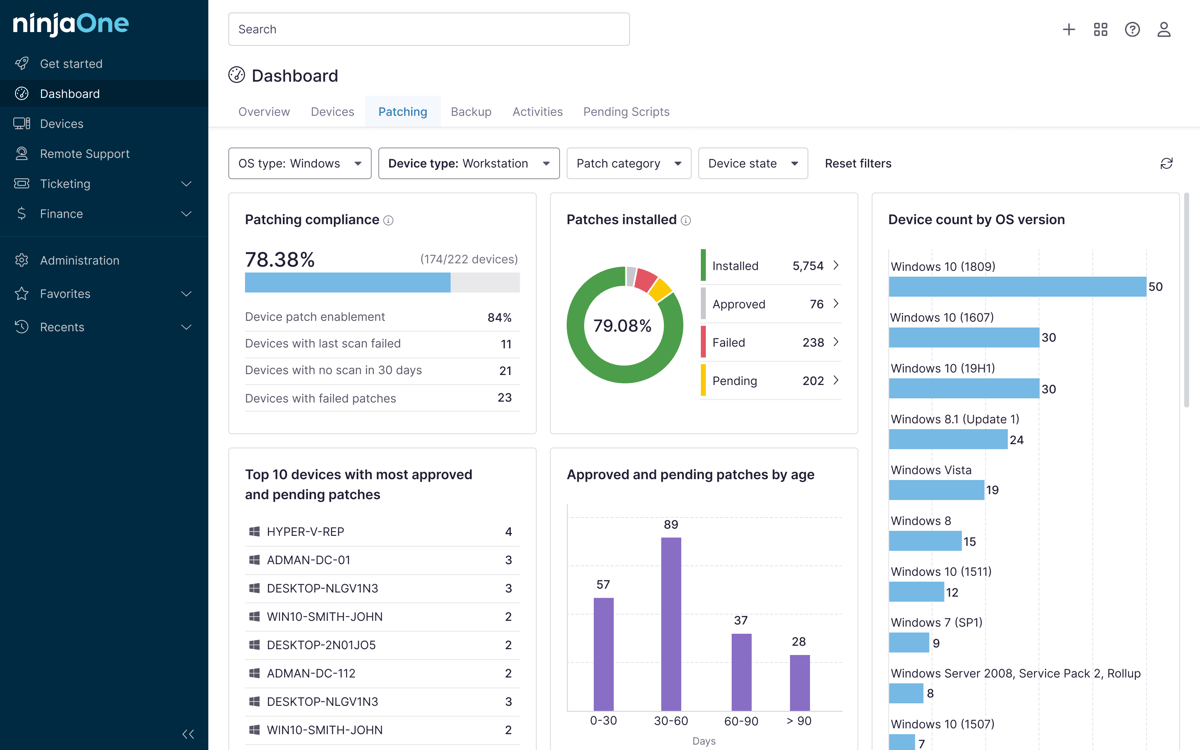
NinjaOne offers Network Management Software (NMS), a cloud-based solution for monitoring and managing devices on your network. Here’s how it transforms operations:
Key Features:
– Device Monitoring: Track devices like routers, switches, firewalls, and printers via SNMP.
– Custom SNMP Support: Add custom OIDs for specialized monitoring.
– Network Discovery: Perform discovery directly from the NinjaOne console.
– Configuration Backup: Supported for HP and Cisco devices.
– Traffic Monitoring: Supports NetFlow, jFlow, sFlow, and IPFIX protocols.
Benefits:
– Centralized Management: All network devices can be managed through a single platform.
– Real-Time Alerts: Get proactive alerts based on device health and performance.
– Automated Workflows: Launch automated tasks for troubleshooting and remediation.
– Scalable: Manage endpoints at scale and eliminate common security vulnerabilities.
NinjaOne’s NMS helps streamline network operations by providing visibility, automation, and centralized control over your entire network infrastructure.
For more details, you can explore the NMS and Network Discovery Resource Catalogue.