Nearly all modern IT environments rely on web access to effectively run cloud services, remote work, and managed devices. To control and secure web traffic, organizations use a web proxy server to centrally manage how their environment interacts with external web resources. Understanding the role web proxies play in your environment helps you make informed network and security decisions.
What is the purpose of a web proxy server?
When you attempt to reach a web or cloud computing service, whether via browser or application, the request doesn’t directly interact with the internet. Instead, it goes to a proxy server that evaluates whether the request should push through, blocking access to blocked domains and websites.
If a request meets requirements, the proxy forwards it to the intended service. When the destination responds, the traffic returns to the proxy, which inspects or logs the response before delivering it to the user.
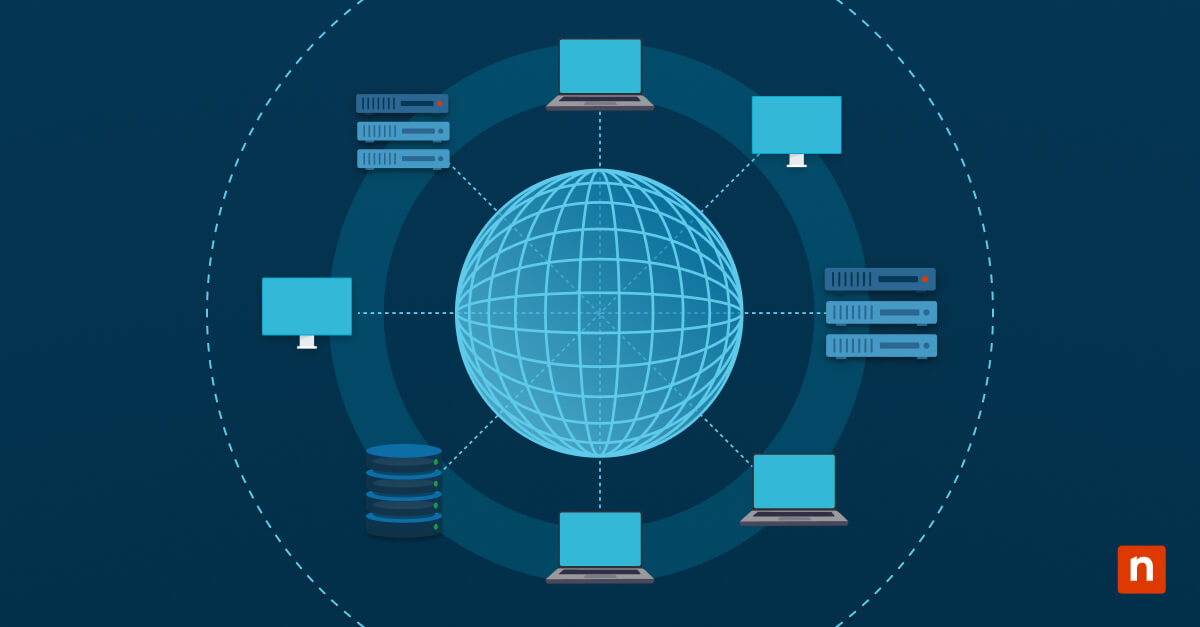
Simply put, web proxies act as an intermediary between outbound and returning traffic, preventing risky direct internet communication. Proxies offer structured access control, improved oversight, and greater visibility on how web resources are used across an environment.
Common types of web proxies in network security
The original role of web proxies was to speed up internet content access through proxy caching. This technique stores copies of frequently requested content so subsequent requests can be served locally, improving performance and conserving bandwidth usage. However, as organizations shifted toward the use of cloud services and distributed workforces, performance optimization alone became insufficient.
Forward proxies
In a forward proxy setup, user devices are configured to send outbound traffic to the proxy before reaching the internet. The proxy evaluates outbound requests against policies, permitting approved requests and blocking those that violate security controls.
Since all web requests pass through a checkpoint, administrators have deliberate control over outbound traffic. That said, forward proxies help restrict access to unwanted or risky websites, reducing exposure to potentially malicious or compromised destinations.
Transparent proxies
Similar to forward proxies, transparent proxies perform similar inspection and enforcement operations, but they don’t require explicit configuration on the client device. Instead, it redirects traffic at the network level, routing traffic through the proxy automatically for broader enforcement.
This proxy type allows administrators to centralize control in guest networks, shared systems, or unmanaged devices. Transparent proxies prioritize coverage, helping ensure acceptable use-cases across connected devices.
Identity-aware proxies
Identity-aware proxies link web activity to user identity rather than just device IP addresses. They integrate with directory services to identify who is making a request before applying a policy.
This allows organizations to enforce role-based access controls (RBAC), an approach that aligns with zero-trust architectures. On top of that, it also improves auditability by associating activity with authenticated users, strengthening compliance reporting.
Web server proxies and their impact on security posture
Web proxies reduce direct internet communication by routing outbound traffic through a centralized control point instead of allowing unmanaged internet connectivity. This limits an environment’s attack surface, ensuring that all connections follow a defined security and access path.
By evaluating requests before they leave the network, proxies can also block access to restricted content while inspecting traffic for potential threats. Because all activity passes through a centralized point, organizations get consistent logs that support effective visibility, governance, and remediation workflows.
Modern proxies often integrate identity and access context, including:
- User authentication: Links web activities to verified identities.
- Device context: Evaluates whether the connecting system is managed, compliant, or trusted.
- RBAC decisions: Applies different web policies based on job function or permissions.
Web activity monitoring enforces access rules before connections are established between a client and the internet, serving as a preventive control. On the other hand, user identity integrations in web proxies provide better insight into who is accessing what. Together, they strengthen an environment’s security posture and visibility.
Operational considerations and limitations of web server proxies
Clear and current policy definitions help proxies enforce web access according to business requirements and risk tolerance. That enforcement must align with identity and device management systems so access decisions reference accurate user roles and device status.
Although proxies are great in preventing unauthorized web access, they shouldn’t be treated as a substitute for dedicated security solutions. Instead, web proxies should support broader security and access controls, such as endpoint protection or network monitoring and management tools.
When properly integrated and maintained, proxies strengthen preventative controls and visibility. However, misconfigurations and neglect can introduce unnecessary friction, disrupt critical workflows, or create blind spots where risky activity goes unchecked.
Manage web proxies centrally and at scale with NinjaOne
NinjaOne Network Monitoring & Management (NMS) offers centralized control and visibility over proxy usage, helping ensure consistent enforcement and visibility across all managed endpoints.
- Endpoint configuration management: Maintain proxy settings across devices through script or policy-based deployments, helping ensure endpoints route traffic only through approved proxy infrastructure.
- Device visibility: Gain context-rich insight into device status, roles, and compliance posture, which can help correlate proxy usage with endpoint health and configuration state.
- Policy alignment support: Align proxy configurations with broader endpoint management policies to ensure devices follow defined proxy servers and authentication control baselines.
- Monitoring and alerting: Track configuration-level changes to managed systems and receive real-time alerts when proxy-related settings change or drift from expected baselines.
- Script-based automation: Use scripts to automate proxy configurations and remediations centrally and at scale.
Web proxy servers as a preventive layer in IT environments
Web proxies strengthen governance by centralizing web traffic enforcement across users, devices, and locations. For modern IT environments, this consistent control point improves visibility while reducing risky internet activity.
By integrating with identity and device management systems, proxies enable context-aware access decisions. When thoughtfully designed and governed, they help organizations manage risk while supporting flexible and scalable access models.
Related topics: