Key Points
- Add license reclamation to your offboarding process so every departing user’s license is recovered or reassigned.
- Use the Google Workspace Admin Console for manual license work and tracking in smaller setups.
- Automate license reassignment at scale using GAM scripts, Google Admin SDK, or PSA integrations.
- Maintain a centralized license pool to improve visibility, speed up onboarding, and reduce unused subscriptions.
- Document and report reclaimed licenses during QBRs to show savings, transparency, and governance value.
- Use NinjaOne to automate checklists, ticketing, and reporting for consistent Google Workspace license management.
Google Workspace licenses are a recurring cost. When users leave, and licenses aren’t reclaimed, Managed Service Providers (MSPs) risk wasting money and losing client trust. Integrating license reassignment into the offboarding process helps reclaim licenses on time, reduces unnecessary spend, and shows clients that their SaaS resources are managed responsibly.
This guide walks you through efficient management of Google Workspace license assignment for consistent application across all clients.
Steps to streamline Google Workspace license reassignment
Ensure you have everything in place before proceeding with license reassignment.
📌 General prerequisites:
- Access to the Google Workspace Admin Console
- A defined offboarding checklist for client users
- Awareness of client-specific licensing tiers and allocations
Optional: Automation tools (e.g., GAM, API integrations) for larger environments
Step 1: Incorporate license reassignment into offboarding policies
Start by making license reassignment part of your standard offboarding process. This ensures no departing account is missed and no paid license stays unused.
Actions:
- Add “license reclamation” to your offboarding checklist. Make it clear that every departing user’s Workspace license is reclaimed and reassigned once their data has been archived or transferred.
- Coordinate account deactivation, data archiving, and license removal. These actions should be taken together to prevent data loss or security gaps.
For example:
- Suspend the user account.
- Transfer the Drive ownership to a manager.
- Remove the license from the suspended account.
- Share your standardized offboarding policy with client stakeholders. Talk to HR, department heads, and decision-makers, so they know:
- When does license reclamation happen?
- Who initiates the process?
- How are licenses managed?
- What reports or confirmations will they receive?
A defined offboarding policy keeps everyone aligned and prevents wasted spend on inactive licenses.
Step 2: Manual reassignment through Admin Console
Before you move to automation, learn how to manage license reassignments manually. The Google Workspace Admin Console offers a direct way to remove, reassign, or pool licenses with full control.
📌 Prerequisite: Admin access to the Google Workspace Admin Console.
Actions:
- Log in to the Admin Console with super admin privileges.
- Go to Directory > Users and locate the departing user’s account.
- Navigate to Billing > Subscriptions > Assign or Remove Licenses.
- Remove the assigned Google Workspace license from the user’s account.
- You can now do one of two things:
- Assign the freed license to a new user.
- Leave it unassigned in the available pool for future use.
- Record the reassignment in your tracking or documentation system to maintain visibility.
Manual reassignment works best for small-scale setups. It keeps the process simple and provides direct oversight of each license, setting a solid base for automation as your client environment grows.
Step 3: Automate at scale (optional)
For MSPs managing large client environments, manual license management becomes unsustainable. Automation speeds up reassignment, reduces errors, and responds to offboarding events in real-time. It’s optional for small clients but essential for large operations.
📌 Prerequisites:
- Admin access to Google Workspace
- API credentials
- Familiarity with tools like GAM, Google Admin SDK, or third-party platforms
Actions:
- Use the Google Workspace Licensing API or GAM scripts to detect suspended or deleted accounts and automatically remove associated licenses.
Example:
gam print users suspended | gam csv – gam user “~primaryEmail” delete license Google-Apps
- Connect your scripts to tools such as Zendesk, Jira, or ServiceNow. Trigger license removal or reassignment when an offboarding ticket reaches completion.
- Sync automation scripts with your tracking sheet or PSA dashboard so every revoked license is logged as “available” for future use.
- Review your scripts quarterly to ensure they remain aligned with Workspace updates and client policies. Fix errors promptly and log all actions taken.
Step 4: License pooling and centralized tracking
Once offboarding and manual reassignment are set, build a central pool for unused licenses. This improves onboarding speed, cost control, and visibility across clients.
📌 Prerequisite: A license tracking sheet, PSA module, or SaaS management tool.
Actions:
- Maintain a centralized pool of unused licenses.
- When a user is offboarded and their license is removed, add that license to a shared pool tracked across clients or departments. Use a NinjaOne dashboard, a Google Sheet, or a PSA platform.
- Assign licenses from this pool during the onboarding process.
- When a new user joins, check the pool first. Assign from the pool before purchasing additional licenses to avoid spending extra.
- Periodically audit the pool for accuracy.
- Review your pool monthly or quarterly. Confirm that every license marked “available” is unassigned. Cross-check billing reports and usage logs to prevent duplication or missed entries.
- Use dashboards or scripts to simplify tracking.
- Smaller MSPs can rely on spreadsheets with filters such as Client, License Type, Status, and Reassigned Date.
- Larger setups can use APIs or SaaS management tools to pull real-time license data and automate updates.
Step 5: Document and report to clients
Document and report your license management efforts to keep clients informed and confident in your process. Regular reports help clients see the results of your management and strengthen your position as a strategic partner.
Actions:
- Provide regular reporting on reclaimed and reassigned licenses. Summarize how many licenses were freed, reassigned, or newly added.
Include metrics such as:
- Number of licenses reclaimed
- Number of licenses reassigned
- Total licenses in use vs. available
- Calculate and present the amount the client saved by reusing licenses instead of purchasing new ones.
Example: “Reclaimed 12 licenses this quarter, saving $1,200.”
- Present these insights in Quarterly Business Reviews (QBRs) or Service Level Agreement (SLA) reviews. Use these sessions to show the value of your service and point out areas where they can further optimize.
Clear reporting closes the loop. It shows clients what you’ve delivered, how much they’ve saved, and why your management process matters.
How to verify license changes
Take a few minutes to double-check your work once everything’s done. Make sure every license is accounted for, and nothing has been missed.
Actions:
- Go through your license list after offboarding and confirm that each one is either reassigned or marked as available.
- Review activity for accounts that received reclaimed licenses and flag any that show no use.
- Check your logs for missed steps or irregularities and keep a copy for recordkeeping.
Additional considerations
Before finalizing your license reassignment process, review a few key factors that can impact compliance, scalability, and data safety.
Compliance requirements
Some industries require proof that departing user accounts are deactivated and licenses are reassigned within a set timeframe. Keep records and audit trails readily available for review or audit.
Scalability limits
Manual license management works for smaller clients but doesn’t scale well across multiple tenants. Plan early for automation or centralized management as your client base grows.
Data retention alignment
Coordinate license reassignment with your backup policies to avoid data loss. Never remove a license until you confirm the user’s data has been archived or transferred.
💡 Also read: How to Backup Google Workspace Drive
Troubleshooting
Even with a solid process, a few common issues can slow down license management. Here’s how to identify and address common issues before they become problems.
Licenses left idle
Add automated reminders or set license checks in your PSA or RMM system. If a license stays unused for too long, flag it and review why it wasn’t reassigned.
Confusion over tiers
Standardize the license types you manage for each client. Maintain a list of approved tiers to facilitate reassignment and prevent mismatched subscriptions.
Overlapping responsibilities
Clarify who owns license reclamation. Is it your team or the client’s? Make sure roles are defined to avoid missed steps.
NinjaOne integration
NinjaOne can simplify and automate much of the license reassignment process. Integrating it into your workflow helps you stay consistent, save time, and keep full visibility across clients.
| NinjaOne feature | How it supports license reassignment |
| Checklists | Automate offboarding workflows. Add license reclamation steps to ensure licenses are removed when accounts are deactivated. |
| Documentation | Store your SOPs and license policies in NinjaOne’s documentation system so your team can follow a single, consistent process. |
| Ticketing | Automatically create tickets for license reassignment when a user deactivation occurs. Each action is logged, tracked, and verified. |
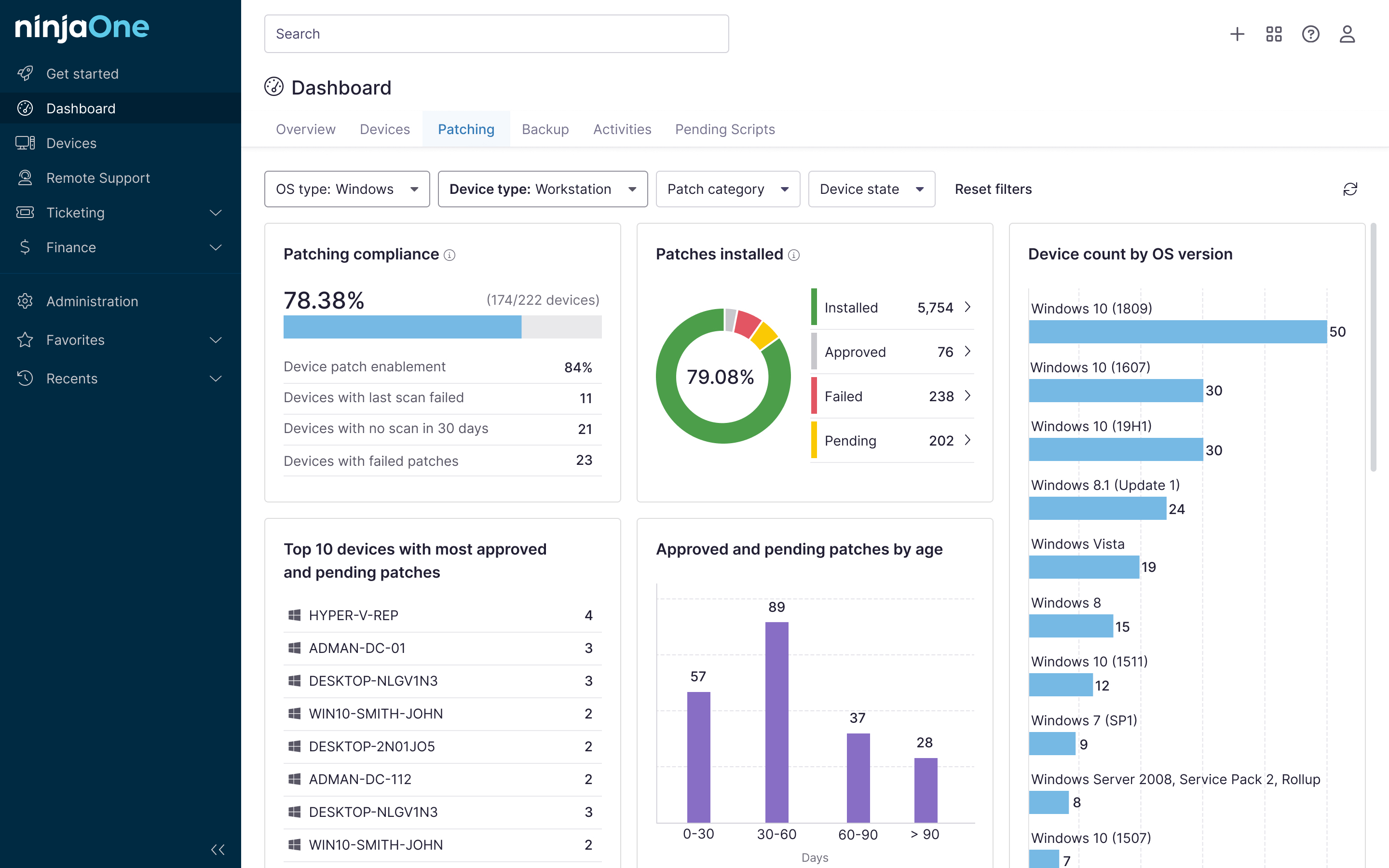
| Reporting | Use built-in reporting to track reclaimed and active licenses, identify idle ones, and share the results with clients during reviews. |
Streamline Google Workspace license reassignment for scalable management
Streamlining Google Workspace license reassignment helps you cut waste, stay compliant, and show clear value to clients. When you incorporate it into your offboarding process and apply scalable methods, you strengthen control, maintain transparency, and build client trust.
Related topics: