Key Points
- Internet filtering protects students by reducing exposure to harmful content and unsafe online material.
- Schools use internet filtering to meet regulatory requirements for data protection and controlled content access.
- Effective filtering applies device-level control to cover both on-campus and off-campus device use.
- Administrators rely on filtering systems for visibility and reporting to help track usage and support audit requirements.
- Schools align internet filtering with broader IT governance and security policies to enforce consistent standards across environments.
Unlike before, when classrooms mostly used paper and pen, many schools around the world now rely on the internet. UNESCO has noted that technology is now widely used to support teaching and learning. The organization also reported that about 85% of countries have policies to improve school or learner connectivity, while 38% have laws supporting universal internet access.
While digital technology is improving education in many ways, it also comes with downsides. Greater internet access can expose students to inappropriate content or cyber threats. Because of this, internet filtering has become one of the key solutions schools use to address these risks. This guide covers how internet filtering software for schools supports student safety and compliance in schools.
What are internet filters?
Internet filters, also known as web filters, are software or cloud-based solutions designed to control what users can access online. In schools, they are used to monitor online traffic and determine which websites, apps, content, and online services students can or cannot access based on predefined policies.
There are different kinds of internet filtering:
- DNS filtering: Blocks requests to unwanted or restricted websites.
- Content filters: Control access based on the content of a webpage.
For example:
- Keyword filtering: Blocks pages that contain certain words or phrases.
- Context-aware analysis: Uses heuristics or machine learning to detect and block inappropriate material.
- Browser-based filters: Block specific websites or types of content directly within web browsers.
- Web proxy: Routes internet traffic through a server that checks and filters content before it reaches users.
Internet filtering now plays an important role in many educational institutions. It serves as a line of defense against the growing range of online threats that could put students’ safety at risk.
Why schools need structured internet filtering
The internet supports education in many ways. But when it isn’t properly managed, it can also create challenges for schools.
Students regularly access school-managed devices on and off campus
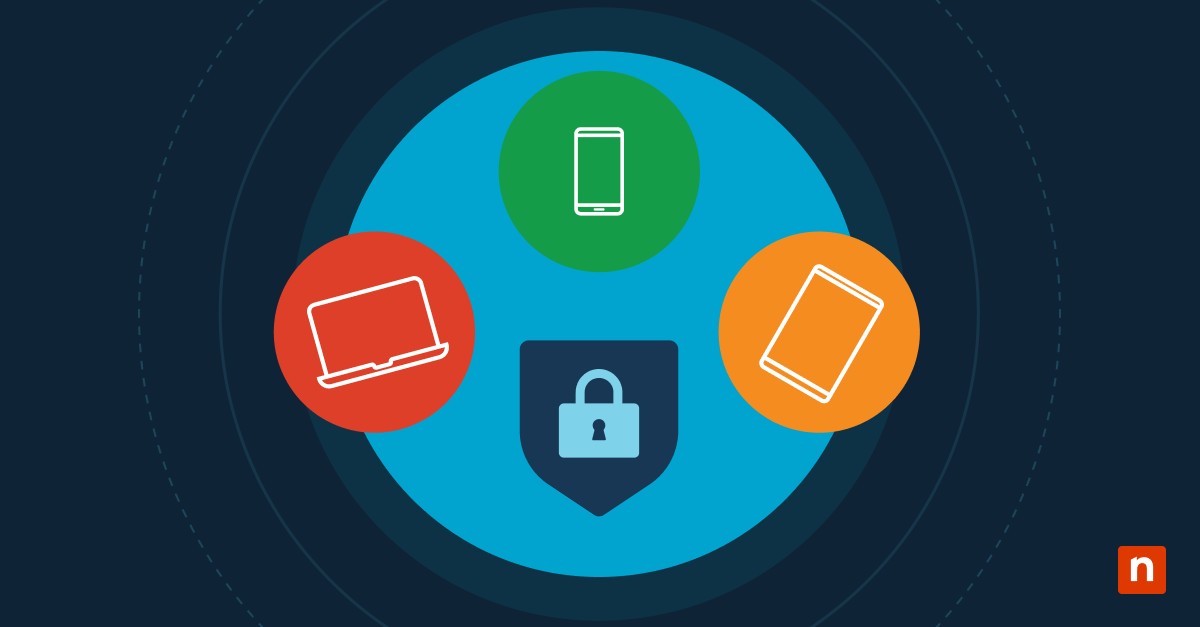
Schools often issue laptops or tablets to students for learning. These devices aren’t only used in classrooms but also at home or in public places with unsecured networks. This means students who are protected in school may still be exposed to harmful content outside school hours.
Content appropriateness varies by age and grade level
Another challenge is that schools can’t rely on a one-size-fits-all approach to internet access. What’s appropriate depends on the student’s age or grade level.
Content that may be acceptable for older students could be harmful for younger ones. A single policy can either restrict older students too much or fail to protect younger students.
Schools are obligated to protect minors from harmful or unlawful material
In the United States, filtering software is also a legal requirement for many institutions.
Under the Children’s Internet Protection Act (CIPA), schools and libraries that receive federal funding must protect students from harmful or illegal online content. This includes monitoring online activity and implementing measures to reduce exposure to harmful online content and support student data protection policies.
Classrooms often include hundreds of connected devices at once
Schools handle hundreds or even thousands at a time. Internet access and safety controls need to be automated and applied at scale, without relying heavily on constant manual monitoring.
Compliance and regulatory requirements for school internet use
Many schools operate under regulations that require them to actively reduce students’ exposure to online risks. Internet filtering policies usually support areas like:
- Child protection and online safety requirements
- Student data privacy and security standards
- School-defined acceptable use policies
- Guidelines issued by local or regional education authorities
However, compliance extends beyond blocking access to specific websites. Schools are also expected to show that these protections are consistently applied, monitored, and enforced across users and devices.
Core capabilities of modern school filtering solutions
Keep in mind that internet filtering is not limited to mere website blocking. Modern internet filtering software for schools is designed to operate at scale and support both safety and compliance.
Here are some of the core capabilities that help schools ensure a safe environment and meet compliance requirements.
- Category-based content blocking – Groups websites into categories (e.g., social media, gaming, or adult content), so schools can block or allow access more easily across many users.
- Real-time threat detection – Finds and blocks harmful or suspicious sites, even if they’re new or not yet categorized. This helps reduce risks like malware or phishing.
- Application-level controls – Lets schools manage access to specific apps and online services, such as messaging platforms or social media.
- Safe search enforcement – Applies safe search settings to help search engines return age-appropriate results and reduce accidental exposure to explicit content.
- Time-based access restrictions – Applies different rules depending on the time of day. For example, limiting entertainment sites during class hours and allowing some access after school.
- Reporting and auditing tools – Gives visibility into how the internet is being used, what’s being blocked, and whether policies are working as intended.
Modern filtering systems must also adjust based on device type, user, and location. With this, protection is kept consistent whether students are in school or outside.
Extending internet filtering beyond campus networks
Technology has become more important in education, especially after the onset of the COVID-19 pandemic in 2020, when many schools shifted to remote and hybrid learning.
This shift requires internet filtering that works beyond school premises, since students often use school-issued devices at home or on public networks.
Modern filtering approaches now extend protection through:
- Device-level filtering agents: Install filtering directly on school devices so protection stays active no matter where the device is used.
- Cloud-based filtering policies: Allow schools to manage rules from one place and update them in real time, without relying on on-site systems.
- Role-based enforcement for teachers and students: Set different access levels based on the user, so students and staff have the right permissions for their needs.
- Monitoring across off-site connections: Help schools monitor internet activity and apply policies even when students are not connected to the school network.
Balancing student safety with open educational access
Some schools may block as much content as possible to keep students safe. However, overly strict filtering can also cause problems, such as limiting access to useful learning resources and affecting teaching goals.
A balanced approach to filtering focuses on age-appropriate access. This means setting different access rules based on grade level, so protections are in place without restricting students from content that supports their learning.
There are also cases where blocked content is needed for legitimate classroom use. A balanced setup allows teachers or administrators to request access when needed, as long as it doesn’t compromise overall safety.
Balanced filtering also means clearly communicating policies, allowing students and staff to understand the rules and use the internet responsibly. It also includes regularly reviewing the filtering system to keep it aligned and effective.
Integrating internet filtering with device and policy management
Internet filtering is most effective when integrated with device management and policy enforcement systems. This gives schools centralized device visibility and helps align policies aligned with user or device enrollment information.
Moreover, schools can enforce policies consistently across device groups through a centralized overview. This ensures that the same safety and access policies are applied across all school-issued devices. Filtering data can also be aligned with broader audits, supporting compliance.
Common misconceptions about internet filtering in schools
Here are common misconceptions about internet filtering to help prevent misunderstanding and misuse:
Internet filtering is only about blocking inappropriate websites
Modern internet filtering isn’t limited to blocking inappropriate websites. It also helps reduce exposure to risks such as malicious websites, some phishing-related activity, and unauthorized web access.
Network filtering alone is sufficient
Filtering that relies only on on-campus networks may fail once students use devices outside school premises. Device-level enforcement is needed to maintain consistent protection during remote or hybrid learning.
Filtering replaces digital literacy education
Filtering doesn’t eliminate the need for student education. Awareness programs are still an important component of an overall online safety strategy.
How NinjaOne supports internet filtering and compliance
NinjaOne supports aligning device management with internet filtering through its capabilities:
| NinjaOne capability | How it helps schools |
| Centralized device visibility | Gives schools a clear view of all managed devices across campus and remote environments. |
| Policy-based device management | Helps apply device policies that support internet filtering configurations based on student role, grade level, or device group. |
| Cross-environment management | Supports both on-campus and remote learning setups without gaps in oversight. |
| Integrated reporting and monitoring | Helps track policy enforcement and supports compliance with audit-ready data. |
Building consistent online safety with internet filtering software for schools
With the internet taking an important role in how education is delivered today, internet filtering software has become a critical tool for ensuring student safety and meeting regulatory requirements in schools.
But protection doesn’t stop at filtering alone.
Consistent policies and systems must support it. This is why integrating filtering capabilities with device management and governance frameworks is key for educational institutions to create a safer digital environment while still preserving access to learning resources.
Related topics: