Technician performance optimization is crucial, as coordinating coverage across client environments becomes increasingly complex and chaotic as MSPs (Managed Services Providers) scale.
Without a proper strategy, you risk delays and missed appointments. Proper scheduling ensures productive hours, cleared tickets, and satisfied clients.
Coordinating technician schedules across clients
Coordinating technician schedules across clients has four parts: the core scheduling framework, the tools and processes needed, an automation snippet, and the practices you need to implement.
📌 Recommended deployment strategies:
Click to Choose a Method | 💻 Best for Individual Users | 💻💻💻 Best for Enterprises |
| Part 1: Core scheduling framework | ✓ | |
| Part 2: Tools and process recommendations | ✓ | |
| Part 3: Sample automation snippet (optional) | ✓ | ✓ |
| Part 4: Scheduling best practices |
Part 1: Core scheduling framework
This step ensures efficiency, as a strong scheduling framework balances workloads across the team.
📌 Use Case: MSPs looking to create a strong scheduling foundation
Segment clients by service criteria
- Group by geography: Schedule nearby clients to reduce travel time and fuel costs, allowing technicians to handle multiple clients and complete more tasks in less time.
- Match technicians to client needs: Individual technicians have specialized skills you can assign them to (networking, VoIP, security, etc.) This prevents technician-issue mismatches, enhancing efficiency.
- Prioritize tickets by type: Using a tiered model also increases productivity, as you can better map out how to resolve tickets, determine the number of technicians needed, and identify which ones are best suited for the job. For example:
- Reactive: Urgent issues
- Routine: Low-priority service maintenance
- Project-based: Larger efforts that need planning
Establish a slot-based calendar system
A calendar-based system maximizes efficiency, as you can expect when tickets come in.
- Fixed blocks for predictability: This is up to the MSP, but generally, you want to reserve certain timeslots for specific ticket types. For example, reserve 9 to 11 A.M. for low-priority tickets.
- Flex slots for emergencies: Always leave buffer windows for urgent and high-impact issues.
- Travel and recovery buffers: Add 15–30-minute buffers between on-site jobs so technicians aren’t forced to rush.
Map technician workload weekly
A mapped weekly workload helps technicians and managers track potential schedule conflicts and upcoming tasks.
- Visual workload mapping: Use calendars or a Kanban board to show current and upcoming jobs. This way, technicians can better prepare for scheduled tickets.
- Tech-driven flexibility: Let technicians update their availability to help cover unexpected personal conflicts while maintaining accountability.
Part 2: Tools and process recommendations
This step ensures the scheduling system is scalable and adaptable with the help of the right tools.
📌 Use Case: MSPs looking for tools and processes to implement better technician schedules across clients
Use field services and dispatch tools
- Automation benefits: Tools like TimeZest, TopLeft, or ServiceDesk MSP handle booking, reduce conflicts, and align with existing calendars.
- Key features to prioritize: Calendar integration, technician geolocation, and shared team views are features that cut scheduling conflicts and improve visibility.
Establish a dispatcher or scheduling role
- Centralized ownership: Assign a dedicated dispatcher to oversee allocations.
- Weekly quality review: Evaluate if assignments are balanced to ensure every technician has the same workload.
Incorporate real-time visibility
- GPS-based awareness: Location-aware tools help reroute technicians in emergencies.
- Progress tracking: Monitor technician check-ins, task completion status, and overflow.
⚠️ Warning: Avoid overly relying on tools. It’s still crucial to have someone oversee the scheduling process. (For more information, refer to: Things to look out for)
Part 3: Sample automation snippet (optional)
Use PowerShell to automate and streamline the ticket intake and allocation for faster scheduling.
📌 Use Case: MSPs who want to enhance ticket scheduling speed
- Press Win, type PowerShell, then press Run as administrator.
- Copy and paste the following script, then press Enter:
# Get today's date
|
💡 Note: This part is optional, and the snippet above is only an example of what the code may look like.
⚠️ Warning: Ensure you copy and paste the proper script, as incorrect syntax can cause errors. (For more information, refer to: Things to look out for)
Part 4: Scheduling best practices
This step ensures consistency, reduced technician stress, and improved SLA (Service Level Agreement) adherence.
📌 Use Case: MSPs who want to maximize work efficiency
- Use visual dashboards: Kanban boards, calendars, and charts give MSPs and technicians a clear view of assignments and deadlines, helping dispatchers spot gaps or overloads quickly.
- Rotate on-call schedules: Rotating schedules prevents burnout, as high-volume and after-hours coverage are equally distributed among technicians.
- Standardize slot allocation: Routine work should always have dedicated and repeatable slots to avoid deprioritization.
- Review KPIs regularly: Track the weekly or monthly completion rate, travel time, and response time for better scheduling efficiency.
- Communicate openly with technicians: Discuss workload, client expectations, and the like in team check-ins.
⚠️ Warning: Make sure you properly rotate schedules. Improper rotation could lead to one technician having more workload than the rest. (For more information, refer to: Things to look out for)
⚠️ Things to look out for
| Risks | Potential Consequences | Reversals |
| Over-reliance on tools without manual oversight | Missed nuances like client politics or technician strengths | Assign dispatcher ownership for final approvals |
| Script errors or misconfigured filters | Incorrect ticket exports, missed client tasks | Test scripts in a sandbox before production |
| Failure to rotate on-call schedules | Technician burnout, morale drop | Automate rotation with calendar integrations |
NinjaOne Platform Integration Ideas
MSPs can better coordinate technician schedules across clients thanks to the following practices:
Automate tech reminders for assigned tickets
Techs handle multiple clients and tickets, which is why automating reminders is crucial to coordinating technician schedules. Doing so reduces missed deadlines and aligns ticket handling with the scheduling framework.
Export unresolved tickets daily
Automate daily exports of unresolved, unassigned, or overdue tickets to give dispatchers a list of tickets to reassign or escalate.
Visualize schedule gaps in dashboards
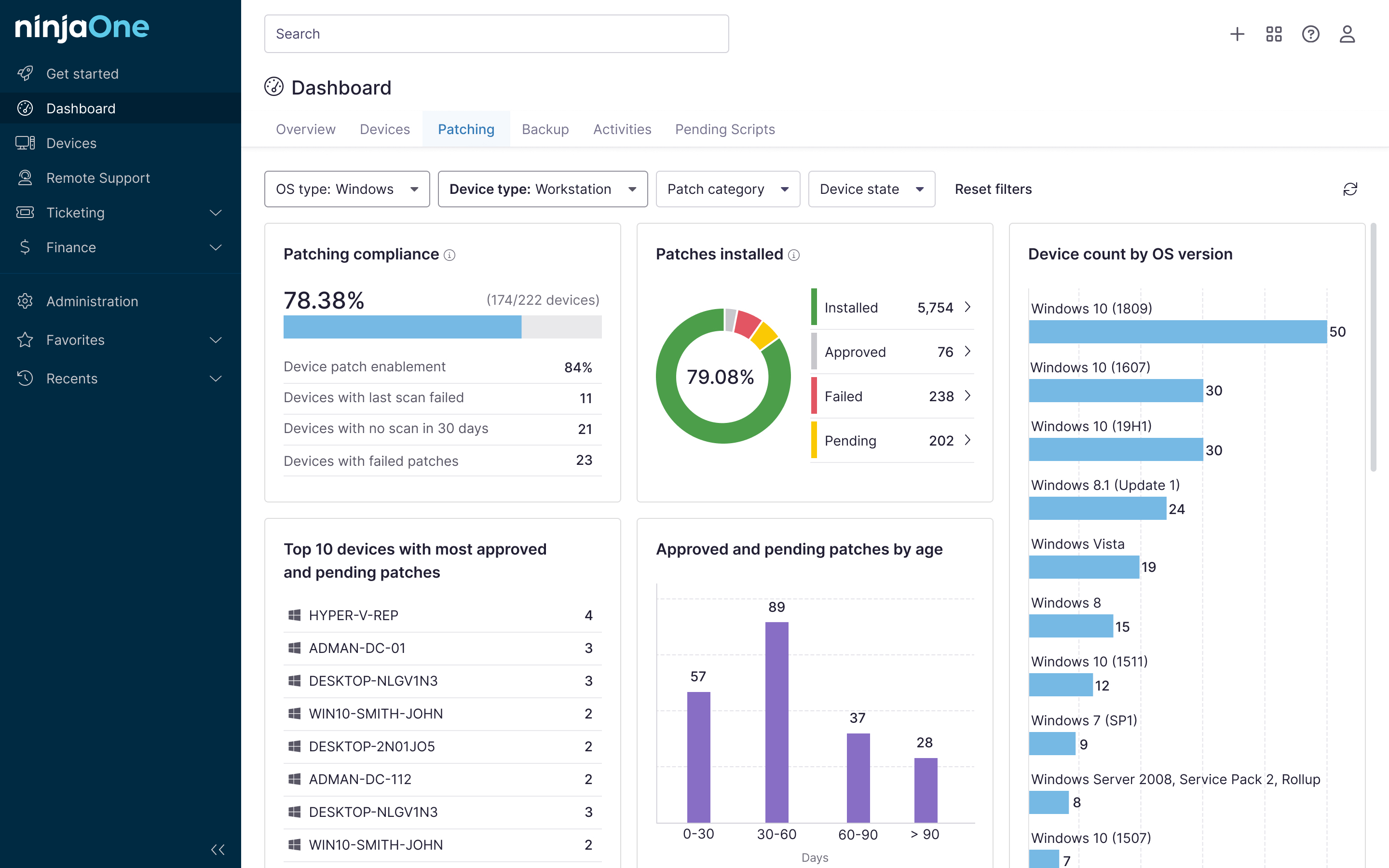
Visualizing schedule gaps helps management shift workloads, spot overloaded technicians, and keep SLAs compliant. Dashboards can display ticket status, unassigned tickets, response times, and more.
Enhance productivity by coordinating technician schedules
Efficient technician scheduling ensures client satisfaction while preventing technician burnout. Coordinating technician schedules across clients ensures MSPs don’t face delays and missed appointments.
Related topics: