Key Points
- Jumping straight into migration without conducting a cloud workload assessment can lead to hidden dependency failures and unexpected downtime.
- Classifying cloud workload according to its business impact allows you to prioritize and allocate resources more efficiently.
- Cloud-readiness assessments help you identify which workloads need modernization before migration.
- Accurate cloud migration cost models factor in storage growth, network egress charges, licensing changes, and disaster recovery charges.
- Each workload requires its own migration strategy. Implementing a one-size-fits-all approach creates unnecessary cost and complexity.
Cloud migration sounds like a pretty straightforward process. You just have to move your organization’s data from physical servers to a cloud platform; how hard could it be?
A lot, as it turns out. Many migration initiatives fail because teams jump straight into execution without taking the time to evaluate the workload that they’re moving. And it only takes one misstep for migration to disrupt your entire organization’s workflow and cause unexpected downtime.
That’s why cloud workload assessments are so important. They allow you to understand how your data actually flows, map out any hidden application dependencies, and plan the safest route for migration.
This guide walks you through conducting a structured cloud workload assessment and explores the important role it plays in the success of your transition.
How to conduct a structured cloud workload assessment before a migration
Jumping straight into migration without doing a complete workload assessment is like moving to a new house without taking inventory of everything that you own. You risk losing or damaging something important along the way.
A cloud workload assessment allows you to identify which workloads can be moved to the cloud, their dependencies, and the safest way to move them. It’s really the key to a successful transition.
Here’s how you can get started:
Start by defining what a cloud workload actually includes
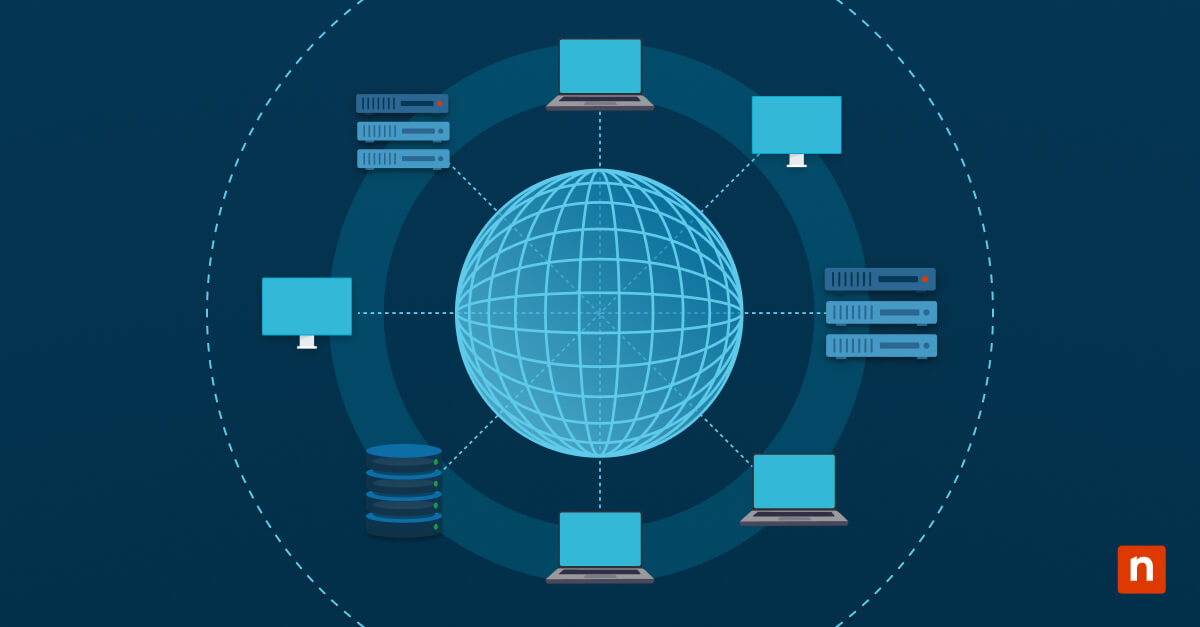
In cloud migration, the term ‘workload’ doesn’t just refer to applications. It covers all the resources and processes that keep their application running, including:
- Databases
- Middleware
- Storage layers
- Network dependencies
- Identity integrations
When you treat cloud workload as an interconnected ecosystem instead of just a single application, you dramatically reduce the risk of hidden dependencies interrupting the migration.
Classify your cloud workload based on real business impact
Once you’ve identified your workloads, your next step is to categorize them based on their business impact. For instance:
- Mission-critical: Systems that require high availability and can’t tolerate any downtime.
- Customer-facing: Services that have a direct impact on user experience.
- Internal productivity: Tools that are important to your team’s workday, but can afford short periods of interruption.
- Legacy systems: Applications that are near the end-of-life and require a different migration strategy.
- Low-risk: Software with very limited dependencies and has a low impact on daily operations.
Doing so allows you to set up your migration sequence around your actual priorities and allocate resources more efficiently.
Assess each workload’s readiness for migration
Now that you have a pretty good idea of how your migration initiative will go, it’s time to take a closer look at your cloud workload and see if they’re migration-ready.
A cloud-readiness assessment typically covers:
- Architecture compatibility: Is the workload designed for a cloud environment, or does it need major reworking for it to function properly?
- Dependency mapping: What other services, databases, or systems is the workload connected to? Are these dependencies documented, or are they hidden?
- Database latency sensitivity: Can the workload tolerate increased latency? If so, how much latency can it accommodate?
- Security and compliance constraints: Does the workload handle regulated data, or does it have any specific compliance requirements?
- Integration complexity: How many external connections does the workload need to maintain? Are they difficult to replicate or reconfigure in the cloud?
Truthfully, not all your workload will be ready to move as-is. There will be applications that you need to modernize before you move them to the cloud, and the sooner you identify them, the better.
Model the actual cost and performance impact before you commit
One of the most common mistakes enterprises make when computing the cost of cloud migration is focusing on the initial migration expenses alone. When in reality, they should account for ongoing operational costs that accumulate long after the move is complete.
A realistic cost model for migration typically factors in:
- Storage growth projections: Since cloud storage costs scale with use, your model should take into account how your data volumes might grow over time.
- Network egress charges: Moving large volumes of data between cloud regions or back on-premises can cost a lot, and these charges can quickly go up if you’re not careful.
- Licensing models: Not all software licenses transfer cleanly into the cloud. So to prevent being caught off guard by expensive license changes, review your existing agreements and check if they cover cloud deployment.
- Performance tiers: Different workloads require different performance requirements, which means you need to choose the right tier upfront to prevent unexpected expenses later on.
- Disaster recovery and replication costs: IT teams often leave these out of their early cost estimates, but they represent a significant portion of what would be your ongoing cloud spend.
Skipping this step will not reduce your expenses; it’ll only delay them. Planning for them ahead of time gives your team a more realistic idea of how much cloud operations actually cost.
Pick the right migration strategy for each individual workload
As we’ve mentioned earlier, not all workloads are equal. Each one has its own requirements, and forcing them onto one migration path only creates unnecessary costs and complexity to your migration initiative.
So, how do you know which strategy is best for a specific workload? It ultimately depends on its technical profile and business value.
Some workloads are perfect candidates for a straight rehost, also known as “lift and shift,” where the workload is moved to a cloud infrastructure with minimal changes. Others may benefit from refactoring, where you restructure its design to improve its scalability or take advantage of the cloud-native capabilities.
In between these options is replatforming, which allows you to move your workload to a managed cloud service without doing a full rewrite. This approach offers the same operational benefits of a cloud infrastructure without the full cost of a modernization project.
It’s also worth noting that not every workload in your infrastructure should be migrated. Some are better off staying on-premise, specifically those with deep infrastructure dependencies and strict data residency requirements.
Moving these workloads into a cloud infrastructure would be more impractical than simply leaving them alone. The same thing applies to legacy or redundant workload; retiring these applications may be the smartest approach.
The key here is to evaluate each workload on its own instead of applying a one-size-fits-all approach. To do this, you’ll need a decision framework that maps each workload’s technical profile to the right migration strategy.
Align the assessment with your organization’s broader governance strategy
Just because you’ve finished evaluating all your workload doesn’t mean you can just go straight to migration. You still need to ensure that your assessment findings align with your organization’s broader cloud and governance strategies.
Here are some of the key considerations you need to keep in mind before you start the transition:
- Alignment with existing hybrid cloud policies: Are your decisions aligned with your existing cloud policies, or could they create conflicts later on?
- Change management coordination: Have you informed your change management team early enough that they can track, review, and share each migration activity with the rest of the organization?
- Security control mapping: Does every on-premise security control have a clear equivalent in the cloud, or are there any gaps that need addressing?
- Monitoring and conversability requirements: Have you established how your team will detect and respond to issues in the cloud?
- Compliance validation: Is compliance integrated into every stage of the migration process?
By integrating governance right at the start of the migration process, you can prevent it from becoming a bottleneck that slows your project down.
Keep optimizing your cloud environment
Workload assessments aren’t just useful for planning migrations; they’re also helpful for optimizing cloud environments. You can use them to:
- Evaluate your workload’s performance post-migration.
- Check if the actual cost of cloud migration lines up with the projections you’ve made during the assessment stage.
- Scale your resources up or down based on actual data usage.
- Spot automation opportunities for repetitive tasks, like patching, backups, scaling, and failover.
- Continuously monitor capacity trends.
By regularly assessing the health and performance of your cloud environment, you can ensure that it continues to evolve and grow alongside your business needs.
A thorough cloud workload assessment is the key to a successful migration
The success of any cloud migration initiative lies in how well you understand your infrastructure. You can have all the right tools and the most experienced team, but without a clear idea of what you’re moving, your migration could still fail.
This is where cloud workload assessments can help. They give you a better understanding of your infrastructure by surfacing hidden dependencies that may cause important workflows to break.
In addition to this, cloud workload assessments give you a rational basis for every major decision you make throughout the migration. With the right insights, you can identify which workloads are cloud-ready, which ones to prioritize, and which are better left on-premises.
So before you move anything else, do the groundwork first. The organizations that take the time to evaluate the cloud-readiness of a workload are the ones that enjoy a smoother transition to a cloud-based environment.
Related topics: