The same challenges of AI deployment that make executives nervous can make IT leaders indispensable — if you know how to frame them. While other IT departments scramble to react to AI deployment problems, forward-thinking professionals are already workshopping solutions and setting expectations. The difference lies in recognizing these obstacles before they become organizational crises.
What is AI deployment?
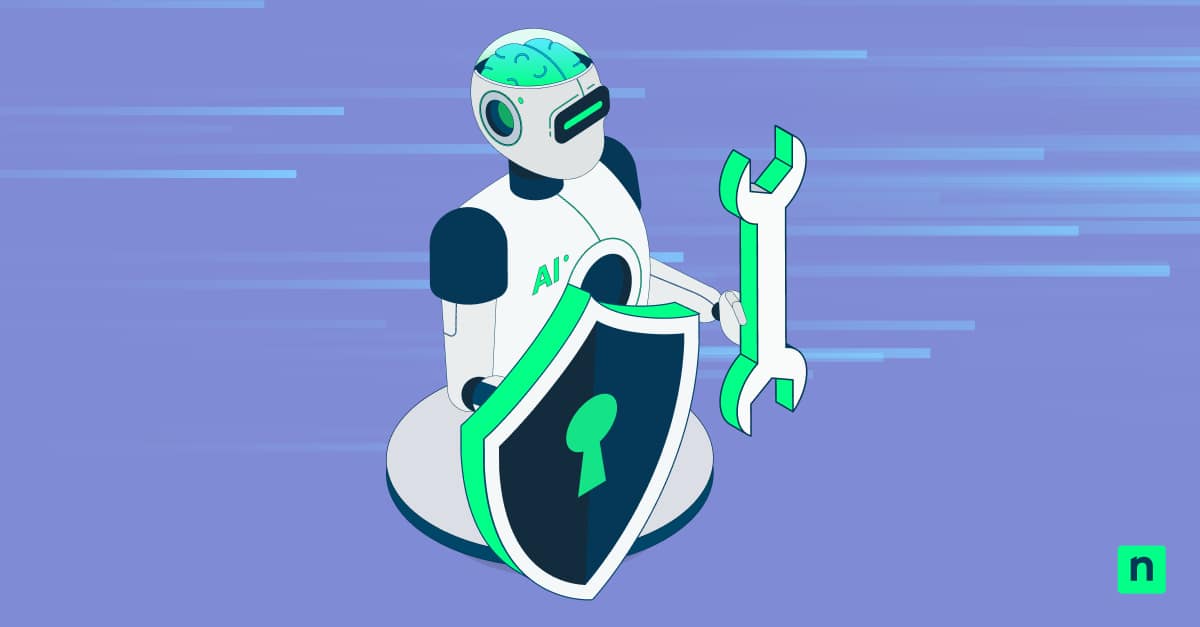
AI deployment is the process of integrating artificial intelligence solutions into your existing business operations. It goes far beyond using new software — you’re preparing data, training models, connecting systems, and ensuring ongoing optimization. Successful AI deployment means these systems become a seamless part of your daily workflows, delivering real value over time.
Why does AI deployment create unique challenges for IT?
AI deployment isn’t like rolling out traditional software. Instead of a one-time setup, you’re dealing with systems that learn, adapt, and need constant refinement. Unlike conventional tools with predictable inputs and outputs, AI works with unstructured data, adapts to new patterns and needs to perform across a range of use cases.
You’ll need real-time monitoring, frequent model updates and governance frameworks that go way beyond standard IT maintenance. The dynamic nature of AI means you have to think strategically about infrastructure, security, and change management — all at once.
5 Common challenges of AI deployment
AI deployment issues can be a source of frustration for IT professionals — but every challenge here is a chance to show your strategic value and build influence. The most successful teams turn these obstacles into proof of technical expertise, business savvy and leadership. When you understand these challenges — and how to resolve them — you position yourself as the IT leader who turns obstacles into opportunities.
1. Data-related challenges
Most organizations underestimate how tough it is to prepare data for AI. This is your chance to step up as a data governance expert. While executives focus on what AI can do, you know that data quality, accessibility, and compliance are the real foundation.
Here are some data-related challenges you may face:
- Data quality and consistency issues across multiple sources require sophisticated cleansing and normalization processes.
- Legacy data format incompatibilities demand extensive transformation and migration strategies.
- Compliance and privacy regulations necessitate comprehensive governance frameworks, and audit trails.
- Real-time data pipeline management requires robust monitoring and automated quality assurance systems.
2. Security and risk management
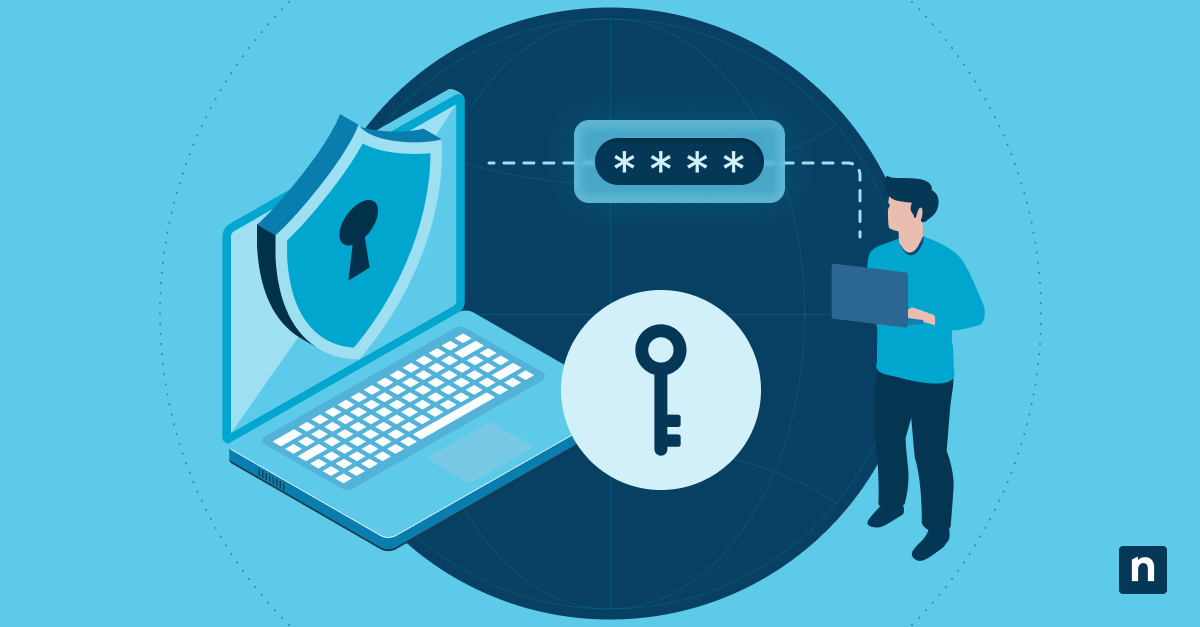
AI introduces new attack vectors and compliance headaches that traditional security just can’t handle. This is where you can shine as a risk management expert. Most organizations don’t fully understand AI-specific vulnerabilities, so you have a real edge if you’re prepared.
Key areas of risk include:
- Model poisoning and adversarial attacks require specialized detection and prevention mechanisms.
- Data privacy and confidentiality concerns demand encryption, access controls and audit capabilities.
- Regulatory compliance complexities across multiple jurisdictions create ongoing monitoring requirements.
- Third-party AI service dependencies introduce supply chain risks requiring vendor assessment and management.
3. Integration with legacy systems
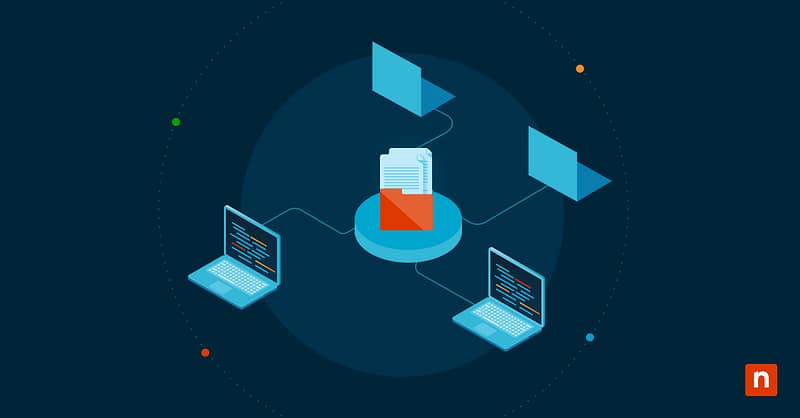
Your current infrastructure might not be ready for AI workloads without some serious upgrades. This is your opportunity to bridge today’s capabilities with tomorrow’s needs. Where others see roadblocks, you redesign for better performance and scalability.
Primary integration challenges:
- API compatibility issues between AI platforms and existing applications require custom integration solutions.
- Performance bottlenecks in legacy systems demand infrastructure upgrades and optimization strategies.
- Database schema modifications to support AI data requirements affect multiple interconnected systems.
- Network bandwidth and latency constraints require infrastructure assessment and capacity planning.
4. Skills gaps and training needs
AI is evolving fast, and many teams are struggling to keep up. You can help your organization identify the right skills, build training programs and support ongoing learning.
Talent considerations include:
- Technical expertise shortages in machine learning, data science, and AI operations require targeted recruitment and training.
- Change management resistance from existing staff demands comprehensive communication and support strategies.
- Continuous learning requirements necessitate ongoing education programs and certification pathways.
5. Managing costs and resource allocation
AI projects come with complex, unpredictable costs that don’t always fit traditional budgets. By optimizing your company’s ROI, you can help shrink the budget rather than grow it. You’ll need to manage compute and storage costs, handle licensing and subscription complexities, and plan for infrastructure scaling.
- Unpredictable compute and storage costs require dynamic resource management and cost optimization strategies.
- Licensing and subscription complexities for AI tools and platforms demand vendor negotiation and contract management.
- Infrastructure scaling requirements create ongoing capacity planning and investment decision challenges.
- ROI measurement difficulties necessitate comprehensive metrics frameworks and performance tracking systems.
How IT teams can prepare for AI deployment
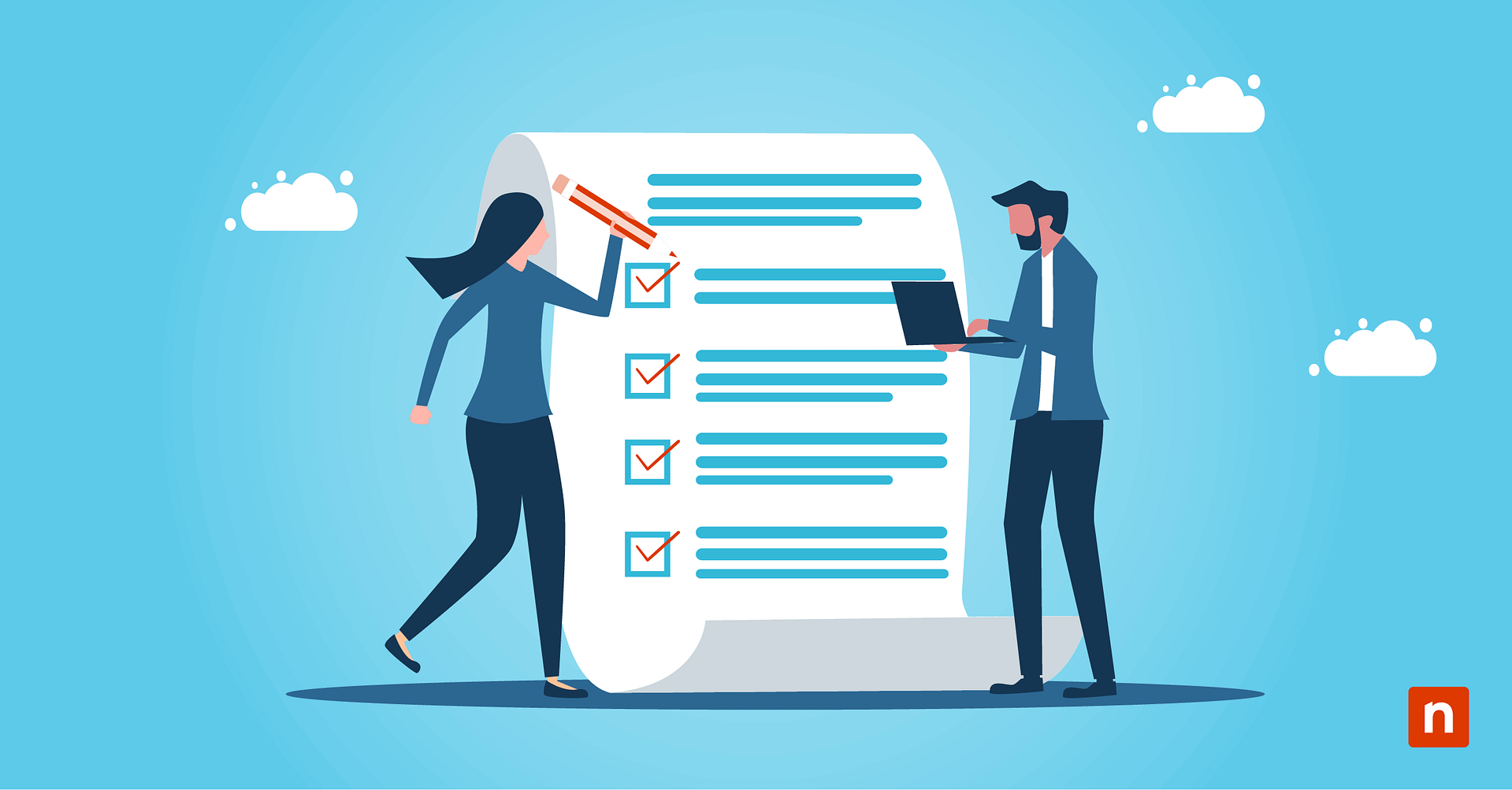
Proactive preparation sets you apart. The most successful IT professionals start building capabilities and frameworks before AI projects become urgent. When you anticipate what’s coming and lay the groundwork early, you position yourself — and your team — as trusted partners who drive real results.
Build a cross-functional deployment team
AI deployment works best when you collaborate across departments. You’ll need to coordinate between technical and business stakeholders, making sure everyone’s aligned on requirements and constraints. Bringing in voices from operations, compliance and end users helps you spot risks and opportunities early.
Prioritize data governance and security
Get ahead of data and security challenges before they become business disruptions. Strong governance and security protocols give your organization the ability to move quickly while staying compliant and maintaining trust. Establish clear data ownership, access controls, and audit processes from the start to avoid costly surprises.
Invest in ongoing training and upskilling
Continuous learning keeps your team relevant and ready to support AI initiatives. Develop internal experts who can evaluate new technologies, guide vendor selection, and provide technical leadership. Track emerging skills in machine learning, data engineering, and AI operations so your team stays ahead of the curve.
Leverage automation for smoother integration
Automated deployment, monitoring and management tools reduce manual work and improve reliability. Automation not only boosts productivity, but it also shows your technical sophistication and helps you optimize resources for better business outcomes. Evaluate which processes can be standardized or scripted to free up your team for higher-value work.
The future of AI deployment in IT
AI deployments will keep creating opportunities for you to demonstrate strategic value and build organizational influence. As AI becomes integral to business operations, the challenges of AI deployment will transform into platforms for showcasing technical expertise, business acumen and leadership capabilities. If you take the time to master these challenges today, you will become the strategic leader who will guide your organization through tomorrow’s technological transformations.
Streamline your AI infrastructure
If you need to streamline your AI deployment processes and require a reliable partner for implementation, NinjaOne delivers robust automation capabilities for your most resource-intensive operations. Our comprehensive policy management system enables flexible deployment of modifications across entire organizations, specific locations, dynamic user groups, and individual devices. Try it now for free.