


Key points
- Lack of visibility into privileged access requests and usage creates significant security, compliance, and operational risks.
- Implementing consistent monitoring processes across all client environments is essential for proactive security.
- Key monitoring methods include native OS logs, cloud platform logs, and specialized Privileged Access Management (PAM) tools.
- Automated approval workflows and real-time session monitoring are critical for controlling access and identifying threats.
- Regular access reviews and compliance reporting are necessary to maintain security and meet audit requirements.
- A centralized management dashboard provides the visibility needed to track activity and alerts across all clients.
Most IT teams struggle with visibility into who requests elevated privileges, when those privileges are granted, and how they’re used across different client systems. Without proper tracking mechanisms, you could face security gaps, compliance violations, and operational inefficiencies that can compromise client relationships and business outcomes.
The key lies in implementing consistent monitoring processes that work across varied client environments while maintaining the flexibility needed for different business requirements. This guide will show you how to track privileged access requests across multiple client environments effectively.
How to track users with privileged access
Tracking users with privileged access begins with establishing clear visibility into who has elevated permissions across your client environments. This foundation enables proactive management of access rights and helps you identify potential security risks before they become incidents.
Methods to monitor privileged access activity
The way you monitor privileged access activity will vary based on your client infrastructure and security requirements. Native operating system logs provide basic tracking capabilities, while specialized privileged access management tools offer more comprehensive monitoring and analysis features.
Key monitoring approaches include:
- Windows Event Viewer logs and PowerShell transcription for Windows environments
- Syslog, auditd, and sudo logs for Linux system privilege tracking
- AWS CloudTrail, Azure Activity Log, and Google Cloud Audit Logs for cloud platforms
- Third-party privileged access management tools for centralized monitoring
Each way captures different types of privilege elevation events and provides varying levels of detail for analysis and reporting purposes.
Privileged access management monitors and records workflows
Privileged access management monitor and record workflows, establish systematic processes for capturing, analyzing, and responding to privileged access elevation events. These workflows ensure consistent handling of access requests while maintaining detailed records for security and compliance purposes.
Set up your workflow to catch privilege elevation requests as soon as they occur. Route approvals automatically by defining criteria like user role, request context, or asset sensitivity so low-risk requests go through quickly while high-risk ones trigger multi-level reviews. Also, make sure you monitor elevated sessions in real time to spot risky behavior. Finally, connect everything to your ticketing system to maintain a clean audit trail without adding overhead.
Real-time vs. scheduled tracking
Real-time vs. scheduled tracking approaches offer different benefits depending on your security requirements and operational constraints. Real-time monitoring provides immediate visibility into privilege elevation events but requires more system resources and active monitoring capabilities.
Consider these factors when choosing your approach:
- Real-time tracking for high-security environments requiring immediate response
- Scheduled tracking to reduce system overhead while maintaining visibility
- Hybrid approaches combining real-time alerts for critical events with scheduled reporting
- Resource availability and monitoring team capacity
The right balance will depend on your client’s security requirements and operational constraints.
Implement privileged access management audit systems
When you implement privileged access request management audit systems, plan carefully to avoid drowning in noise. Capture the data that matters, who requested access, why, when, and what they did, without flooding your team with low-value alerts or extra admin. Design the system to give you full coverage while staying lightweight enough for daily use.
Real-time privileged access request tracking
Track privileged access requests in real time to stay ahead of threats. You’ll see privileged access elevation requests the moment they happen, across all client environments, so you can respond fast and keep control tight.
To implement it, hook into your existing authentication systems, directory services, and security tools. Capture elevation events from every source that matters. Then fine-tune your alerts to catch real risks without overwhelming your team. Prioritize signal over noise.
Automated elevation approval workflows
Automated elevation approval workflows streamline the process of granting temporary privileged access while maintaining security controls and audit trails. These workflows reduce administrative overhead while ensuring consistent application of access policies across client environments.
Workflow components include:
- Approval criteria based on user roles and requested privileges
- Business justification requirements for elevation requests
- Time-based access controls with automatic privilege revocation
- Integration with identity management systems for credential validation
- Notification systems for stakeholders throughout the approval process
Session recording and analysis
Session recording and analysis capabilities provide detailed visibility into how privileged access gets used once granted. This information supports security investigations, compliance reporting, and user behavior analysis that helps identify potential insider threats.
Recording should capture keystrokes, screen activity, and system commands executed during privileged sessions. Analysis tools help identify unusual patterns, policy violations, and potential security incidents within recorded sessions while reducing manual review effort.
Compliance reporting mechanisms
Use compliance reporting to turn raw privileged access data into audit-ready reports that meet regulatory standards. Tailor reporting to match each client’s specific compliance obligations.
At a minimum, reports should cover privilege grants, access patterns, policy violations, and remediation actions. Automate report generation to cut down on manual effort and ensure timely, consistent delivery to stakeholders.
Best practices to monitor privileged access across MSP clients
To secure privileged access requests at scale, you need a standardized monitoring approach that flexes to each client’s environment. The goal is to provide consistent security without compromising efficiency. These best practices help you enforce strong controls, adapt to client-specific needs, and streamline operations across your entire MSP portfolio.
Management monitor dashboards
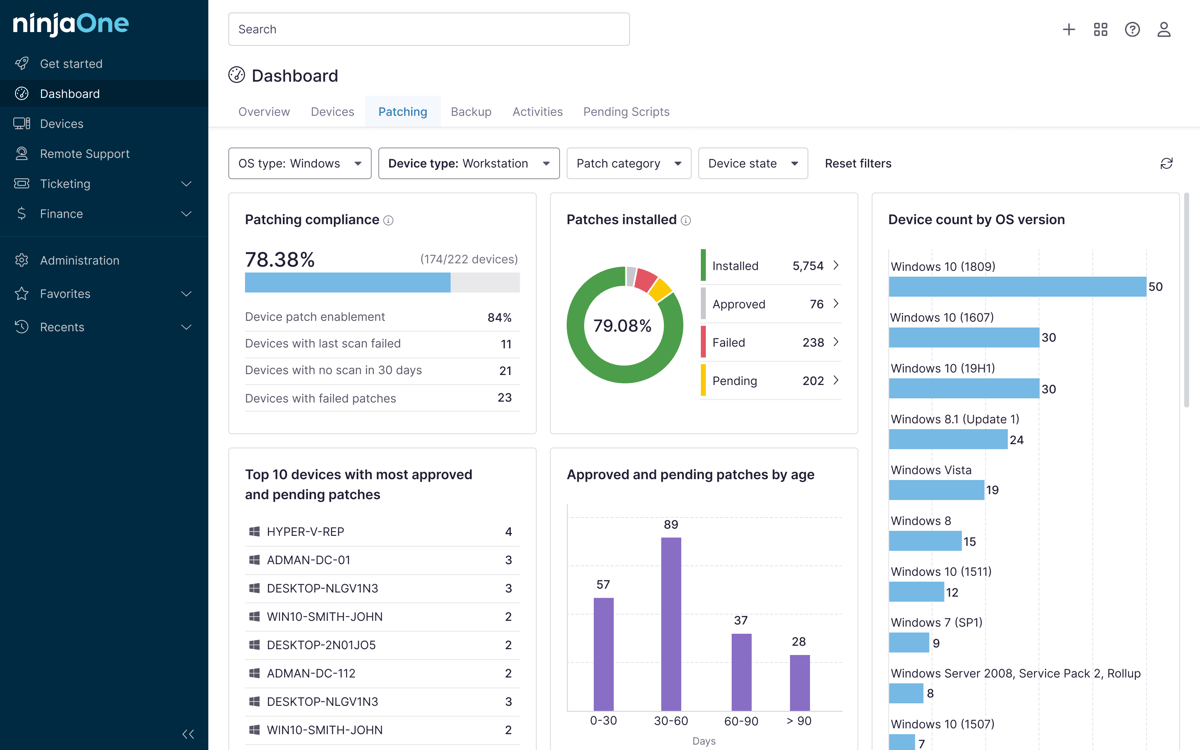
Use management dashboards to gain centralized visibility into privileged access requests across all client environments. Surface key metrics, track trends, and monitor real-time alerts — all in a format that supports both operational decisions and executive-level reporting.
Key dashboard elements include:
- Real-time status indicators for active privileged sessions
- Trend analysis showing access patterns over time
- Drill-down capabilities for detailed investigation
- Policy violation alerts and compliance status indicators
- Role-based access controls for appropriate information visibility
Visual indicators help you quickly identify environments that require attention or investigation.
Alert configuration strategies
Alert configuration strategies balance the need for security awareness with operational practicality. Tiered alerting approaches categorize events by severity and route notifications to appropriate response teams.
High-severity events like unauthorized privilege escalation attempts require immediate attention, while routine elevation requests may only need periodic review. Alert tuning requires ongoing refinement based on operational experience and changing threat landscapes.
Regular access review cycles
Regular access review cycles ensure privileged access remains appropriate over time and help you identify accounts that no longer require elevated permissions. These reviews support compliance requirements while reducing security risks from excessive privilege accumulation.
Review frequency should balance security requirements with administrative overhead. Quarterly reviews work well for most environments, while high-security clients may require monthly access reviews for critical systems.
Privileged access management optimization strategies
Privileged access management optimization strategies help you improve security posture while reducing operational overhead across client environments. These strategies focus on automation, standardization, and continuous improvement of access management processes.
Optimization opportunities include:
- Automated privilege revocation based on time limits or usage patterns
- Standardized access request workflows across client environments
- Integration with existing security tools and SIEM platforms
- Regular assessment of privileged access patterns for process improvement
- Client feedback integration for workflow refinement
Performance metrics should track both security outcomes and operational efficiency to ensure optimization efforts improve overall program effectiveness.
Track privileged access consistently by implementing the right monitoring tools, documenting access policies clearly, and regularly reviewing usage patterns across client environments. Success depends on striking the right balance between strong security, practical operations, and enough flexibility to adapt to each client’s needs.
Centralize privileged access monitoring with comprehensive endpoint management
NinjaOne’s unified platform provides real-time visibility into privileged access requests across all client environments. Built-in monitoring tools track elevation events, automated workflows streamline approval processes, and detailed reporting supports compliance requirements. Start your free trial today.