
Key points:
- Network backup creates full, incremental, or differential copies of data from servers, endpoints, and network devices, storing them on-premises or in the cloud.
- The 3-2-1 backup rule, which keeps three copies of data across two storage types with one copy offsite, significantly reduces the risk of catastrophic data loss.
- Effective solutions include automation, encryption, monitoring, version control, and scalable storage to meet defined RTO and RPO requirements.
- MSPs and IT departments rely on scalable, integrated backup platforms to protect network data, streamline management, and support business continuity.
Business Wire reports that over the next three years, more than three out of every four businesses expect to experience major data loss or a breach of data. They add, “Some companies, especially smaller ones, can be lulled into a false sense of security believing that perpetrators will not bother with them–this is absolutely not the case.”
What is network backup?
Network backup creates an exact copy of all data stored on the network and connected devices, including servers, endpoints, and other network nodes. It protects against data loss caused by software failures, hardware malfunctions, accidental deletion, or other damaging events.
Backups are mission-critical, and protecting data contained in network assets is an essential component for overall data backup and recovery. Network backup solutions could be what your organization needs to level up your backup strategy.
What is network configuration backup?
Network configuration backup is a snapshot of the configuration settings of a network’s infrastructure components. These network components may include routers, firewalls, switches, or any other device with network configuration settings. Businesses may look to network configuration backups to create a copy of their configuration settings, since they could already have backups in place for other network endpoints.
What is a network backup solution?
A network backup solution is software designed to copy data from devices or endpoints within a network and store those copies in a secure location. It enables organizations to back up their network data using designated software to streamline the process.
How network backup works
The process of backing up a network has many important steps. A basic network backup process involves the following:
- Choosing what components to backup
- Scheduling network backups and configuring backup settings
- Capturing the network data and storing it on-premises or in the cloud
- Monitoring the network backup process to certify whether backups are completed
- Testing the network backups regularly to verify that they work and are effective
- Restoring the network data after data damage occurs
When it comes to the actual execution of a network backup, the data can be captured using a few different types of backup. Full backups are typically performed at the beginning and intermittently to capture the entirety of the data. Between full backups, scheduled incremental or differential backups can be performed to create copies of any changes that have occurred since the last full backup.
Implementing the 3-2-1 backup rule
The IT industry recommends the 3-2-1 rule to ensure data resilience and survivability. This guideline protects against site-wide disasters and catastrophic data loss.
Maintain three copies of your data: the primary data and two backups. Store the copies on two different types of media, such as internal disk and cloud storage. Keep one copy offsite, physically or logically separate from the production environment.
This strategy reduces the risk of losing critical network data.
The benefits of network backup
Network backup is an essential component of a data backup and recovery plan. The specific benefits of implementing network backup within your organization include:
Protect against security threats
Security threats pose another serious risk to network data safety. With a network backup, a copy of the network data is created, encrypted, and stored in another safe location. Making an additional copy of the data from network components creates a safety net to fall back on if the original data is lost or destroyed because of malware, ransomware, or other cybersecurity threats.
Recovery after a disaster
Network backup enables organizations to recover from data loss, hardware or software failures, configuration problems, and other issues that may occur on a network.
Reassurance of network data safety
When network backups are performed, network data is safe, protected, and can be recovered if needed. The peace of mind that comes with that knowledge encourages productivity and puts business members at ease.
Cost efficiency
Creating a network backup to replace lost data from network assets saves a business money by preventing it from having to rebuild and recreate the network data from scratch. It is always less expensive to restore, instead of recreate, data.
Important features of a network backup solution
It can be difficult to decide which network backup solution will be an ideal fit for your business. To make this important decision, there are a few components you’ll want to consider such as:
- Automation and scheduling tools
- Encryption of the data
- Features for version control
- Reporting and monitoring options
- Local vs cloud storage
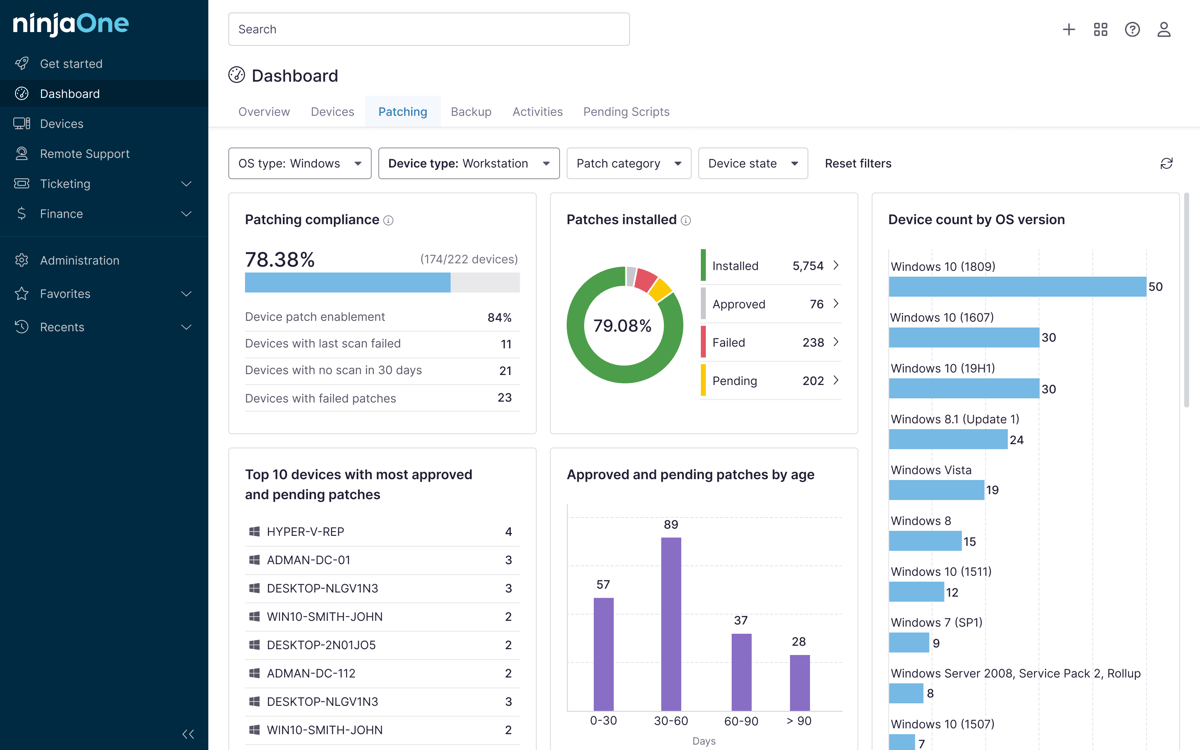
NinjaOne’s backup solution offers these essential features and more!
How MSPs use network backups
MSPs looking for the best network backup software can focus on how the software can be added into their product stack and how it will support long-term growth. Many MSPs run an MSP data protection solutions comparison before committing, weighing integration with existing tools, ease of management across clients, and scalability. Finding a solution that can scale with an MSP business is extremely valuable.
How IT departments use network backups
IT departments searching for a network backup solution are primarily focused on protecting their company’s business-specific network data. For this reason, IT departments will analyze network backup software as a whole but may heavily consider features such as encryption, to ensure the data is sufficiently protected, and monitoring options, to check whether network backups are fully completed.
Additionally, many IT teams now look for unified endpoint management for security, backup, and updates. These tools consolidate backup alongside patching and device security into a single platform to reduce tool sprawl.
How to choose the best network backup solution for your business.
Now that you know what components to consider in a network backup solution, the next step is to figure out which solution will work best for your organization. Before continuing, you must establish two key metrics that guide your data protection needs:
- Recovery Time Objective (RTO): This is the maximum acceptable amount of time allowed for your systems and data to be restored and operational after a failure.
- Recovery Point Objective (RPO): This is the maximum acceptable amount of data loss you can sustain, measured in time (e.g., the last 15 minutes of data).
1. Business needs
Begin by assessing the needs of your business, including the size and type of company, how much data you need to back up, the frequency at which those backups need to occur, and your recovery time objectives (RTO) and recovery point objectives (RPO).
2. Methods and features offered
Each network backup solution will offer slightly different features or use a certain combination of methods to conduct network backups. This includes elements like automation, encryption, and monitoring, or various types of backup like full, incremental, or differential.
3. Scalability
As your business grows, you’ll have increasingly more data. It’s much easier to initially choose a solution that can scale with you rather than having to switch to an alternative network backup solution. Think about the amount of data you expect to have, the number of devices that need to be backed up, and whether a network backup solution can handle your data volume both now and in the future.
4. Security of data
The primary reason for conducting a network backup is to protect critical network data, making the data security of a network backup solution extremely important to consider. Some features related to the security of backed-up network data include whether the software offers encryption, restricted access to backups, backup testing, or diversified backup locations.
Backup your network assets with NinjaOne
Network backup solutions are an important part of network data protection and disaster recovery since they work to ensure the security and availability of network data and assets.
NinjaOne provides backup for your IT assets that are on the network, including Windows, Mac, and server backups. As a cloud-based solution with multiple backup plans and restore options, you can rest assured that the data on your network assets is safe and secure. Watch a backup demo or sign up for a free trial today.