Key Points
- Machine learning, a subset of AI, enables algorithms to detect patterns and anomalies from vast datasets, helping IT teams proactively predict, identify, and mitigate cyber threats before they escalate.
- Machine learning delivers fast data analysis, workflow automation, and adaptable defenses. It helps IT teams reduce manual effort, accelerate response times, and enhance overall security resilience.
- ML models depend on high-quality, large-scale data and continuous updates. Successful integration requires compatibility with existing infrastructure, robust data validation, and adaptive algorithms to stay ahead of evolving threats.
- AI-powered tools extend ML capabilities with real-time monitoring, automated incident response, and predictive analytics. These solutions enhance accuracy, speed, and scalability, making cybersecurity more proactive and efficient.
- Future systems will offer personalized defenses, advanced predictive capabilities, and stronger automated responses. Continuous learning from past attacks will make machine learning in cybersecurity increasingly essential for threat prevention.
Machine learning (ML) in cybersecurity dates back to the early 2000s and has become a key tool today in fighting cyber threats. According to Cybersecurity Ventures, global spending on cybersecurity products and services is expected to exceed $1.75 trillion cumulatively from 2021 to 2025, highlighting the increasing reliance on advanced technologies to combat cyber threats.
This article discusses what machine learning is and its use cases in cybersecurity.
What is machine learning?
Machine learning (ML) is a subset of artificial intelligence (AI) that focuses on teaching algorithms to learn patterns based on existing data, with the goal of predicting answers based on new data. In cybersecurity, this allows IT teams to proactively predict and mitigate threats through behavioral analytics.
This technological advancement leverages vast amounts of data to learn from patterns and anomalies that could indicate potential security breaches. When applied in cybersecurity, machine learning enhances the ability of systems to adapt and evolve, making it harder for malicious actors to exploit system vulnerabilities.
Types of machine learning
There are three commonly known types of machine learning used in cybersecurity.
Supervised learning
Supervised learning refers to the machine learning approach of using human-labeled datasets to train algorithms. In this learning model, AI models are trained on a full set of labeled data. “Labeled” data means that every example or data point in the training data set is tagged with a specific answer.
Unsupervised learning
Unsupervised learning is the approach wherein an algorithm is trained on unlabeled or raw data, without human supervision. With this approach, a model is left to find patterns and data, potentially helping IT teams discover new cyberthreats and cyberattack patterns.
Reinforcement learning
Reinforcement learning refers to trial-and-error machine learning, which encourages AI models to find the best way to accomplish a goal or improve performance for a task to receive a reward. The main goal in this type of learning model is for the AI model to predict the next step to earn the biggest final reward.
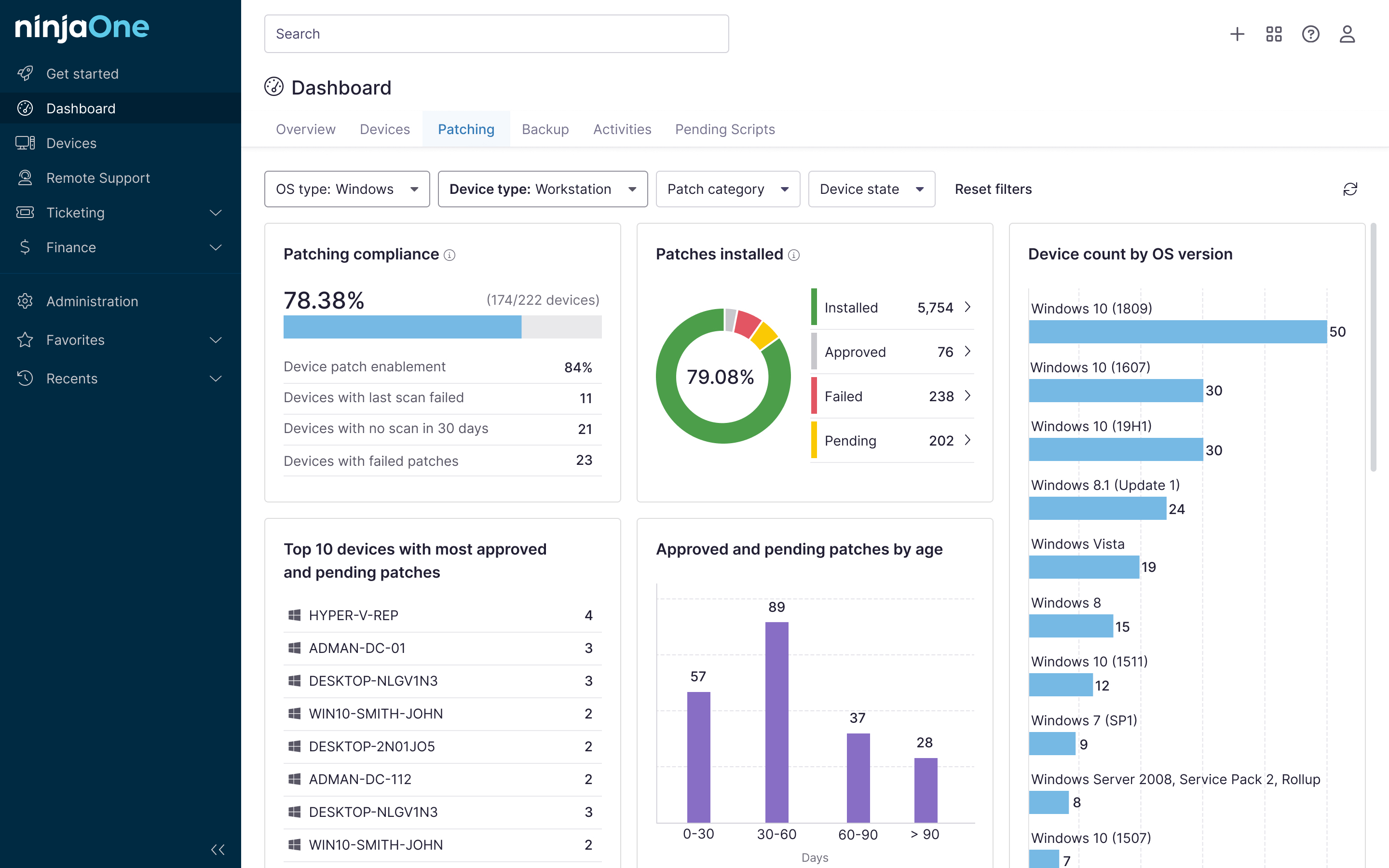
Managing thousands of endpoints manually is infeasible.
Key applications of machine learning in computer security
A key application of machine learning in computer security is threat detection, where systems learn to identify unusual patterns or behaviors that may indicate a breach. Here are some roles machine learning plays in cybersecurity:
- Fraud detection: Machine learning algorithms excel at spotting fraudulent activities by analyzing vast datasets more efficiently than humans, flagging anomalies that deviate from normal transaction patterns.
- Network security: ML models continuously analyze network traffic to support vulnerability management efforts and prevent potential cyber-attacks, enhancing the security infrastructure.
- Automated threat detection and security analysis: ML-based systems can automatically flag vulnerabilities or suspicious activity and recommend remediation, significantly reducing response times. While some automation exists, most tools assist analysts rather than fully fixing flaws on their own.
- Behavioral analytics: By examining user behavior and identifying deviations from established patterns, machine learning-driven behavioral analytics can detect potential insider threats and compromised accounts, providing an additional layer of security.
Benefits of machine learning in computer security
Machine learning offers impactful benefits to cybersecurity, including:
- Fast analysis of large volumes of data: Analysts typically work with large amounts of data covering their IT infrastructure. With ML, teams can quickly analyze data, enabling a more efficient and proactive approach to security and operations.
- Automation of cybersecurity processes and manual, repetitive tasks: Machine learning can automate workflows, allowing IT teams to focus on other tasks.
- Adaptable defense systems
Machine learning vs traditional cybersecurity
While machine learning in cybersecurity offers significant advantages over traditional methods in detecting and responding to threats, it also presents unique challenges and limitations. Understanding how to integrate these advanced technologies with existing security systems is key to enhancing your organization’s defenses.
Advantages of machine learning
When comparing machine learning to traditional cybersecurity methods, one clear advantage is its ability to rapidly adapt to new threats. Machine learning algorithms can analyze vast amounts of data and recognize patterns that might elude human analysts. Here are some key points where machine learning outshines traditional methods:
- Scalability: Machine learning systems can process and analyze data at a scale that’s impossible for traditional systems, adapting as new data comes in.
- Proactive threat detection: ML systems use predictive analytics to identify potential threats through vulnerability scanning before they can cause harm.
- Automated response: Once a threat is detected, machine learning can initiate responses automatically, reducing the need for constant human supervision and accelerating mitigation efforts.
Limitations and challenges
Machine learning in cybersecurity has challenges and limitations compared to traditional methods, with ML models requiring vast amounts of data to learn effectively. This data isn’t always accessible or feasible to obtain.
Additionally, ML algorithms lack the adaptability of human intuition and sometimes struggle with new, unseen threats. They can also generate false positives and negatives, leading to potential security lapses if not properly managed.
Integration with existing security systems
Integrating machine learning into existing cybersecurity systems requires a balance between innovative ML strategies and reliable traditional methods. As you navigate this integration, here are three key considerations:
- Compatibility: Make sure that the ML algorithms are compatible with your current infrastructure. This minimizes disruptions and leverages existing security investments.
- Data integrity: To train ML models effectively, you’ll need robust data validation processes. Accurate data leads to more reliable predictions and anomaly detections.
- Continuous learning: Implement systems that continuously update their algorithms based on new data. This adaptability helps stay ahead of evolving cyber threats.
Artificial intelligence in cybersecurity
AI-powered threat detection systems in cybersecurity can outstrip traditional methods by rapidly analyzing vast data sets to identify potential threats. Predictive analytics for cybersecurity uses machine learning algorithms to anticipate and prevent future attacks, strengthening your organization’s defensive posture.
AI-powered threat detection
AI-powered threat detection rapidly identifies and responds to cyber threats, enhancing your security posture. As you integrate this technology, you’ll notice significant improvements in how threats are managed. Here are the key benefits:
- Real-time monitoring: AI systems continuously analyze your network traffic and user behaviors, spotting anomalies that might indicate a security breach.
- Automated responses: Upon detecting a threat, AI can initiate automatic countermeasures, potentially stopping attacks before they cause damage.
- Comprehensive coverage: Unlike conventional methods that rely on known threat signatures, AI-based tools learn and adapt, recognizing new and evolving threats.
Predictive analytics for cybersecurity
Predictive analytics in cybersecurity leverages machine learning to forecast potential threats so you can proactively strengthen your defenses. By examining patterns and trends from vast amounts of data, these systems can pinpoint subtle anomalies that may indicate a future security breach.
Automated incident response
Automated incident response systems swiftly identify and mitigate cyber threats, greatly reducing the time your team spends on manual interventions. These systems employ advanced machine learning algorithms to analyze patterns and detect anomalies that might indicate a security breach. Their key benefits include:
- Speed: AI-driven systems respond to threats faster than human teams, often in real time.
- Precision: Machine learning improves over time, learning from past incidents to identify threats with greater accuracy.
- Scalability: Automated systems handle an increasing volume of threats without additional human resources, making them ideal for growing businesses.
Future trends in machine learning for cybersecurity
Looking ahead, machine learning will revolutionize cybersecurity by enhancing threat detection and response mechanisms. Increasingly sophisticated algorithms will predict and neutralize threats before they manifest. These systems will learn from past attacks, improving their predictive capabilities over time. You’ll likely see more personalized security measures, tailoring defenses to individual user behavior and risk profiles.
The types of cyber threats your organization might encounter are diverse and constantly evolving, but with the right approach, you can significantly reduce your risk. By incorporating machine learning into your cybersecurity strategy, you enhance threat detection and response through behavioral analytics and advanced data analysis. Automated systems from NinjaOne, like RMM and IT management solutions, offer patch management, secure backups, and complete visibility into your IT infrastructure, helping you protect your business from the start.
Elevate your cyber defense. Watch The role of machine learning in cybersecurity and reduce false alarms.
NinjaOne uses intelligent systems and cloud-first solutions to reduce the window of exposures.
→ Sign up for a free trial to see how it works