
Vulnerability management hasn’t changed much over the years. We scan on a schedule, review the results, prioritize risks, and fix issues during the next available window. This model was designed for predictability and a different time. But software no longer changes on predictable schedules. New applications appear daily, updates happen all the time, and threat actors don’t wait for the next scan.
Yet there are many vulnerability programs that still operate that way.
Why scan-based vulnerability management is showing its limits
Scan-based vulnerability management became the industry standard because it was practical and easy to measure. Regular scans gave security teams a clear view of risk and established structured reporting cycles for compliance. Workflows were built around this schedule, from prioritizing and fixing issues to reporting to executives. The model worked well for environments that changed slowly and were easier to manage.
Vulnerability scanning was originally designed for centralized infrastructure where changes were infrequent, and systems were easier to monitor. Compliance programs reinforced this model by requiring regular scans and formal reporting cycles. The approach successfully improved visibility but was never designed to optimize remediation speed.
You can close the window and lock the door
In traditional models, vulnerabilities are detected during scheduled scans that often run periodically. Weekly and monthly scans are the most common. This setup creates a predictable gap between software changes and risk detection. It’s not due to carelessness but because the system relies on periodic checks.
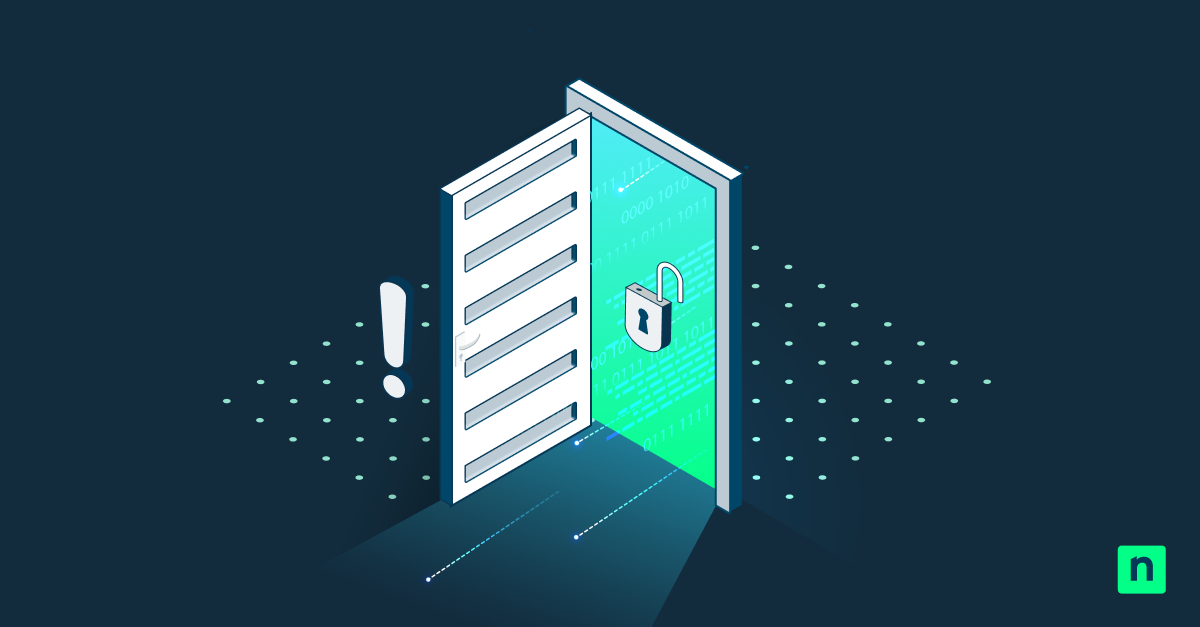
With devices spread out, changes happen constantly, and that delay increases risk. If you know someone is trying to break into your house, why leave the window open and the door unlocked until the next inspection?
As previously stated, industry scan cadence often runs on weekly or monthly schedules, and in many environments, exposure windows stretch 15-30 days between discovery cycles. During that time, new vulnerabilities may already be known publicly, while exploitation accelerates. CVE volume continues to grow year over year, and exploitation timelines are shrinking. Historically, vulnerability management has depended on periodic discovery; meaning risk is identified after exposure already exists. The model was optimized for reporting cycles rather than immediacy.
The problem isn’t visibility, it’s latency
Most orgs already have tools that detect vulnerabilities. What slows them down is the gap between detection and action. Traditional workflows often split scanning, reporting, and remediation across separate systems. Findings move between teams and tools before action is taken. That friction introduces latency, and latency extends exposure.
The longer it takes to move from “known” to “fixed,” the larger the vulnerability window becomes. Visibility alone does not reduce risk, but velocity can.
Vulnerability awareness should be triggered by change
NinjaOne takes a different approach. Instead of depending on scan cycles, it continuously matches live endpoint software data with current CVE intelligence. Vulnerability awareness is triggered by software changes rather than scan schedules. That means exposure is surfaced within minutes of change rather than weeks later. The shift removes scanning as the dependency for vulnerability awareness.
From reporting pipeline to operational loop
The more significant shift is what happens next. Traditional vulnerability management often behaves like a pipeline: scan, export findings, create tickets, then remediate later. NinjaOne bridges vulnerability awareness directly into patch workflows. Detection and remediation share the same operational system. IT owns awareness and remediation, while SecOps validates and monitors. Vulnerability management becomes a continuous loop rather than a periodic reporting exercise.
Simplification is a security advantage
In cybersecurity, simplification is often misunderstood as compromise. In reality, reducing operational complexity can strengthen security posture by accelerating responses.
Traditional vulnerability setups often use many tools — scanners, reporting engines, remediation platforms, and compliance layers. Each tool may improve visibility, but it also adds operational complexity. By integrating vulnerability awareness into endpoint management, NinjaOne reduces tool overload and eliminates handoffs. The result is faster remediation and a simpler, more unified security model.
A new way to think about vulnerability management
For a long time, vulnerability management started with scanning as the best way to find risks. But things have changed. Software is always evolving, endpoints are spread out, and exploits happen fast. Scanning is still helpful but doesn’t have to be the first step anymore.
When vulnerability awareness is triggered by change and remediation occurs within the same operational workflow, exposure windows shrink from weeks to minutes. Vulnerability management shifts from a reporting discipline to an operational one.
The term “paradigm shift” is often overused in cybersecurity marketing, usually for small improvements or quicker dashboards. Here, it means moving from occasional checks to constant awareness, continuous cycles, and responses driven by actual changes.
Vulnerability management was built for a slower world, but today’s IT environment works fast and so does NinjaOne.