Key Points
- Shared iPad Mode Definition: Shared iPad mode is an Apple deployment model that allows multiple users to sign into one device using Managed Apple IDs.
- How Shared iPad Mode Works: Each user logs in with a Managed Apple ID, gets a dedicated user profile, and retains their data and settings across sessions.
- Shared iPad Mode vs. SDM: Unlike InTune’s SDM, which wipes every data and setting after each session, shared iPad mode keeps user data intact, perfect for data persistence.
- Best Business Use Cases: Shared iPad mode suits shift-based teams and frontline roles, where tasks are repeatable and customization needs are minimal.
- Shared iPad Issues: Most problems (slow logins, missing apps, or sign-in errors) can be caused by poor network connectivity, inactive accounts, and app incompatibility.
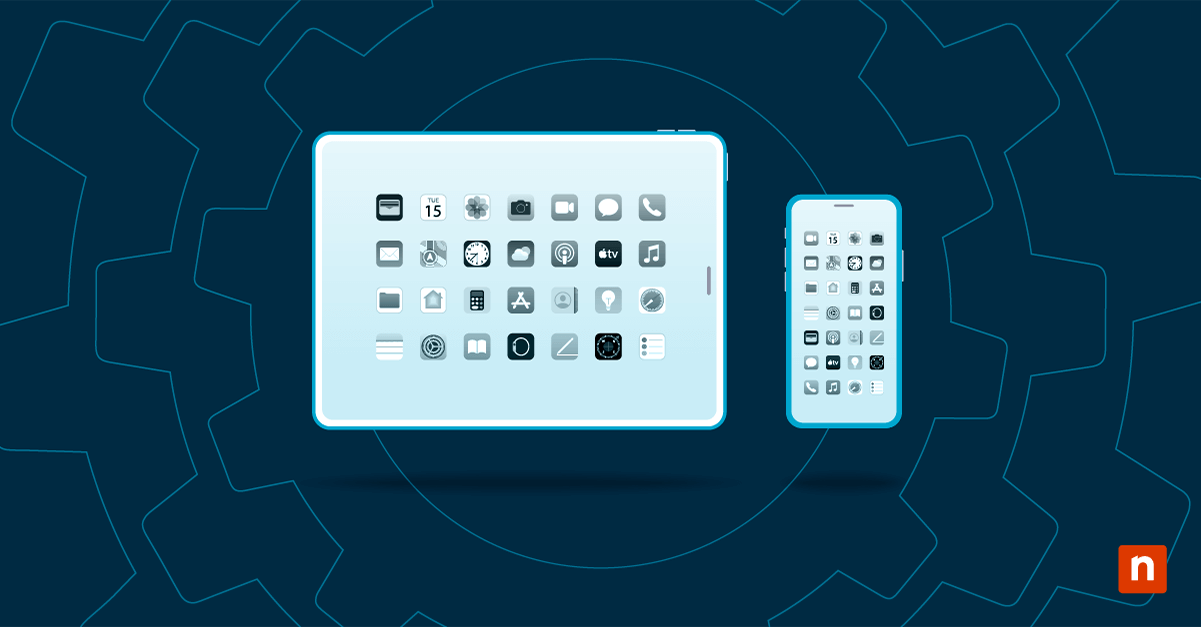
Shared iPad mode is an Apple-exclusive deployment mode that allows multiple users to log in to the same iPad while keeping their data and settings separate.
It was originally developed for educational purposes, but it has since been expanded into different environments. These include retail, health, manufacturing, and frontline operations.
Unlike the standard iPad deployment, shared mode drastically changes how users interact with devices and how IT teams manage them.
Understanding the difference between these two is an important step in adopting the shared iPad mode.
In this guide, we’ll discuss how the shared iPad mode works and what makes it different from other shared device models. We’ll also go over the common challenges you need to watch out for when implementing this deployment mode.
Keep reading to learn more about the security and privacy implications of the shared iPad model.
IMPORTANT: Note that NinjaOne currently doesn’t support shared iPad mode. However, we do provide iPad MDM, and we are continuously expanding our platform to meet essential IT needs. To see past and upcoming releases, please check our product roadmap.
What is shared iPad mode, and how does it work?
Shared iPad mode is a built-in Apple feature that lets multiple users use the same iPad without their data crossing paths. In this setup, each user gets their own managed Apple ID, complete with a separate home screen and data space.
Once they’re done using the iPad, their data will be saved on iCloud, and the device will be ready for the next person to use.
Ideal use cases
The shared iPad mode works best when the workflows are repeatable but don’t require deep personalization. It’s perfect for:
- Shift-based or rotating staff: Employees sign in for a shift, do their work, log out, and then come back to the same device later.
- Task-focused or role-based workflows: Users need access to a specific set of apps or tools to get the job done.
- Simple, locked-down app environments: Each device should be locked to a small, approved set of apps that support the organization’s core workflows.
Shared iPad mode vs shared device model (SDM)
A lot of users confuse Apple’s shared iPad mode with Microsoft Intune’s Shared Device Model (SDM), but in reality, they’re two very different deployment modes.
Shared iPad mode is exclusive to Apple products. Meanwhile, Microsoft Intune’s SDM is a cross-platform Intune identity feature that turns an Intune-enrolled iOS device into a multi-shift device.
Unlike shared iPad mode, which gives each user their own managed Apple ID, Intune’s SDM wipes out all user data after each sign-out. Once the user signs out of the device, the device will be reset. Everything, from the user’s data and specific settings, will be deleted.
Simply put, shared iPad mode prioritizes the user, whereas Intune’s SDM focuses on the session.
Another key difference between these two deployment modes is management scope. Shared iPad mode relies on Apple’s own frameworks and services, such as Managed Apple IDs and Apple Business Manager.
Intune’s SDM, on the other hand, uses Microsoft’s identity and device management stack. This means that you can easily tie it to Conditional Access, compliance policies, and app controls you’re already using in Intune.
So, although both options allow multiple users on one device, they’re designed for different scenarios. Shared iPad modes are ideal for learning or working environments where users need their data saved, whereas SDM is more suitable for quick handoffs and shift-based settings.
Knowing the difference between these two is the key to picking the right deployment model for your environment.
Key factors to keep in mind before using shared iPad mode
Shared iPad mode can do well in multi-user environments, but it’s not something that you roll out without proper planning. There are several factors that affect how well the deployment works, such as:
Security and privacy
Shared iPad mode can effectively prevent accidental data leaks and reduce the risks of device sprawl. Each user’s information is isolated, and session data is cleared out upon logout.
However, poor user lifecycle management can still introduce risks to your environment. Proper identity planning and continuous account management should be observed to prevent old, unused accounts from becoming threats.
Performance and user experience
The number of active user profiles enrolled in a device directly affects its performance. The more users you load onto a single iPad, the slower the login and app launch processes will be.
Another key factor that significantly impacts a device’s performance and overall usability is app design. Tools built with the shared iPad mode in mind behave much better than those designed for single users only.
Storage allocation and performance tuning are also vital in keeping your iPads working well. If there’s not enough storage for all the user profiles, they may experience lag and unexpected behavior.
Network connectivity
Shared iPad mode relies heavily on network access, so if a user has a limited or unreliable internet connection, they’ll have a hard time signing in to their Managed Apple IDs.
Common challenges with shared iPad mode and how to solve them
Here are some of the most common issues administrators face with shared iPad mode and how you can fix them:
User can’t sign in
If a user is having trouble signing in to their Managed Apple ID, their user profile may be inactive, or they may be having connection issues. To solve this, check whether the account is still available and whether the device is connected to the internet.
Slow performance
Slow performance is often caused by too many active user profiles on one device. You should review the number of Managed Apple IDs enrolled in the device and remove any inactive or expired accounts you may find.
An app is not available
Not all applications support the shared iPad mode; some tools need to be deployed through a Mobile Device Management (MDM) software to work.
The best approach to this issue is to verify if the app is compatible with shared iPad mode and confirm its assignment scope.
User data is missing
This issue is typically caused by app behavior. Some apps don’t store data in locations that support shared iPad mode, while others can’t handle profile switching properly.
In these cases, you want to review the app’s shared iPad support documentation and check if it supports persistent user data across sessions.
Making shared iPad mode work for your organization
Shared iPad mode can be a great solution for multi-user iPad deployments in business environments, but only when used for the right scenarios. A successful rollout requires understanding its design, limitations, and ideal use case.
When you plan around its limitations, shared iPad mode can help you deliver a secure and efficient work experience without sacrificing performance or security.
Related topics: