Key Points
- Define CIPA Scope: Schools and libraries receiving E‑Rate funding must certify compliance annually.
- Implement Technology Protection Measures: Enforce age‑appropriate content filters to block obscene and harmful material.
- Adopt Board‑approved Safety Policies: Formal internet safety policies must address inappropriate access, hacking, and personal data disclosure.
- Monitor Online Activity: Schools must document and review minors’ internet usage with centralized dashboards.
- Align Device Management With Compliance: Use MDM solutions to enforce consistent controls, secure networks, and maintain audit readiness.
The Child Internet Protection Act (CIPA) outlines online safety requirements for minors in federally funded schools and public libraries. And as harmful content becomes more accessible online, it’s up to technology directors to go beyond simple web filtering for long-term CIPA compliance.
Foster safe environments with optimized visibility. This guide explains how IT teams can implement CIPA filtering.
Go beyond CIPA filtering with in-depth device management
Public schools (K-12) and libraries receiving E-rate federal funding are legally required to follow CIPA’s regulations.
Understanding CIPA scope and applicability
CIPA applies to public schools (K-12) and libraries receiving E-Rate federal funding. This regulation seeks to enforce an Internet Safety Policy, monitor activity, and educate minors. Institutions must certify compliance annually to remain eligible.
E-Rate is a US federal initiative that provides 20-90% discounts on online resources and internal broadband infrastructure for underserved schools and libraries. The program provides $4 billion annually to eligible institutions for their telecom equipment, and CIPA compliance certification is needed to access these discounts.
Content filtering and technology protection measures
Certified schools and libraries must enforce strong content filters for harmful content, also known as Technology Protection Measures (TPM).
These are meant to block access to obscene materials, pornography, and other material harmful to minors. That said, your content filters should also be age-appropriate and configurable to avoid over blocking educational resources. Tools you can use to enforce CIPA include:
- NinjaOne MDM
- ManagedMethods
- Control D
- Lightspeed Systems
Internet safety policy requirements
Policies must be board‑approved after public notice and hearing. This ensures transparency and community involvement in CIPA compliance. Best policy targets include:
- Access to inappropriate material (for example, use web filters that block access to adult websites)
- Online guardrails for minors (for example, restrict social media use during school hours)
- Hacking prevention (such as enforcing strong passwords and banning software installations)
- Disclosure of personal information (for example, preventing address sharing on public forums)
- Access restrictions to harmful materials (like filtering sites that promote illegal activities)
Monitoring and supervision expectations
Schools are legally obligated to monitor minors’ online activities to maintain compliance. To do this, prioritize web activity reporting, device usage oversight, classroom supervision, and online session monitoring.
These sessions need to be documented and reviewed regularly, making centralized dashboards with real-time monitoring essential.
Aligning device management with CIPA requirements
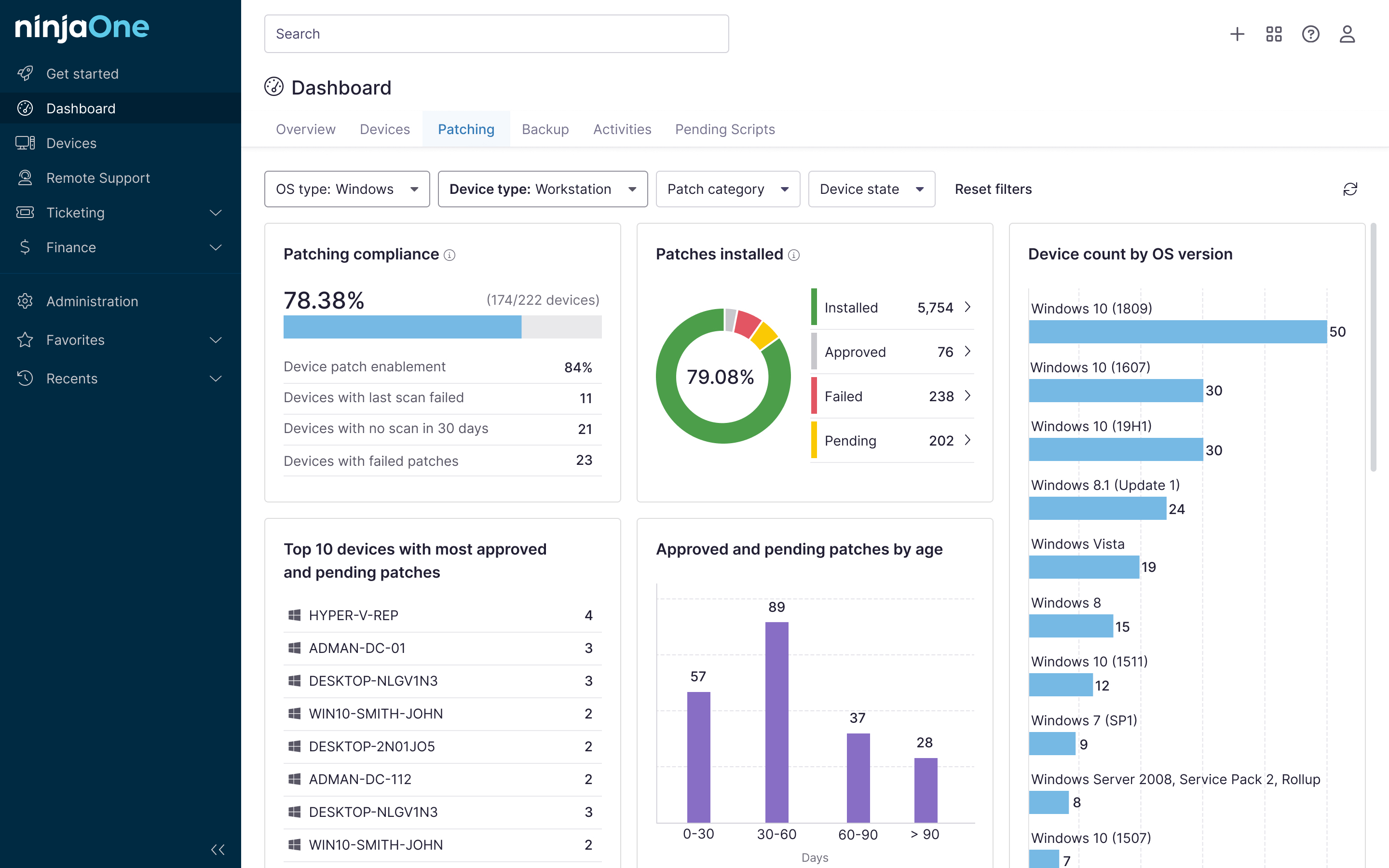
Enforcing limits on the device level helps achieve CIPA compliance faster. With filter policies, restricted apps, limited administrator privileges, and secured networks, administrators can apply consistent controls across student endpoints. Incorporating mobile device management solutions helps get this done with less risk.
🥷🏻| All-in-one dashboards provide extra visibility and more control.
Maintaining funding eligibility and audit readiness
Failure to comply with CIPA can result in a loss of E-rate funding. To avoid this, your institution should maintain documentation of the filtering tools you use as well as your board-approved policies. And use legal counsel as a guide when aligning your IT practices with federal and state regulations.
Cement CIPA compliance via centralized control
CIPA requires schools and libraries to comply with federally outlined internet guardrails to protect minors on the internet. Institutions that combine a managed IT environment with statutory requirements ensure CIPA eligibility and audit readiness.
Related topics: