Key Points
- OpenTelemetry standardizes the collection of traces, metrics, logs, and profiling to provide a unified view of system health across any digital infrastructure.
- This framework eliminates vendor lock-in by decoupling data generation from analysis tools, so you can switch monitoring platforms without changing your application code.
- The OpenTelemetry Collector acts as a strategic intermediary that allows teams to clean, redact, and route telemetry data before reaching an analysis dashboard.
- By automatically linking different data signals with shared IDs, the framework enables engineers to find the root cause of a system failure in minutes, not hours.
- Use built-in features like smart sampling and data redaction to lower your monthly storage bills while keeping sensitive user information private.
- OpenTelemetry is most valuable for scaling complex microservices and multi-cloud environments where traditional, siloed monitoring tools struggle to provide a complete picture.
Frustrated by fragmented tools during a system outage? OpenTelemetry monitoring replaces proprietary silos with a unified standard for collecting performance data across any environment.
In this guide, you will learn how this framework simplifies observability and gives you total control over your system visibility.
What OpenTelemetry introduces to performance monitoring
OpenTelemetry (OTel) solves a major industry problem: different monitoring tools typically don’t integrate with one another. By standardizing data collection, this OpenTelemetry monitoring framework ensures visibility remains consistent across every part of your digital infrastructure.
The four pillars of visibility
OTel unifies four distinct types of data into a single stream. This allows teams to move beyond basic health checks to a deep understanding of the system.
| Signal | Purpose | Practical Benefit |
| Traces | Maps a single request’s journey. | Finds exactly where delays happen between services. |
| Metrics | Numerical system health data. | Tracks long-term trends like memory or CPU usage. |
| Logs | Chronological text records. | Provides the reason behind a specific system error. |
| Profiling | Code-level performance analysis. | Pinpoints the exact line of code slowing down a task. |
Connected data context
OTel links these signals using shared ID tags. If a dashboard shows a spike in errors, an engineer can click that spike to see the interconnected metrics and logs generated at that moment. This transforms scattered data points into a clear, searchable narrative.
Breaking vendor lock-in
Traditional application performance monitoring often requires using a vendor’s proprietary “agent” that is difficult to remove. With OpenTelemetry monitoring, you instrument your code once. You can then send that data to any OpenTelemetry APM tool, allowing you to switch vendors without rewriting your software.
The central data pipeline
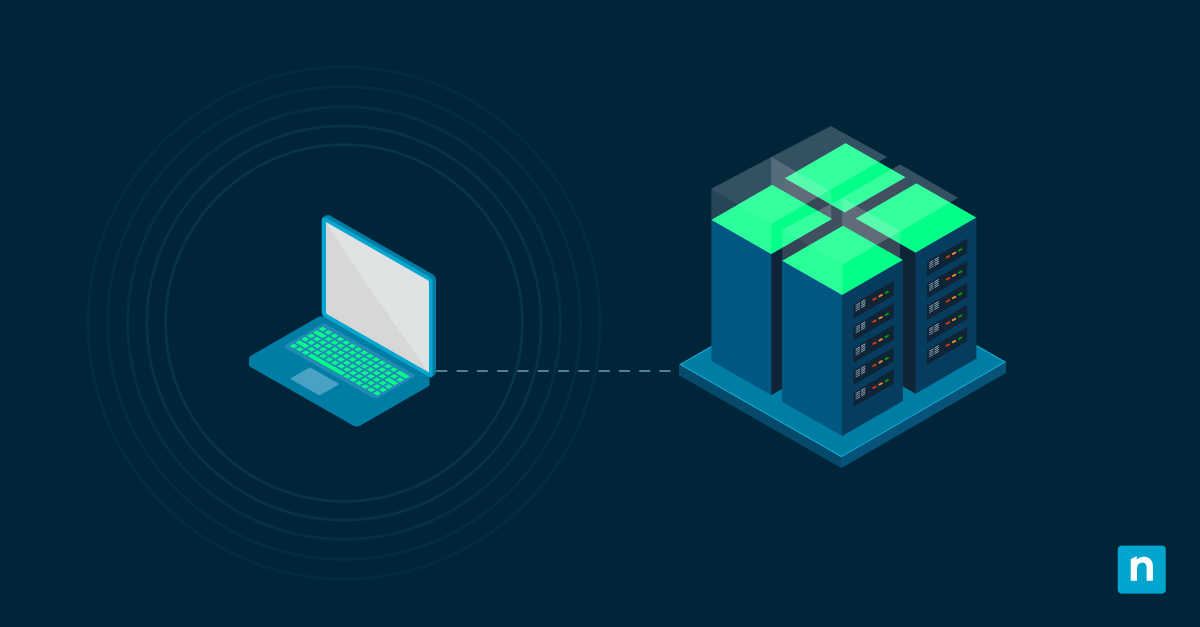
The OTel Collector acts as a “traffic controller” for your system information. It provides three critical functions within your data pipeline before data ever reaches your analysis dashboard:
- Data redaction: Automatically removes sensitive information, such as passwords or personal IDs.
- Smart sampling: Saves money by keeping 100% of error records while discarding “boring” successful tasks.
- Custom routing: Sends the same data to multiple storage and analysis tools simultaneously.
Efficient data delivery
OTel uses a specialized protocol (OTLP) to compress data into small, lightweight packages. This minimizes the impact on network speeds. Furthermore, it enforces common naming rules, ensuring that a User ID is labeled identically across every service in your company.
How OpenTelemetry changes traditional APM models
OpenTelemetry fundamentally shifts the application performance monitoring landscape by separating how data is created from how it is analyzed.
The core purpose of OTel is to replace closed, “black-box” systems with a transparent, open standard. This transition changes the traditional monitoring model in three primary ways:
- The end of proprietary agents: Traditional tools required vendor-specific software that was difficult to remove. With OTel, you instrument your applications once, and that data works everywhere.
- True data portability: Switching your monitoring provider no longer requires a massive engineering project. Because the data format is standardized, you simply point your pipeline to a new destination.
- Simultaneous data routing: You can send your telemetry to multiple backends at the same time. This allows teams to test new tools alongside existing ones without adding extra load to the application.
💡Strategic Impact: Organizations now own their data rather than leasing it in a proprietary format. This shift reduces costs and gives leadership more leverage when choosing an OpenTelemetry monitoring framework.
This modern approach to telemetry monitoring provides several immediate advantages for evolving infrastructure:
- Capture critical signals, like latency and error rates, without modifying your source code.
- Use advanced tail-sampling to ensure you only pay for the most important data, like errors or slow requests.
- Access continuous profiling to see exactly which line of code is consuming the most resources.
- Securely redact sensitive information before it ever leaves your internal network.
In this landscape, APM in OpenTelemetry refers to the analysis and intelligence provided by your chosen tool, rather than the data collection itself. This allows your monitoring strategy to stay flexible as new AI-driven analysis technologies emerge.
By adopting these OpenTelemetry APM standards, you ensure that your visibility grows with your system, rather than being limited by a single vendor’s roadmap.
The role of telemetry pipelines in modern environments
A telemetry pipeline acts as a strategic intermediary that manages how data moves from your applications to your analysis tools.
The four stages of data flow
The OpenTelemetry monitoring framework organizes system information into a structured path. This replaces scattered, disconnected tools with a single, reliable workflow.
- Instrumentation:
- Applications generate raw data signals using standard libraries.
- Collection:
- A central collector gathers these signals from all your different services.
- Processing:
- The pipeline cleans the data, removes sensitive details, and adds helpful context.
- Export:
- The refined data is sent to your chosen OpenTelemetry APM platforms.
Why use a unified pipeline?
A unified pipeline simplifies application performance monitoring by creating a consistent standard across your entire organization.
- Connected insights: Automatically links error logs to the specific slow requests that caused them.
- Faster troubleshooting: Engineers can see the entire journey of a request, making it easier to find a root cause.
- Standardization: Teams no longer need to create unique monitoring logic for every individual service or project.
Strategic gains for business and IT
For leadership and technical teams, OpenTelemetry monitoring pipelines offer essential control over data quality and operational costs.
| Benefit | Technical Action | Practical Value |
| Cost Control | Filter out noisy or low-value data at the edge. | Significantly lower monthly storage and ingestion bills. |
| Data Privacy | Automatically mask or remove sensitive user information. | Helps maintain compliance with data privacy regulations. |
| Flexibility | Route the same data to multiple tools simultaneously. | Allows you to test or switch vendors without touching code. |
By managing the purpose of telemetry monitoring through a centralized pipeline, organizations ensure their visibility is scalable, secure, and cost-effective.
The benefits for IT and development teams
OpenTelemetry significantly improves how development and operations teams work together to maintain and scale complex software.
Impact on daily workflows
While previous sections focused on the “how,” these benefits highlight the “why” for the people building and running the systems.
- Unified development: Developers use a single, consistent way to add monitoring to their code, regardless of the programming language or service.
- Shared Visibility: Both the Devs and Ops see the same data in the same format, ending arguments during outages.
- Faster troubleshooting: By automatically linking related events, teams can identify the root cause of a failure in minutes instead of hours.
- Cloud-native readiness: The framework is built to handle the massive scale of modern cloud environments and Kubernetes without extra manual effort.
Comparing team efficiency
The shift to OpenTelemetry monitoring changes the day-to-day experience for technical staff.
| Activity | Without OpenTelemetry | With OpenTelemetry APM |
| New Service Setup | Configuring unique, proprietary agents. | Using a standard, pre-built library. |
| On-Call Response | Searching through disconnected tools. | Following a single, connected request map. |
| Tool Upgrades | Large-scale code rewrites. | Simple configuration updates. |
| Data Analysis | Manually matching logs to metrics. | Automated correlation via shared ID tags. |
Better scalability and diagnostics
As systems grow, the OpenTelemetry monitoring framework ensures that visibility doesn’t become a bottleneck. Because instrumentation is standardized, adding a hundred new microservices doesn’t increase the complexity of your monitoring setup.
This leads to more accurate diagnostics. Instead of guessing where a delay occurred, IT professionals use high-fidelity traces to see exactly which service, or even which line of code, is underperforming. This precision allows teams to spend less time on maintenance and more time on high-value development.
Challenges and considerations of OpenTelemetry monitoring
Adopting an OpenTelemetry monitoring framework offers immense freedom, but it also introduces specific technical and operational hurdles that teams must navigate.
Core implementation hurdles
Successfully shifting to OpenTelemetry APM requires addressing these five key areas:
Performance overhead
Generating and sending data consumes CPU and memory. In high-traffic systems, automatic instrumentation can increase resource usage significantly. IT professionals must carefully balance the depth of data collection against the potential for system latency.
Configuration complexity
The OTel Collector uses detailed YAML files that can become difficult to manage at scale. Without strict version control, settings can vary across different regions, leading to inconsistent data and troubleshooting “blind spots.”
Signal maturity
Not all signals are production-ready. While distributed tracing is stable, features like logs and continuous profiling are often in Alpha or Beta stages. This means developers may face breaking changes as the framework evolves in 2026.
The data tax
The purpose of telemetry monitoring is clarity, but excessive data creates high storage bills. Teams must use tail-sampling to keep only the most important error records, ensuring they don’t pay to store “boring” successful tasks.
Security risks
Telemetry pipelines can accidentally capture passwords or personal user IDs. Organizations must configure redaction processors to mask this sensitive information before it leaves the local network, ensuring compliance with privacy regulations.
When OpenTelemetry delivers the most value
OpenTelemetry is most effective in complex environments where a single, closed monitoring tool cannot provide a complete view of all moving parts.
Ideal use cases for the OpenTelemetry framework
While traditional application performance monitoring works for simple websites, the OpenTelemetry monitoring framework is designed for high-scale, modern infrastructure.
- Microservices and containers: If your system uses Kubernetes or dozens of small services, OTel tracks how a single request moves through every part of the chain.
- Multi-cloud strategy: It provides a single way to monitor applications regardless of whether they run on AWS, Azure, or private servers.
- High data volumes: The purpose of telemetry monitoring at scale is as much about cost as it is about visibility. OTel allows you to filter out noise to lower storage bills.
- Vendor independence: It is perfect for teams that want the freedom to switch between different OpenTelemetry APM providers without changing their code.
Business and technical advantages
Using an open standard shifts the focus from just collecting data to getting answers.
| Business Goal | How OpenTelemetry Helps | Practical Result |
| Control Costs | Discard boring data at the edge. | Lower monthly bills for data storage. |
| Fix Bugs Faster | Link logs, metrics, and traces. | Reduced downtime and faster repairs. |
| Avoid Lock-In | Use a standard data format (OTLP). | Switch analysis tools in minutes, not months. |
| Future-Proofing | Adopt new AI analysis tools easily. | Stay compatible with the latest tech. |
Industry-specific applications
Different sectors use OpenTelemetry monitoring to solve unique performance and compliance challenges:
- Financial services: Tracking high-speed transactions while meeting strict security and audit rules.
- E-Commerce: Managing massive traffic spikes during holiday sales by scaling data collection up or down.
- SaaS providers: Monitoring the specific performance experienced by each individual customer account.
- AI development: Standardizing how performance is tracked across complex AI pipelines and models.
Should you switch?
You will find the most value in APM in OpenTelemetry if your team spends too much time manually searching through different tools or if your current monitoring bills are growing faster than your business.
For smaller, standalone applications, traditional tools may suffice; however, for any system designed to scale, OpenTelemetry provides the necessary foundation for long-term growth.
Future-proof your observability pipeline with OpenTelemetry monitoring
As systems grow, adopting OpenTelemetry monitoring is no longer optional for maintaining clear system visibility. By standardizing data pipelines and separating collection from analysis, it delivers unmatched flexibility and scalability. Align your tools and processes now to ensure long-term operational sovereignty.
Related topics