
Key Points
- Multicast traffic efficiently delivers a single data stream to multiple endpoints simultaneously.
- Multicast network issues are usually caused by configuration and visibility gaps, not the protocol itself.
- Improper multicast handling can lead to network congestion and unexpected traffic patterns.
- Multicast-related problems often present as indirect or intermittent symptoms, such as sudden spikes in network utilization, unexplained traffic, and inconsistent performance degradation.
- Multicast traffic paths are less obvious than unicast, and issues may originate far from affected endpoints, complicating root cause analysis.
- Effective multicast troubleshooting requires understanding traffic origin, group membership, and replication behavior before making changes.
Multicast traffic is designed to efficiently deliver the same data stream to many different endpoints all at once. It’s commonly used for services like streaming media, discovery protocols, and certain infrastructure communications.
However, despite its efficiency, multicast network traffic is frequently associated with network instability, congestion, or unexpected traffic patterns. These issues aren’t inherent, however, and often stem from misunderstanding how multicast behaves rather than from faulty hardware or software.
What multicast traffic actually does
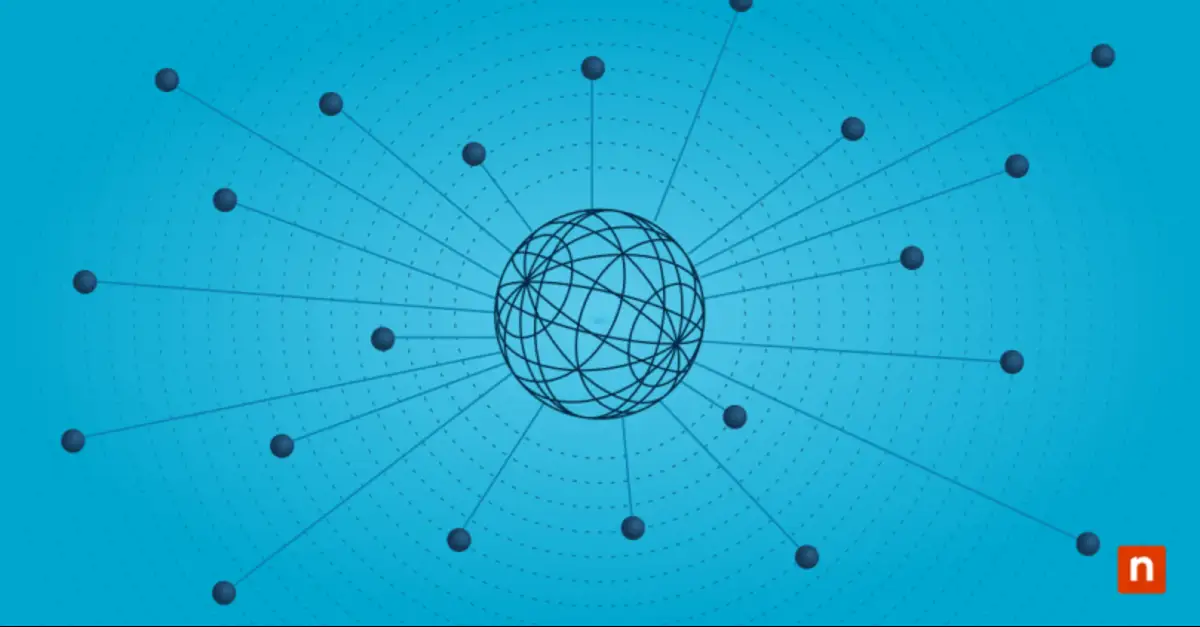
Multicast traffic means that a single data stream is sent to multiple recipients simultaneously, which stands in contrast to unicast traffic, which is a one-to-one direct communication between sender and recipient. Aside from that, multicast differs from unicast because it:
- Relies on network devices to replicate traffic intelligently
- Depends on receivers explicitly joining or leaving groups
Multicast traffic behavior requires coordination across the network. You need to have a proper hardware setup to ensure that your data is transmitted properly to all endpoints.
Why multicast behaves differently than expected
Multicast traffic has many use cases and benefits. However, if improperly configured or utilized, it can lead to some problems. Some situations where they can cause issues include when:
- Your network devices don’t manage group membership correctly.
- Traffic replication occurs where it should not.
- Multicast is treated like broadcast traffic.
When these things happen, traffic reaches devices that did not request it, which can lead to security and network issues.
Common symptoms of multicast-related problems
Multicast traffic issues happen in a multitude of ways. Here are some common problems you may encounter when using it:
- You see sudden spikes in network utilization.
- There is intermittent performance degradation in your network.
- You detect unexplained traffic on segments.
- Some of your devices are receiving traffic they did not request.
These symptoms can resemble other network problems. It’s important to stay watchful and ensure that you’re monitoring your network carefully to ensure that you diagnose your network problem properly.
Why multicast problems are hard to troubleshoot
Many MSPs find multicast issues hard to detect and troubleshoot. Here are a few reasons why they might have difficulties with resolving issues for multicast situations and devices:
- Multicast traffic paths are less visible than unicast, making them harder to monitor.
- Problems may originate far from affected devices, meaning IT administrators may not be actively monitoring them.
- Symptoms appear indirect rather than explicit, which makes them harder to detect and diagnose.
This often leads to trial-and-error changes that mask the real cause, which in turn may result in issues continuing to fester and more downtime.
Thinking about multicast issues before changing settings
When encountering network issues, it may be due to multicast traffic issues. So, before you start applying configuration changes to your network, you first need to ask:
- Where is the multicast traffic originating
- Which devices are intended receivers
- Where replication is occurring
- Whether multicast is required for the workload
Answering these questions first and diagnosing the problem properly will reduce unnecessary disruption. This means fewer user complaints and downtime for your organization.
Common diagnostic blind spots in multicast networking
| Issue | Consequences of incorrect diagnosis |
| The multicast is mistaken for a broadcast. | This will lead to overblocking, or you may end up disabling required traffic. |
| Multicast network performance issues are treated as endpoint issues. | This ignores underlying network behavior, meaning you won’t be able to troubleshoot the problem properly. |
| Configuration changes are applied without any visibility. | This creates new problems for your network while hiding old ones. The compounding issues will further compromise performance. |
| Multicast is disabled for all your devices. | This will break all the services that rely on multicast network traffic. |
How NinjaOne can help you with multicast network traffic
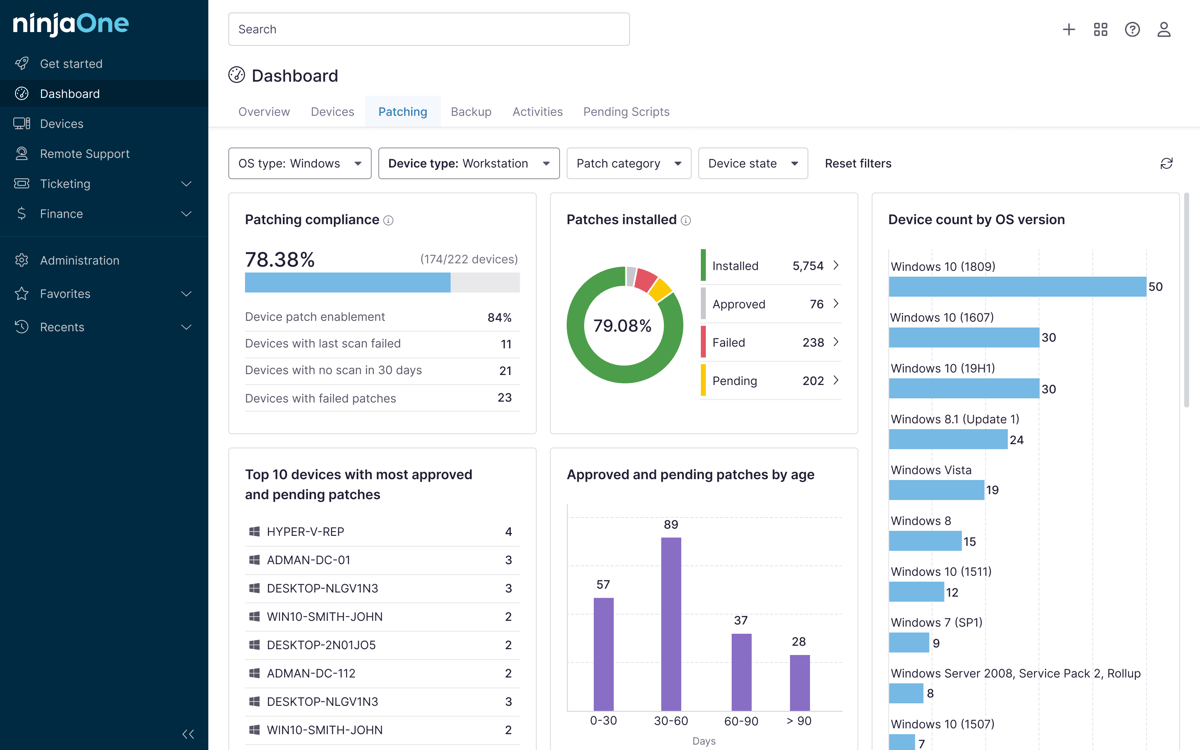
Multicast network traffic is more involved with your own network design and network monitoring than anything else. However, you can still use NinjaOne tools to monitor all your endpoints so you can more easily correlate their symptoms with network conditions. This will provide you with the necessary context to make an informed diagnosis instead of making reactive and possibly unnecessary configuration changes.
Make the most of your multicast network traffic knowledge for diagnosis and troubleshooting
Multicast networking is a powerful but often misunderstood network mechanism that’s used in a wide variety of ways in several organizations. However, it can also break down and cause issues that may go undetected if you’re not properly looking out for it.
This means you have to stay on your toes when monitoring your multicast network. Once you understand how multicast traffic behaves and why it causes indirect symptoms, you can more easily diagnose issues more accurately and avoid disruptive changes that do not address the underlying problem.
Related topics: