
Key Points
- Database sharding splits huge datasets across multiple independent servers to achieve true horizontal scaling and bypass the physical hardware limits of a single machine.
- The distributed system uses a central metadata map and a routing proxy to efficiently direct user queries to the specific server holding the required data.
- Selecting an optimal shard key is the most critical design decision, as it ensures even data distribution across the network and prevents localized performance bottlenecks.
- Sharding should be implemented only when data volume permanently exceeds single-node capacity, since it introduces permanent architectural complexity and high operational overhead.
- Before adopting a sharded architecture, organizations should always explore simpler, highly effective alternatives like vertical scaling, read replicas, local partitioning, and memory caching.
When a rapidly growing application exhausts a single server, simply upgrading hardware isn’t enough. To prevent slowdowns, organizations implement database sharding to distribute massive datasets across multiple machines.
In this guide, you will learn how this horizontal scaling architecture works and exactly when to use it.
Understanding database sharding
When data outgrows a single server, organizations must scale. Database sharding is a method that splits a large database into smaller pieces called shards, distributing them across multiple independent servers.
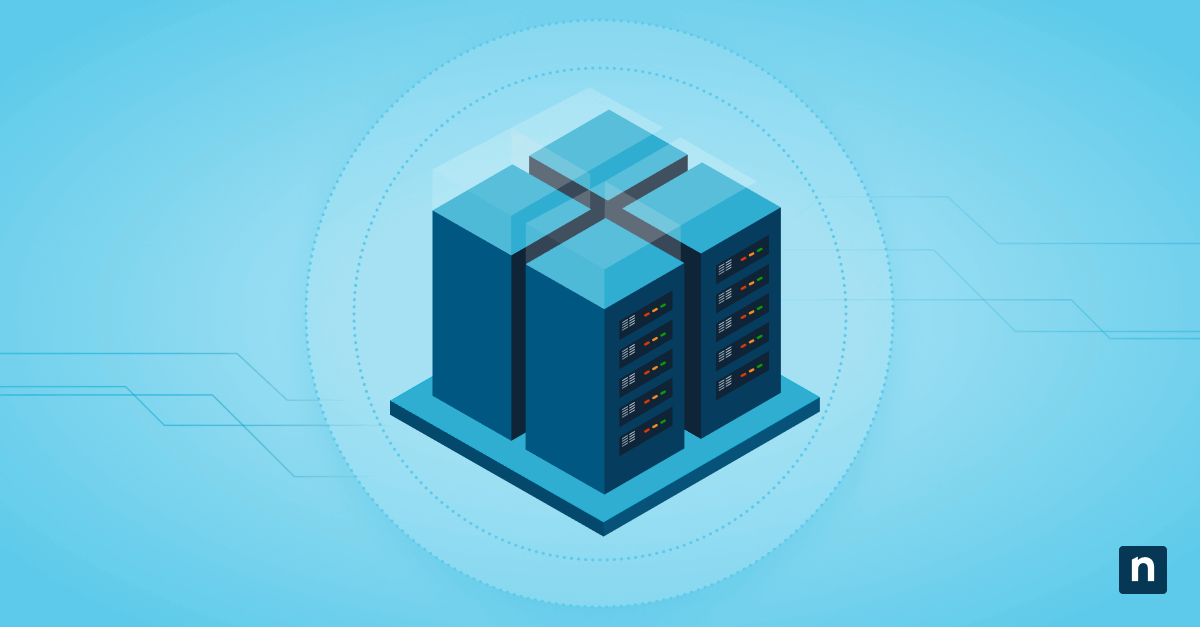
Each shard holds a unique portion of the total data. This distributed database architecture spreads both storage and user requests across many machines. Processing tasks in parallel prevents hardware bottlenecks and speeds up performance for massive datasets.
Its difference from partitioning is that partitioning organizes tables within a single database instance. Sharding physically separates the data across entirely different servers, ensuring true horizontal database scaling instead of relying on one machine.
How database sharding works in practice
A sharded database architecture efficiently manages massive datasets by dividing the system into three primary components.
| Component | Primary Function |
| Shards | Independent database servers that store specific portions of the total dataset. |
| Routing Layer | A system proxy that intercepts and directs incoming user queries to the correct server. |
| Metadata Layer | A central map that tracks exactly how and where data is distributed across the network. |
When an application makes a query, the distributed system executes a precise sequence to retrieve the information:
- Locate: The system checks the metadata layer to determine exactly which shard holds the requested data.
- Route: The routing layer sends the query directly to that target shard. If a request requires broad information, it broadcasts the query to all available shards.
- Return: The system retrieves the results, combines them if they were pulled from multiple servers, and delivers the final answer to the user.
This coordinated process allows organizations to handle large datasets efficiently across multiple systems, bypassing the physical hardware limits of a single machine.
Why organizations implement database sharding
Organizations primarily use this strategy to address severe scalability challenges when a single system can no longer support rapid growth.
Database sharding enables true horizontal scaling by distributing a single dataset across multiple servers. Unlike vertical scaling, which requires expensive hardware upgrades, sharding allows you to add standard nodes as volume grows. This ensures your infrastructure remains scalable without hitting physical capacity ceilings.
Transitioning to a distributed database architecture offers several practical advantages:
- Handles massive, continuously growing volumes of data by adding standard servers to the network.
- Supports high read and write throughput by processing multiple user requests in parallel.
- Reduces the operational load on individual database nodes, preventing severe hardware bottlenecks.
- Enables distributed networks that keep the broader application running even if one specific server fails.
The importance of shard keys in distributed database architecture
A shard key is the foundational column that dictates exactly how information is distributed across independent servers in a sharded cluster.
Selecting this key is the most important decision when evaluating database sharding strategies. An optimal key ensures no single machine is overwhelmed, directly supporting horizontal database scaling.
An effective shard key must fulfill three primary requirements:
- Even distribution: It must spread data and active workloads uniformly across all available nodes.
- Hotspot prevention: It must prevent traffic surges on a single server, known as a hotspot.
- Efficient routing: It must allow the system to locate specific records quickly.
Conversely, a poorly chosen key undermines the entire distributed system. If one server handles disproportionate traffic, it creates a severe performance bottleneck. This leads to uneven load distribution, increased network latency, and degraded application speeds.
Choosing the correct shard key is critical for long-term system performance. Because changing this key later requires complex and risky data migrations, organizations must analyze their traffic patterns carefully before implementation.
Use Cases: When to implement database sharding
Determining when to deploy a distributed database architecture is crucial. Organizations should transition to horizontal scaling only after vertical scaling, like upgrading a single server’s hardware, is no longer physically or economically viable.
Primary indicators for sharding
- Storage limits exceeded:
- The total data volume permanently outgrows a single machine’s capacity.
- High throughput requirements:
- Massive, continuous read and write operations overwhelm standard hardware.
- Performance bottlenecks:
- System workloads can no longer be handled by a single database instance without severe delays.
Ideal business use cases
- High-traffic web platforms:
- Systems managing millions of concurrent user transactions and active sessions.
- Real-time analytics:
- Environments that process continuous, heavy streams of complex data without interruption.
- Large distributed applications:
- Networks requiring strict geographic data separation and continuous global uptime.
When sharding is unnecessary
For smaller systems, this architectural complexity introduces unneeded operational overhead. If a dataset fits efficiently on one server, or if the workload only requires faster data retrieval, standard database replicas and caching are the better, simpler solutions.
Challenges of database sharding
While sharding improves scalability, it introduces permanent architectural complexity. Adopting a distributed database requires engineering teams to manage several significant technical hurdles.
| Challenge | Why it is a challenge | Standard solution |
| Distributed Data Consistency | Keeping records perfectly synchronized across multiple independent servers is highly complex and can slow down transaction speeds. | Use modern Distributed SQL (NewSQL) systems that automate synchronization, or design the application to accept slight data delays (eventual consistency). |
| Cross-Server Queries | Searching for information that spans multiple nodes requires broadcasting requests across the network, causing noticeable performance delays. | Carefully select a shard key that aligns with common user searches, or duplicate necessary data across servers (denormalization) to avoid network hops. |
| Operational Overhead | Monitoring and managing a network of independent servers is far more expensive and labor-intensive than maintaining a single database. | Adopt fully managed cloud database services (DBaaS) or advanced automation tools to minimize manual network management and infrastructure costs. |
| Complex Maintenance | Routine administrative tasks, including system backups, hardware updates, and disaster recovery processes, become exponentially more difficult with fragmented data. | Deploy specialized distributed management tools (such as Vitess) that automate backups, migrations, and system updates without requiring application downtime. |
These factors make sharding much more difficult to implement and maintain compared to simpler architectures. Organizations must carefully weigh this ongoing operational burden against their performance needs before moving away from standard, single-server setups.
Alternatives to implementing sharding
Because transitioning to a distributed database architecture introduces permanent complexity, organizations should explore simpler scaling solutions first. These alternatives often reduce operational overhead while significantly improving performance.
Vertical scaling
Vertical scaling involves upgrading an existing server’s CPU, RAM, and storage to handle larger workloads. While easier to manage, it is ultimately restricted by the physical hardware limits of the machine. Monitoring resource utilization ensures you know exactly when a vertical upgrade is no longer viable.
Read replicas
Read replicas create secondary database copies to handle query traffic, while the primary server focuses on data writes. This separation significantly improves retrieval speeds for high-traffic applications. It provides a middle ground for scaling without the full complexity of a distributed database system.
Local partitioning
Local partitioning breaks large tables into smaller segments within a single database instance. Unlike sharding, partitioning keeps data centrally located, simplifying maintenance while accelerating query performance. This approach is ideal for managing datasets without the overhead of multi-server coordination.
Memory caching
Memory caching stores frequently accessed data in high-speed RAM to bypass slow database lookups. By offloading routine queries, caching reduces the operational load on primary servers. Implementing caching strategies often eliminates the need for complex architectural changes like database sharding.
Sharding across different database platforms
Implementing database sharding varies significantly depending on the specific software system you use.
| Database platform | Implementation method | How it works |
| MongoDB | Built-in (Native) | Uses built-in routers to direct traffic to specific storage servers based on a chosen shard key. |
| PostgreSQL | Extensions (for example, Citus) | Upgrades standard local partitioning by physically distributing tables across multiple independent servers. |
| MySQL | Middleware (for example, Vitess) | Uses external software as a proxy, making a cluster of independent servers appear as one unified database. |
| Cassandra | Automatic (Native) | Distributes data evenly across the network using built-in algorithms, automatically scaling without manual routing setup. |
These examples demonstrate that horizontal scaling is a universal architectural concept. Regardless of the platform, the fundamental goal of distributing workloads across multiple machines remains the same.
Get limitless scaling with database sharding
When single servers fail under rapid growth, database sharding shatters physical hardware limits. By choosing an optimal shard key and weighing the operational complexity against simpler alternatives, you can successfully implement this architecture.
Using this strategy ensures your systems remain highly scalable and reliable under massive workloads.
Related topics:
- Why Database Backups Require Stronger Protection Than General Data Backups
- Top 10 Common Database Performance Monitoring Pitfalls & How to Avoid Them
- How to Choose the Right Database Encryption Method
- Evaluating the Cost, Benefit, and Risk of Database Backups
- How to Shrink a Volume or Partition in Windows