

Key Points
- Access Lock Screen Settings: Open Settings > Personalization > Lock screen to start customizing your Windows 11 lock screen.
- Choose a Lock Screen Background: Select Windows Spotlight, Picture, or Slideshow to personalize the lock screen with dynamic images, built-in wallpapers, or your own photos.
- Use Custom Photos or Slideshows: Upload a personal image with Browse photos or choose a folder for a rotating slideshow background.
- Adjust Lock Screen Timeout & Screen Saver: Configure screen timeout, sleep settings, and screen saver preferences to control when the lock screen appears.
- Display App Information on the Lock Screen: Use Lock screen status to show updates like weather, calendar events, or email notifications without unlocking your PC.
- Enable Tips and Widgets: Turn on Microsoft tips and tricks and use the Weather and more app to see helpful suggestions and real-time updates directly on the lock screen.
Windows 11 allows you to customize many features of the desktop, menus, and taskbar to create a more personal user experience. You can also change Windows lock screen on your device to reflect your style and display useful information without having to unlock the device.
Alternatively, see the Step-by-Step: How to Change Your Windows 11 Lock Screen video tutorial.
💻 🖥️ 📱Managing multiple devices? Let NinjaOne make it easy.
How the lock screen in Windows 11 works
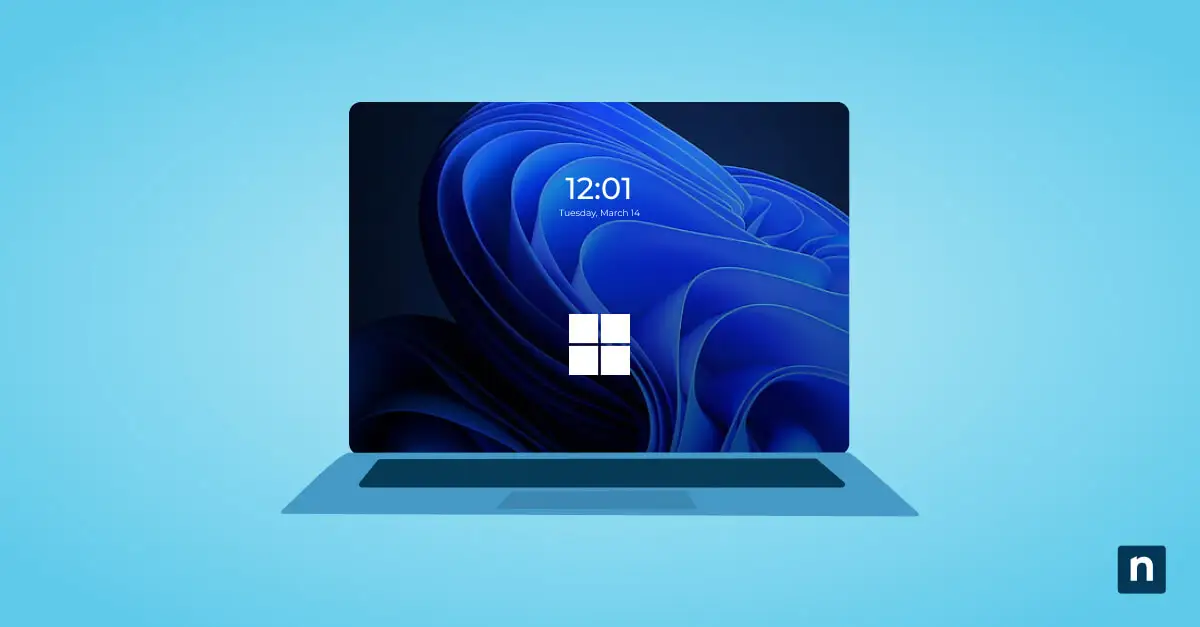
The Windows 11 lock screen is the initial screen that appears when you start your computer or wake it up from sleep mode. The lock screen is a security feature that requires you to enter your password or use other authentication methods to unlock your device. Since only authorized users can gain access to your desktop, it helps protect your sensitive data.
In addition to providing security, the lock screen can be configured to turn on if your computer is inactive, and it can display useful information such as the time, date, and notifications from apps and services.
Why change the lock screen for Windows 11?
While you can leave your Windows 11 lock screen with its factory settings, personalizing it is simple to do and can make your device feel more like your own. Instead of looking at the same default image every time you start your computer, you can change the background image — to a stunning landscape, inspiring quote, or adorable pet — to make your computer more visually appealing.
Another reason to change the Windows 11 lock screen is to add updates you can access without unlocking your computer. You can choose to display the time, weather, tips, and tricks and notifications of calendar notifications or new mail. Seeing this information at a glance will save time and help streamline your day.
Accessing the Windows 11 lock screen settings
To change the lock screen in Windows 11, access the Settings menu by following these steps:
- Click on the Start button in the taskbar. Go to Settings > Personalization.
- On the left side of the Personalization window, click on Lock screen.
After opening the settings, you can start customizing your lock screen right away.
Choose a new Windows 11 lock screen image
You can change your Windows lock screen image by choosing from built-in images, pictures from your own collection or dynamic wallpaper that changes throughout the day.
Follow these steps to choose a new lock screen image:
- In the Lock screen settings, the first option is to change your background.
- You can choose from Windows Spotlight, Picture or Slideshow. Select the option that suits your preference.
- If you select “Windows Spotlight,” Windows will automatically collect new images from the internet and display them on your lock screen. Choose this option if you want fresh lock screen images that update daily.
- Select “Picture” to choose an image provided by Windows 11.
- If you want to use your own image, click on “Browse photos” and navigate to the image you want. Once you select a photo, click on “Choose picture” to set it as your lock screen image.
- If you want to rotate through multiple images, select “Slideshow,” click on “Browse” and navigate to a folder that contains multiple images. Select the folder of your choice by clicking it once, then click “Choose this folder.” Windows will cycle through those images on your lock screen.
Once you’ve chosen your desired lock screen image option, you can instantly see how it will look through the static thumbnail at the top of the settings page. If you’re satisfied with your selection, close the settings window to apply your new lock screen image.
Change Windows lock screen settings
You can customize different settings on the Windows 11 lock screen, including these options:
- Set your lock screen timeout by clicking on “Screen timeout” to adjust the timeout duration. Select “Screen and sleep” (Screen, sleep, & hibernate timeouts in newer Windows builds) and adjust the timeout to any interval from five minutes to never.
- Adjust the settings of your screen saver by clicking “Screen Saver” which will open a separate Screen Saver Settings window. Select a screen saver by clicking the drop-down menu, and set the Wait time to control how long your computer will sit idle before Windows 11 displays your screen saver.
Show app info with Lock screen status
Windows 11 allows you to display detailed information from one app directly on your lock screen. This is useful for seeing updates like upcoming calendar events, new emails, or the current weather, all without unlocking your device. Here’s how you can configure the Lock screen status settings:
- Go to Lock screen > Lock screen status.
- Under “Lock screen status,” click the drop-down menu.
- Select the app you want the details to be displayed on your lock screen (Weather and more, Calendar, or Mail).
Once you have picked the app of your choice, the details from this app will appear alongside the default clock.
The ‘Weather and more’ app
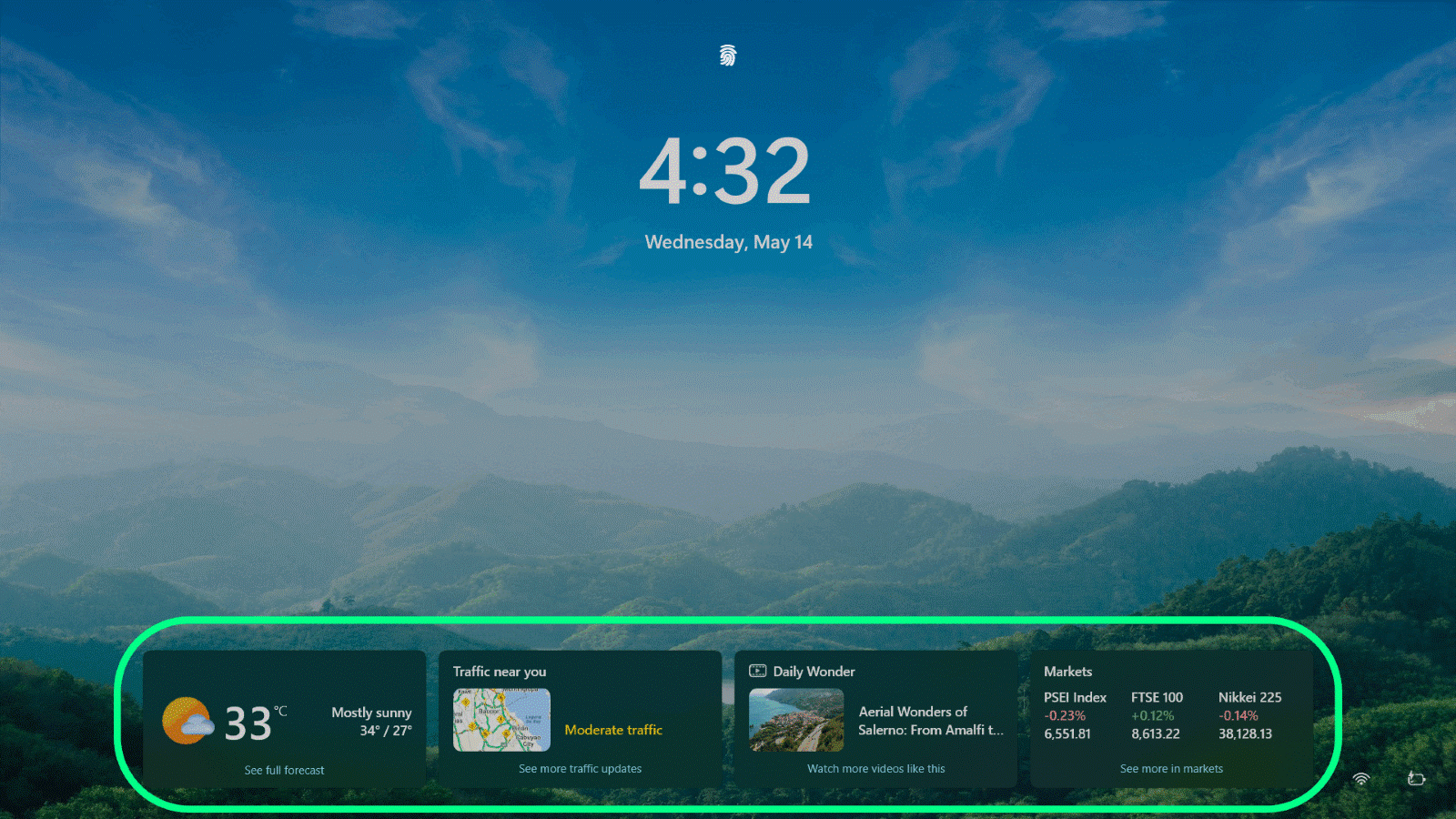
One of the apps that you can choose from the Lock screen status is the ‘Weather and more’ app. It features dynamic widgets that display real-time updates related to weather, traffic, finance, and sports.
Enable Microsoft tips and tricks on the Windows 11 lock screen
Windows 11 offers a feature called Microsoft tips and tricks, which provides helpful information and suggestions on your lock screen. These tips can help you discover new features, learn useful shortcuts and get the most out of your Windows 11 experience. Enable Microsoft tips and tricks on the lock screen with these steps:
- In the lock screen settings, click the box next to “Get fun facts, tips, tricks, and more on your lock screen.” This is located below the background photo selection.
- Toggle the switch to enable Microsoft tips and tricks on your lock screen.
Once you’ve enabled this feature, you’ll start receiving helpful tips and tricks on your Windows 11 lock screen.
→ Transform your IT management with NinjaOne. From lock screen changes to comprehensive endpoint management, we’ve got you covered.
Take control of your Windows devices
Customizing the lock screen in Windows 11 is an easy way to personalize your computer. However, for day-to-day device management and end-user support, you need a more robust solution.
NinjaOne’s Windows endpoint management software lets you automate the daily management of your Windows devices. With our cloud-based solution, setup is fast and can be deployed anywhere. Efficiently scale your IT operations, whether you’re managing a few machines or thousands while giving your remote and hybrid employees the same fast support as on-premises users.
Click here to learn more and start a free trial today.