KB5084067: Overview with user sentiment and feedback
Last Updated May 29, 2026
Probability of successful installation and continued operation of the machine
Overview
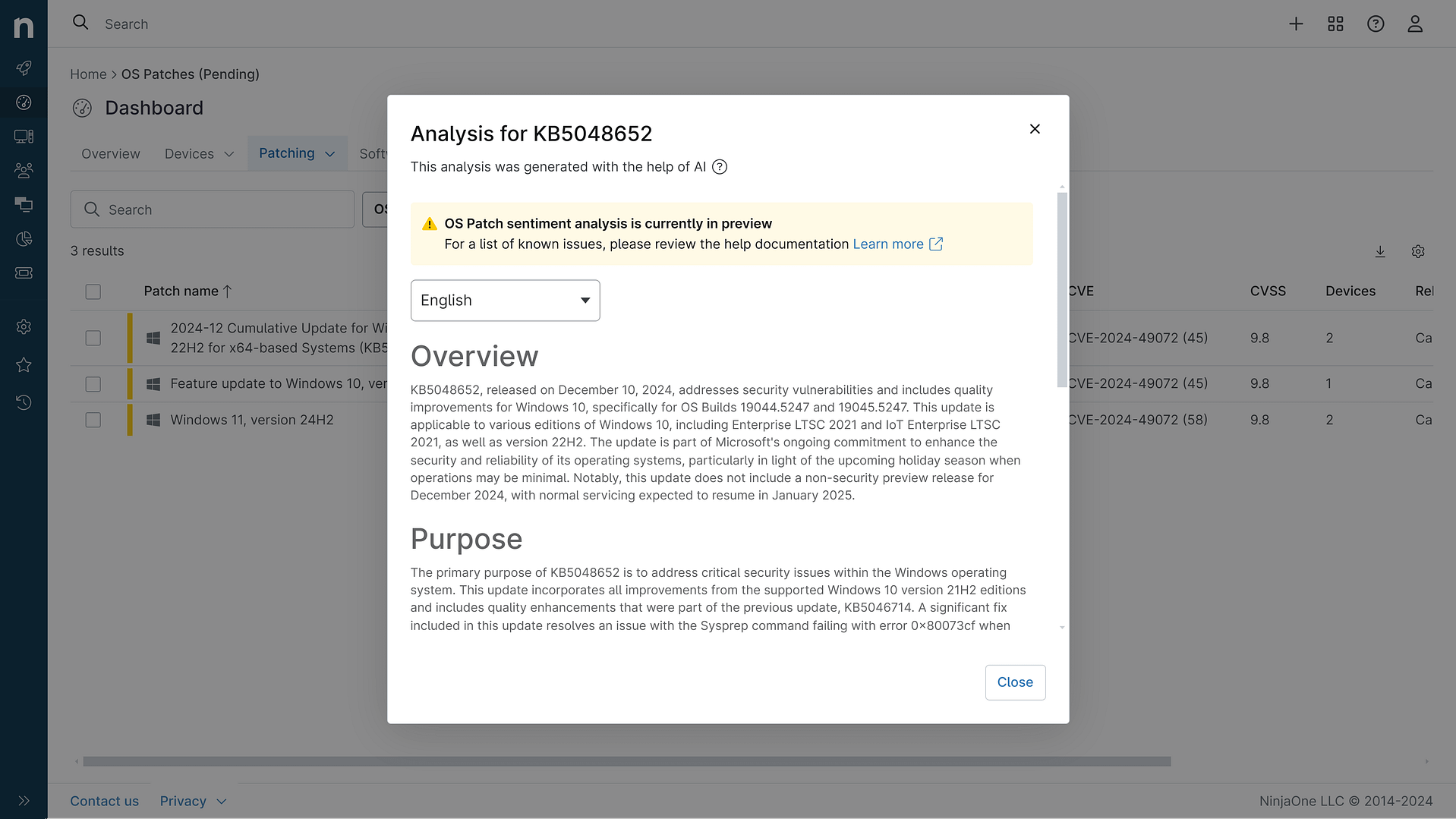
KB5084067 is a cumulative security and quality update for the .NET Framework targeting Windows 10 Version 21H2 systems. Released on April 14, 2026, this patch addresses multiple critical vulnerabilities across .NET Framework versions 3.5, 4.8, and 4.8.1. The update was revised on April 22, 2026, to incorporate a known issues section, indicating Microsoft's commitment to transparency regarding potential installation challenges.
This cumulative update represents Microsoft's ongoing effort to maintain security posture across legacy and current .NET Framework implementations. The patch encompasses six distinct security vulnerabilities, ranging from remote code execution threats to information disclosure risks, alongside quality and reliability improvements designed to enhance framework stability and performance.
General Purpose
KB5084067 serves as a critical security maintenance release for .NET Framework environments on Windows 10 Version 21H2. The primary objective centers on mitigating six identified security vulnerabilities that could potentially compromise system integrity and data security. The update addresses a remote code execution vulnerability (CVE-2026-32178) that represents the highest severity threat, along with multiple denial-of-service vulnerabilities (CVE-2026-32203, CVE-2026-32226, CVE-2026-23666) that could disrupt application availability. Additionally, the patch remediates a security feature bypass vulnerability (CVE-2026-26171) and an information disclosure vulnerability (CVE-2026-33116). Beyond security enhancements, the cumulative update incorporates quality and reliability improvements designed to strengthen framework performance and stability across supported versions.
General Sentiment
The sentiment surrounding KB5084067 is cautiously positive, driven primarily by the critical nature of the security vulnerabilities being addressed. The inclusion of a remote code execution fix demonstrates the necessity of this update for maintaining system security posture. However, the documented installation failure affecting Windows 10 IoT Enterprise LTSC 21H2 systems when deployed through DISM to offline images introduces a significant caveat. This known issue suggests that certain deployment scenarios may encounter obstacles, potentially requiring alternative installation methodologies or manual intervention. Organizations utilizing standard Windows Update or Windows Update for Business channels should experience smoother deployment, while those managing offline or enterprise IoT deployments may face complications. The revision date of April 22, 2026, indicates Microsoft was responsive to identified issues, though the fact that a resolution remains pending suggests the problem may persist for affected users.
Known Issues
- Installation may fail when applied through DISM to an offline Windows 10 IoT Enterprise LTSC 21H2 image; Microsoft is working on a resolution with a fix planned for a future .NET Framework update
Disclaimer: We take measures to ensure that AI-generated content is of the highest possible quality, but we cannot guarantee its accuracy and recommend that users do their own independent research. Generated on 2026-05-29 07:52 PM