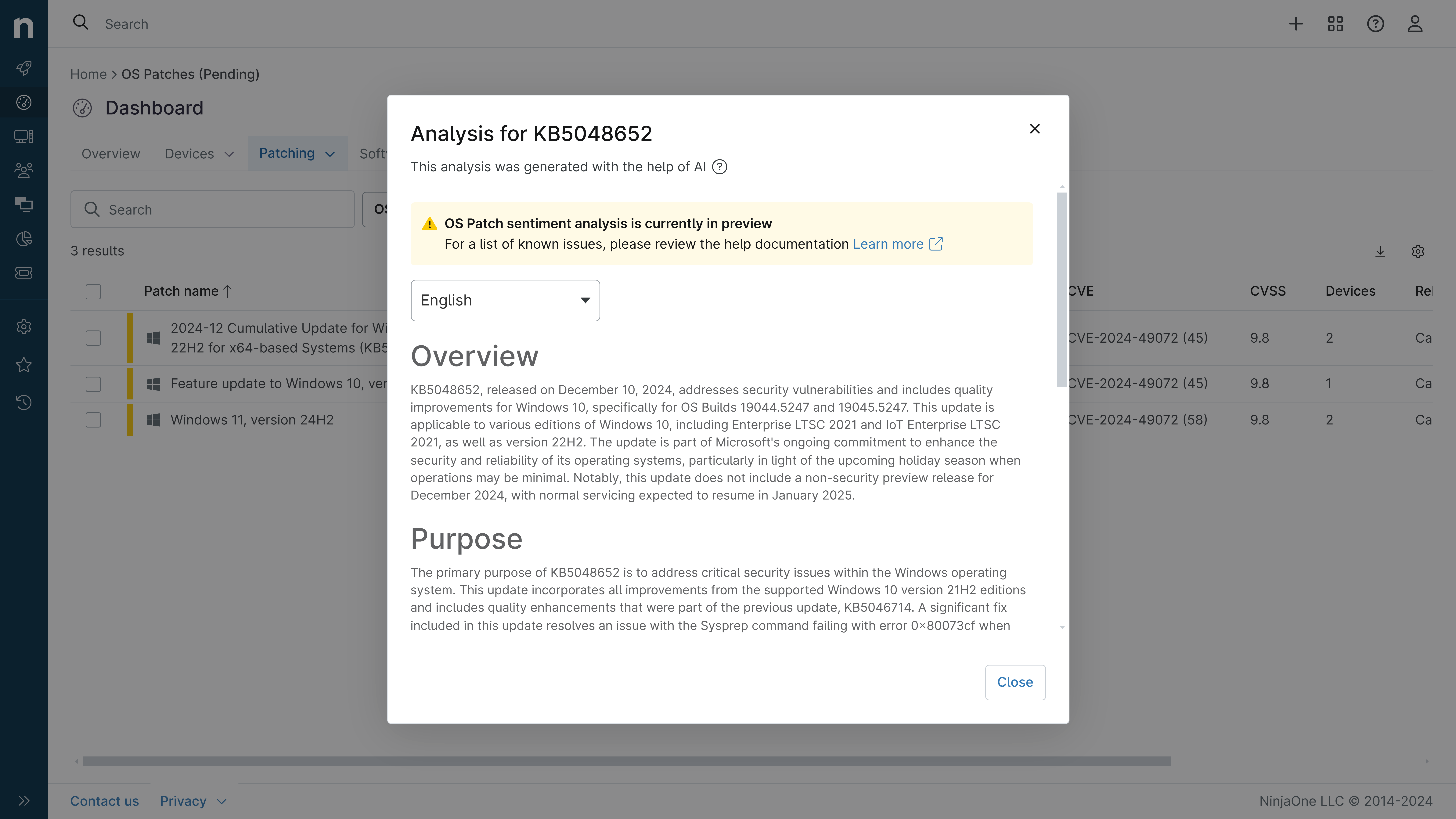
KB5079473: Overview with user sentiment and feedback
Last Updated April 30, 2026
Probability of successful installation and continued operation of the machine
Overview
KB5079473 is a cumulative security update for Windows 11 versions 25H2 and 24H2, released on March 10, 2026, with OS builds 26200.8037 and 26100.8037. This update represents a significant maintenance release that combines the latest servicing stack update with critical security patches and quality improvements carried forward from the previous month's optional preview release (KB5077181). The update addresses multiple system components including Secure Boot certificate handling, File Explorer functionality, Windows Defender Application Control policies, and Windows System Image Manager reliability.
The release has generated considerable discussion within the Windows community, with reports spanning from successful installations to significant installation failures and post-installation complications. Microsoft has documented at least one confirmed known issue affecting Microsoft account authentication across multiple applications, though community reports suggest a broader range of potential problems affecting specific hardware configurations and system setups. The update includes AI component updates applicable only to Windows Copilot+ PCs, along with routine security vulnerability patches detailed in the March 2026 Security Updates guide.
General Purpose
This cumulative update serves as a comprehensive maintenance release designed to fortify Windows 11 security posture while introducing targeted quality-of-life improvements. The primary focus centers on enhancing Secure Boot certificate distribution through improved device targeting mechanisms, enabling a controlled and phased rollout of new certificates to eligible devices. File Explorer search functionality receives attention with reliability improvements when searching across multiple drives or system-wide searches. Windows Defender Application Control receives a critical fix addressing COM object allowlisting policy conflicts that previously resulted in unintended blocking when endpoint security policies exceeded allowlisting policy settings. Additionally, the update improves Windows System Image Manager's reliability by implementing a trusted catalog file selection mechanism with confirmation dialogs to prevent accidental use of untrusted sources. The update incorporates all security fixes from the previous month while maintaining compatibility with existing system configurations and applications.
General Sentiment
Community sentiment regarding KB5079473 presents a notably divided picture. Proponents highlight the security importance of the update and report successful installations without complications on their systems, particularly on newer hardware configurations and systems with minimal third-party modifications. However, a substantial segment of users reports significant installation and operational difficulties, creating a counternarrative that emphasizes the update's problematic nature. Some technical analysts suggest that reported issues stem from third-party software conflicts, outdated BIOS versions, or OEM-specific system modifications rather than inherent update flaws. Conversely, affected users contend that the update's failure rate across diverse hardware platforms indicates a systemic problem rather than isolated edge cases. Microsoft's initial response minimizing reported issues has drawn criticism from users experiencing genuine problems, with some noting that support channels proved unhelpful. The emergence of a follow-up update (KB5085516) specifically addressing Microsoft account authentication failures lends credibility to reports of post-installation complications, though the scope of issues appears broader than officially acknowledged.
Known Issues
- Microsoft account sign-in failures: After installation, users may encounter errors when signing into Microsoft account-dependent applications including Microsoft Teams Free, OneDrive, Microsoft Edge, Excel, Word, and Microsoft 365 Copilot. Error messages may incorrectly indicate lack of internet connectivity despite active network connections. This issue affects only Microsoft account authentication; Microsoft Entra ID authentication remains unaffected. Workaround available through KB5085516.
- Installation failures with error codes: Multiple users report update installation failures with various error codes including 0x80070306, 0x800f0991, and 0x80073712, with some failures occurring even after standard Windows repair procedures (SFC/DISM) return clean results.
- Diagnosis-repair boot loops: Some users experience repeated automatic repair loops upon reboot after update installation attempts, particularly on ARM-based processors and certain AMD configurations.
- System component corruption: Reports indicate potential corruption of system components and applications (including Outlook) that may not be repairable through standard troubleshooting tools, sometimes requiring in-place Windows reinstallation.
- Hardware-specific compatibility issues: Certain hardware configurations, particularly ARM-based processors (Snapdragon), older AMD motherboards with specific microcode, and some OEM-specific systems, appear to experience higher failure rates.
- File system access problems: Isolated reports of inaccessible C: drive and file system errors following installation.
Disclaimer: We take measures to ensure that AI-generated content is of the highest possible quality, but we cannot guarantee its accuracy and recommend that users do their own independent research. Generated on 2026-04-30 01:34 PM