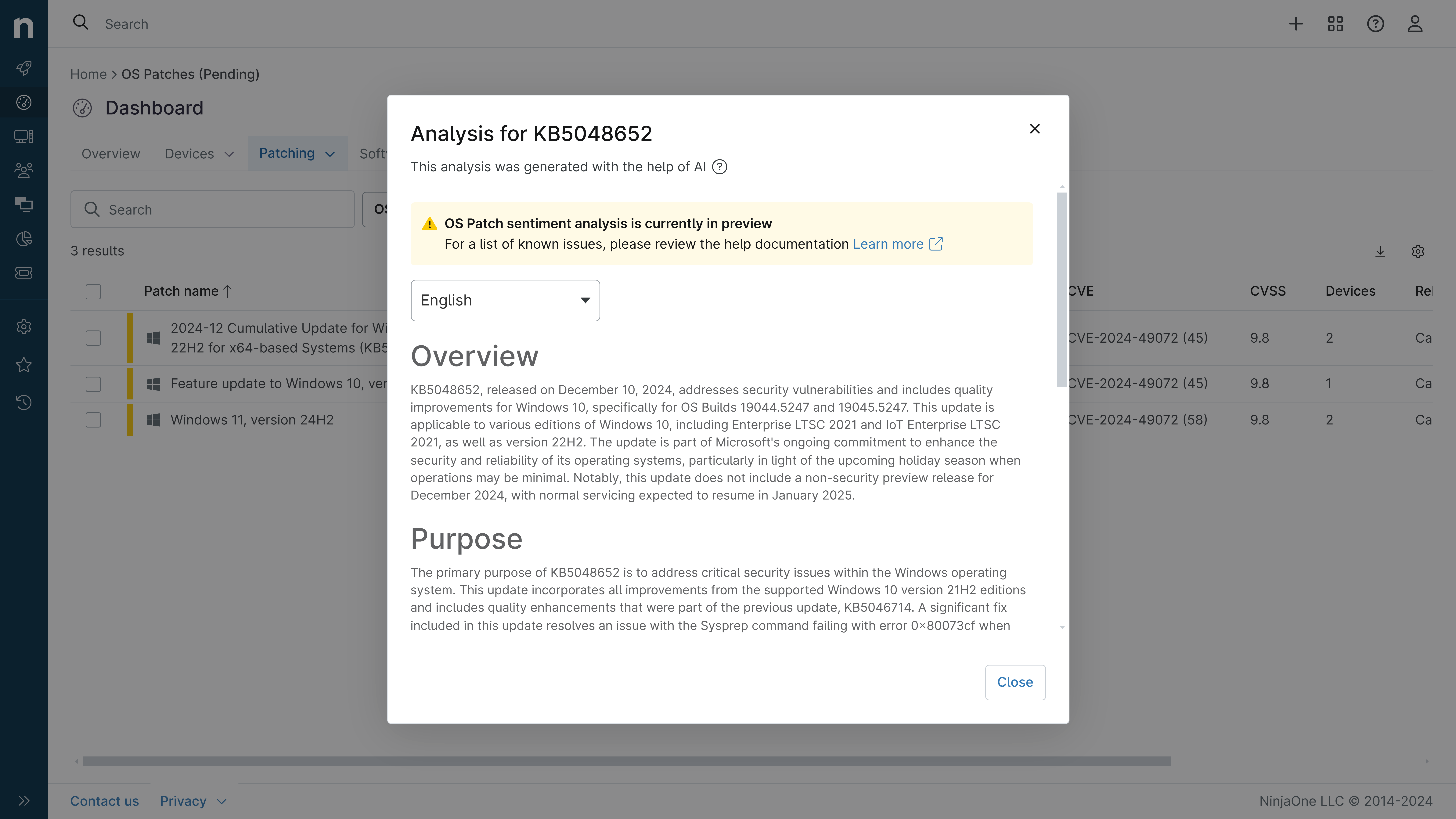
KB5078938: Overview with user sentiment and feedback
Last Updated April 30, 2026
Probability of successful installation and continued operation of the machine
Overview
KB5078938 is a security and quality update released on March 10, 2026, for Windows Server 2016 and Windows 10 Enterprise LTSB 2016 editions, advancing the operating system to build 14393.8957. This cumulative update addresses multiple security vulnerabilities and quality improvements while introducing critical infrastructure changes related to Secure Boot certificate management. The update is particularly significant as it prepares systems for an upcoming Secure Boot certificate expiration event scheduled to begin in June 2026, which could impact device boot capabilities if systems are not updated in advance.
The update encompasses improvements to system security tools and enhanced device targeting capabilities for certificate distribution. Organizations running Windows Server 2016 or the 2016 LTSB variants should be aware that this update requires the latest Servicing Stack Update (KB5075902) to be installed beforehand. The patch represents a continuation of the February 2026 update cycle and maintains Microsoft's commitment to security patching for these legacy but still-supported operating system versions.
General Purpose
This update delivers security enhancements and quality improvements designed to strengthen system security posture and prepare infrastructure for upcoming certificate management changes. The primary focus includes improvements to the Windows System Image Manager, which now incorporates a confirmation dialog to help users validate that selected catalog files originate from trusted sources, reducing the risk of inadvertent use of compromised or unauthorized system images. The update also implements enhanced Secure Boot certificate targeting mechanisms that expand device eligibility for automatic receipt of new Secure Boot certificates, utilizing high-confidence device targeting data derived primarily from client diagnostic information. The rollout of new certificates follows a controlled and phased approach, with devices receiving updates only after demonstrating sufficient successful update signals. Additionally, the update addresses various security vulnerabilities as documented in the March 2026 Security Updates guide. Organizations should prioritize installation to ensure compliance with upcoming Secure Boot certificate requirements and to maintain security posture against identified vulnerabilities.
General Sentiment
Community sentiment regarding KB5078938 is notably limited in available public discussion, which typically indicates either a stable update or limited deployment scope for these legacy operating system versions. The update has been officially documented by Microsoft with no known issues reported at the time of release, suggesting a relatively controlled and tested release. However, isolated user reports from the Microsoft Q&A community reveal a concerning issue affecting Remote Desktop Services licensing on Windows Server 2016 systems, where users experienced "too many users connected" errors following installation. One documented case involved a user who uninstalled the update without resolving the underlying licensing communication problem, suggesting the issue may stem from deeper system configuration interactions rather than a direct patch defect. The proposed solutions involve forcing Remote Desktop licensing policies through Group Policy and potentially addressing ghost RDP sessions that may persist after updates. While Microsoft officially states no known issues exist, the real-world experience of at least one organization indicates potential complications with RDS licensing communication post-installation, warranting cautious deployment in RDS-heavy environments. The lack of broader community discussion could reflect either successful deployment across most systems or limited adoption of these aging operating system versions.
Known Issues
- No known issues officially documented by Microsoft at time of release
- Isolated reports of Remote Desktop Services licensing communication failures on Windows Server 2016 systems, resulting in connection limit errors despite proper RDS licensing configuration
- Potential persistence of disconnected RDP sessions (ghost sessions) after update installation, which may consume available connection slots
- Possible temporary loss of licensing server recognition following update, requiring manual Group Policy enforcement to restore proper licensing mode configuration
Disclaimer: We take measures to ensure that AI-generated content is of the highest possible quality, but we cannot guarantee its accuracy and recommend that users do their own independent research. Generated on 2026-04-30 01:31 PM