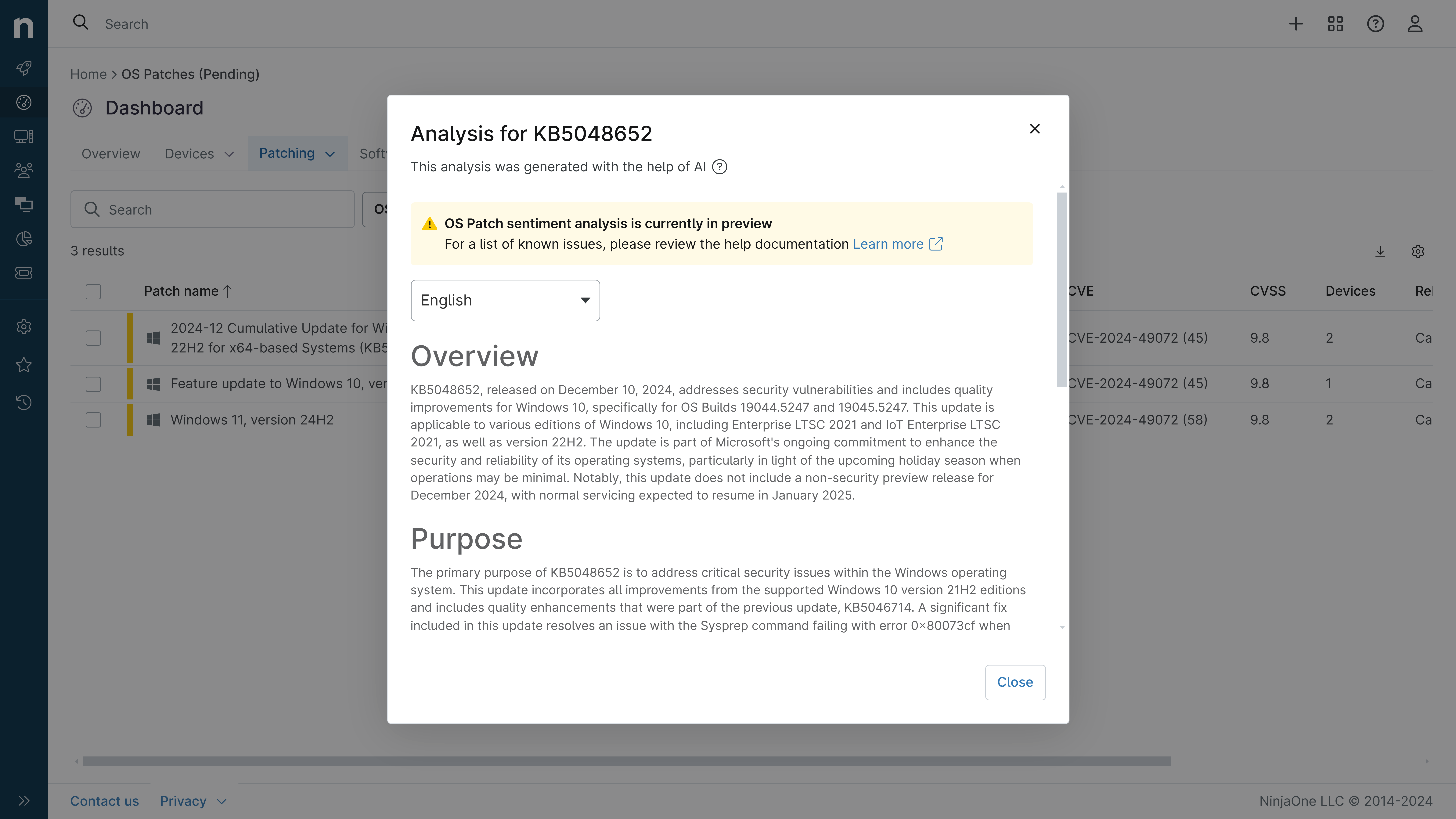
KB5078883: Overview with user sentiment and feedback
Last Updated April 30, 2026
Probability of successful installation and continued operation of the machine
Overview
KB5078883 is a cumulative security update released on March 10, 2026, for Windows 11 version 23H2 (OS Build 22631.6783). This patch represents Microsoft's monthly security release cycle and incorporates the latest security vulnerabilities fixes along with quality improvements from the previous month's optional preview release. The update is designed to address emerging threats while maintaining system stability and reliability across all editions of Windows 11 version 23H2.
This cumulative update combines both security and non-security improvements, delivering a comprehensive maintenance package for enterprise and consumer users. The patch includes fixes for 79 total vulnerabilities, of which 46 are elevation of privilege issues, 18 are remote code execution vulnerabilities, and several others address information disclosure, spoofing, and denial of service concerns. Notably, the update addresses two publicly disclosed vulnerabilities that required immediate attention from the security community.
General Purpose
KB5078883 serves as a critical security maintenance release focused on strengthening the Windows 11 security posture while introducing targeted quality improvements. The primary purpose centers on patching 79 identified vulnerabilities across the Windows operating system, with particular emphasis on elevation of privilege and remote code execution threats. Two publicly disclosed zero-day vulnerabilities receive attention: CVE-2026-26127, a .NET denial of service vulnerability with unlikely exploitation probability, and CVE-2026-21262, a SQL Server elevation of privilege issue assessed as less likely to be exploited.
Beyond security remediation, the update delivers meaningful quality enhancements across multiple system components. File History reliability improvements now ensure files with Chinese characters and Private Use Area characters back up successfully. Graphics stability receives attention with improvements for certain GPU configurations, enhancing both shutdown reliability and gaming performance during intensive graphics operations. The Secure Boot infrastructure receives substantial enhancement through improved device targeting data, enabling broader automatic distribution of new Secure Boot certificates through a controlled phased rollout. Additionally, new PowerShell cmdlets provide administrators with enhanced management capabilities for Secure Boot key administration. Windows System Image Manager gains improved reliability through trusted catalog file selection with confirmation dialogs, and font improvements introduce the Saudi Riyal currency symbol for enhanced international text support.
General Sentiment
Community and technical sentiment regarding KB5078883 remains cautiously optimistic, though with measured expectations typical of routine monthly security updates. The patch addresses a reasonable vulnerability count with no reported widespread compatibility issues, which generally supports a positive reception. The inclusion of practical quality-of-life improvements, particularly for File History reliability and GPU stability, demonstrates Microsoft's commitment to addressing real-world user pain points beyond pure security fixes.
However, some skepticism exists within technical communities regarding the claim of zero known issues, as historical patterns show that security updates frequently encounter edge-case problems in production environments despite pre-release testing. One identified concern involves Windows Update Standalone Installer (WUSA) failures when installations occur from shared network folders, which Microsoft acknowledges and plans to address in a future release. This known issue suggests that certain deployment scenarios may encounter friction, particularly in enterprise environments utilizing network-based update distribution.
The update's focus on Secure Boot certificate management and infrastructure improvements reflects Microsoft's proactive stance on emerging security challenges, particularly given the June 2026 Secure Boot certificate expiration announcement. This forward-looking approach receives general approval from security-conscious administrators. The addition of new accessibility features, including Narrator control improvements and Voice Access enhancements, demonstrates attention to inclusive design alongside security concerns. Overall sentiment leans toward acceptance as a necessary and reasonably well-executed maintenance release, though enterprise administrators express appropriate caution regarding network-based deployment scenarios.
Known Issues
- Updates installed via Windows Update Standalone Installer (WUSA) may fail if installation is attempted from a shared network folder; Microsoft is working on a resolution planned for a future update
- No other known issues currently reported by Microsoft for this update
Disclaimer: We take measures to ensure that AI-generated content is of the highest possible quality, but we cannot guarantee its accuracy and recommend that users do their own independent research. Generated on 2026-04-30 01:39 PM