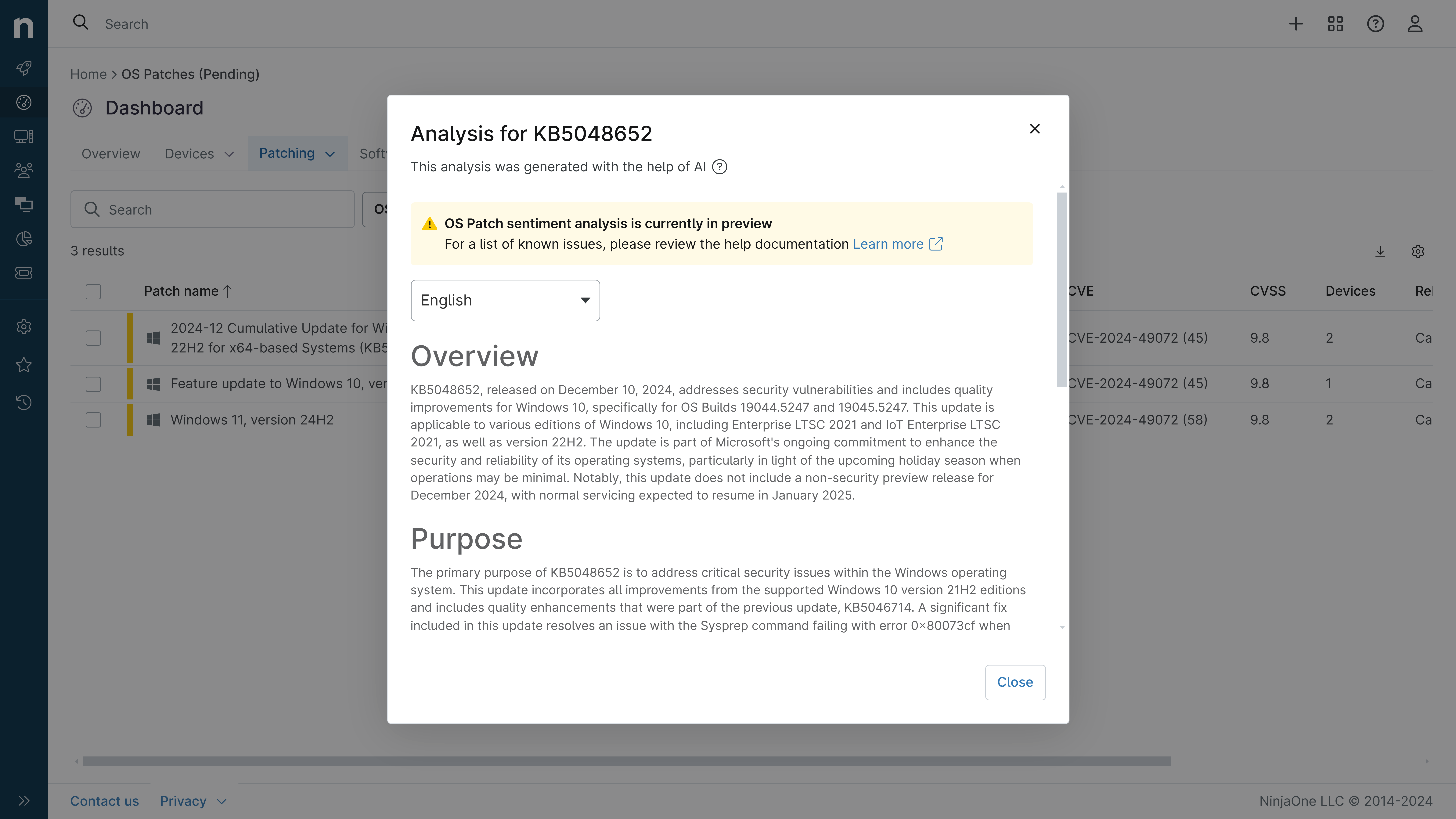
KB5078775: Overview with user sentiment and feedback
Last Updated April 30, 2026
Probability of successful installation and continued operation of the machine
Overview
KB5078775 is a cumulative security update released on March 10, 2026, for Windows Server 2012 Extended Security Update (ESU) customers. This monthly rollup represents the continuation of Microsoft's commitment to providing security patches for legacy systems that have reached end-of-support status. Windows Server 2012 officially ended mainstream support on October 10, 2023, but remains eligible for Extended Security Updates through October 13, 2026, on an annual renewable basis.
This update incorporates security fixes and quality improvements that build upon the February 10, 2026 monthly rollup (KB5075971). The patch addresses miscellaneous security vulnerabilities within internal Windows OS functionality, with detailed information available through Microsoft's Security Update Guide. Organizations running Windows Server 2012 in production environments should carefully evaluate this update as part of their security maintenance strategy, particularly given the approaching end-of-life date for this operating system version.
General Purpose
KB5078775 delivers cumulative security enhancements and quality improvements designed to address identified vulnerabilities in Windows Server 2012 systems. The update focuses on strengthening internal Windows OS security mechanisms through miscellaneous improvements to core operating system functionality. As a monthly rollup, this patch consolidates fixes from the previous month's release while adding new security protections. Installation of this update requires the prerequisite installation of the latest Servicing Stack Update (KB5079234) to ensure successful deployment. The update is available through multiple distribution channels including Windows Update, the Microsoft Update Catalog, and Windows Server Update Services (WSUS), providing flexibility for various deployment scenarios. Organizations should note the upcoming Windows Secure Boot certificate expiration scheduled for June 2026, which may necessitate additional preparation steps beyond this patch installation.
General Sentiment
The sentiment surrounding KB5078775 is cautiously neutral, reflecting the reality of supporting legacy infrastructure. Microsoft's communication emphasizes the importance of this security update while simultaneously encouraging organizations to plan upgrades to newer Windows Server versions. The update presents a pragmatic approach to security maintenance for systems that have exceeded their standard support lifecycle. However, there are notable considerations that temper enthusiasm: the patch carries a prerequisite dependency on KB5079234, which adds installation complexity and potential points of failure. Additionally, the looming Secure Boot certificate expiration in June 2026 introduces an additional layer of urgency and complexity for administrators. The fact that Microsoft explicitly states no known issues with this update is positive, yet the approaching end-of-support date for Windows Server 2012 itself suggests organizations should view this as part of a broader migration strategy rather than a long-term solution. IT professionals may view this update as necessary but not sufficient for comprehensive security posture, particularly for mission-critical systems.
Known Issues
- Azure Arc-enabled device installation failure: Installation of this Extended Security Update may fail on Azure Arc-enabled devices running Windows Server 2012; successful installation requires verification that all Subset of endpoints for ESU only are met as described in Connected Machine agent network requirements
- Servicing Stack Update prerequisite: The latest SSU (KB5079234) must be installed prior to deploying this update; absence of the SSU may prevent the update from being offered by Windows Update
- Language pack reinstallation requirement: If language packs are installed after this update is applied, the update must be reinstalled to maintain proper functionality
- Windows Secure Boot certificate expiration: Secure Boot certificates are scheduled to expire beginning in June 2026, which may affect device boot security capabilities and requires advance preparation
Disclaimer: We take measures to ensure that AI-generated content is of the highest possible quality, but we cannot guarantee its accuracy and recommend that users do their own independent research. Generated on 2026-04-30 01:36 PM