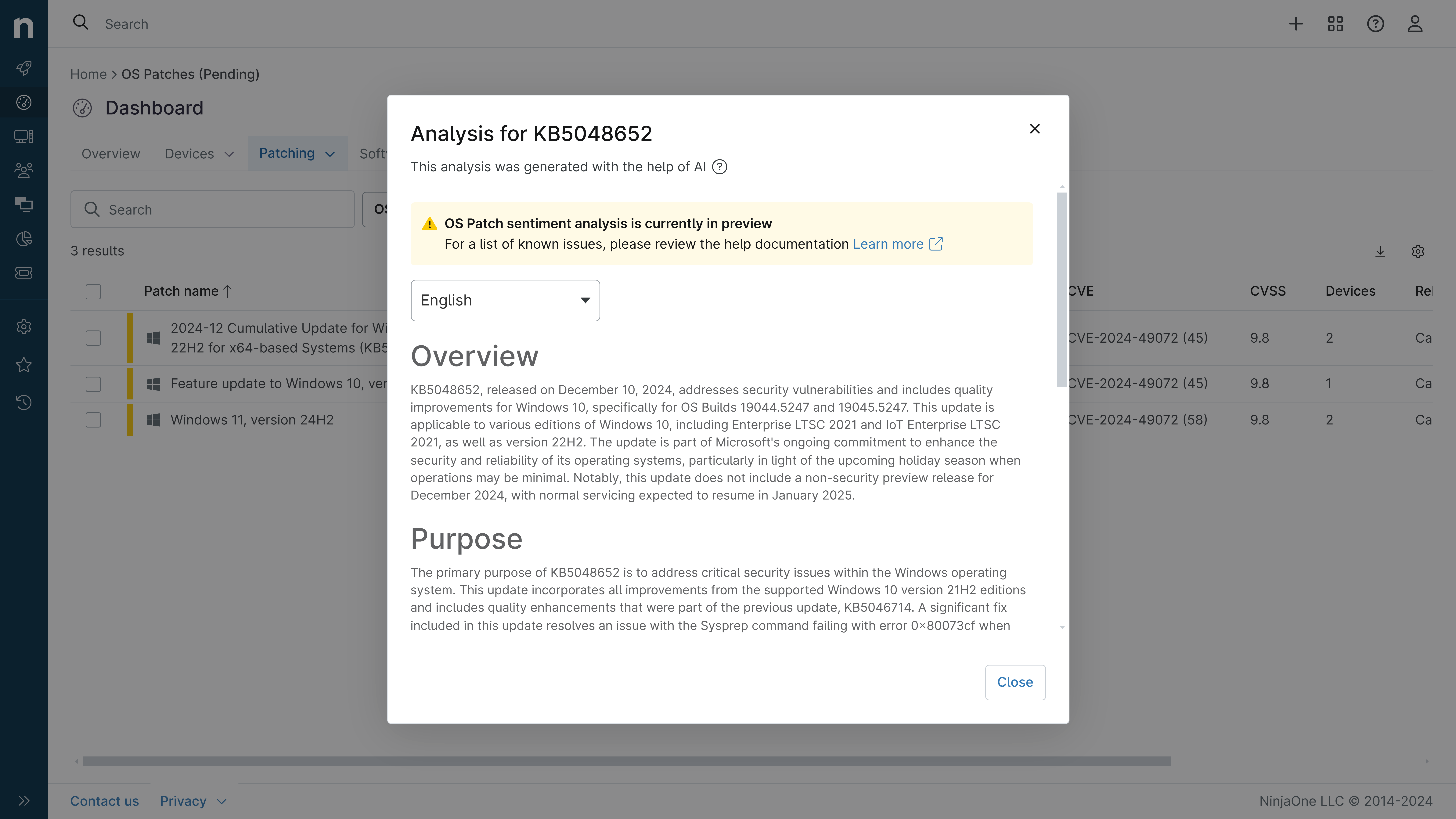
KB5078774: Overview with user sentiment and feedback
Last Updated April 29, 2026
Probability of successful installation and continued operation of the machine
Overview
KB5078774 is a Monthly Rollup security update released on March 10, 2026, specifically designed for Windows Server 2012 R2 Extended Security Update (ESU) environments. This cumulative security update builds upon the February 10, 2026 Monthly Rollup (KB5075970) and continues Microsoft's commitment to providing security patches for legacy server infrastructure that has reached end-of-support status.
Windows Server 2012 R2 officially reached end-of-support on October 10, 2023, but organizations can continue receiving security updates through the Extended Security Updates program, which is available for purchase and renewable on an annual basis through October 13, 2026. This particular update represents part of Microsoft's ongoing effort to maintain security posture for organizations still operating legacy server environments while they plan their upgrade strategies.
The update addresses miscellaneous security improvements to internal Windows OS functionality and requires the latest Servicing Stack Update (KB5079233) to be installed beforehand. Additionally, this release coincides with important guidance regarding Windows Secure Boot certificate expiration, which is set to occur starting in June 2026 and may impact device boot capabilities if not addressed proactively.
General Purpose
KB5078774 serves as a cumulative security update that consolidates security fixes and quality improvements for Windows Server 2012 R2 ESU deployments. The update focuses on delivering miscellaneous security enhancements to core Windows OS functionality, though Microsoft has not documented specific individual issues addressed in this particular release. Instead, the update represents a general security hardening effort for the aging operating system.
A critical prerequisite for successful installation is the prior deployment of the latest Servicing Stack Update (KB5079233). Organizations utilizing Windows Update will receive this SSU automatically, while those managing updates through the Update Catalog or Windows Server Update Services (WSUS) must manually approve and deploy the SSU before attempting to install this monthly rollup. The update is available through multiple distribution channels including Windows Update, the Microsoft Update Catalog, and WSUS, providing flexibility for different deployment scenarios. Additionally, Microsoft emphasizes the importance of addressing the upcoming Windows Secure Boot certificate expiration issue, which represents a separate but time-sensitive concern for system administrators managing Windows Server 2012 R2 infrastructure.
General Sentiment
The sentiment surrounding KB5078774 is cautiously neutral, as the update represents a necessary security maintenance step for organizations still operating Windows Server 2012 R2 in production environments. Microsoft's official documentation indicates no known issues with this particular release, which is a positive indicator for deployment stability. However, several contextual factors warrant consideration.
The primary concern centers on the fact that Windows Server 2012 R2 is operating well beyond its mainstream support lifecycle, and while ESU provides continued security updates, this extended support model is temporary and will terminate in October 2026. Organizations relying on this update should view it as part of a broader migration strategy rather than a long-term solution. The requirement to install a prerequisite Servicing Stack Update adds complexity to the deployment process and introduces an additional point of potential failure, particularly for organizations managing large server estates through WSUS.
The concurrent warning regarding Secure Boot certificate expiration adds urgency to the update process but also suggests that administrators face multiple interconnected maintenance tasks. While the absence of documented known issues is encouraging, the limited discussion and community feedback on this specific update reflects the diminishing user base still operating Windows Server 2012 R2, which means real-world validation data is inherently limited. Organizations should approach this update as a necessary security measure while simultaneously accelerating their migration planning to supported operating system versions.
Known Issues
- Installation may fail on Azure Arc-enabled devices running Windows Server 2012 R2 unless all required endpoints for ESU are properly configured as per Connected Machine agent network requirements
- Windows Secure Boot certificates are set to expire starting in June 2026, which may prevent secure boot functionality on affected devices if certificates are not updated in advance
- Language pack installation after applying this update requires reinstallation of the update itself, necessitating language packs be installed prior to update deployment
Disclaimer: We take measures to ensure that AI-generated content is of the highest possible quality, but we cannot guarantee its accuracy and recommend that users do their own independent research. Generated on 2026-04-29 01:39 PM