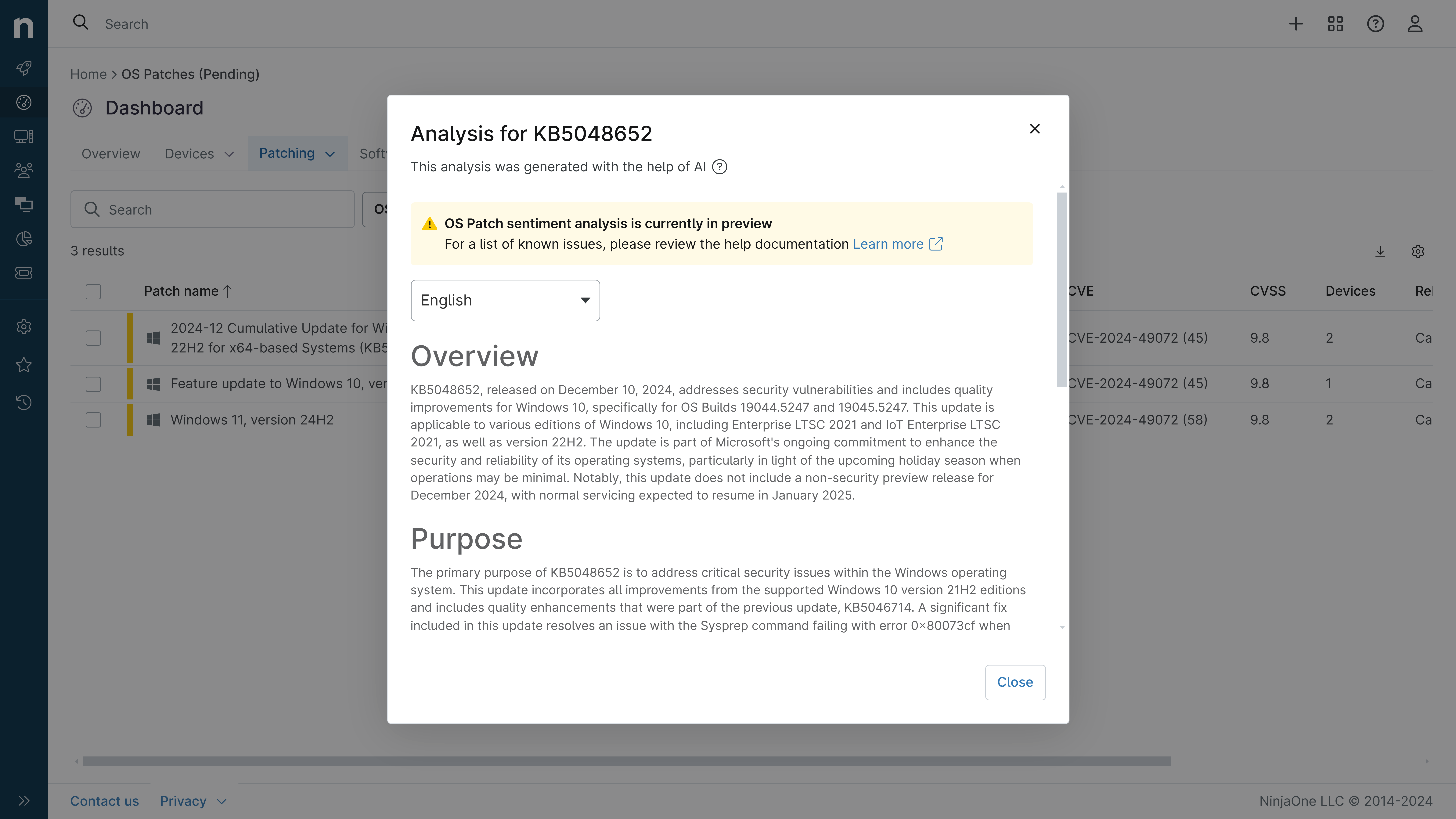
KB5078752: Overview with user sentiment and feedback
Last Updated April 30, 2026
Probability of successful installation and continued operation of the machine
Overview
KB5078752 is a cumulative security update released on March 10, 2026, for Windows Server 2019 and Windows 10 Enterprise LTSC 2019 (OS Build 17763.8511). This update represents a continuation of the February 10, 2026 KB5075904 release and includes both security fixes and quality improvements designed to maintain system stability and security posture for these long-term servicing channel editions.
The update addresses multiple functional areas including Windows System Image Manager enhancements, File History improvements, and critical Secure Boot certificate distribution mechanisms. Given that Windows Server 2019 and Windows 10 Enterprise LTSC 2019 approach their end-of-support date on January 9, 2029, this update represents one of the final maintenance cycles for these operating system versions. The patch incorporates a combined servicing stack update (SSU) and cumulative update (LCU) approach, which improves the reliability of the update installation process itself.
A notable aspect of this release is the emphasis on Secure Boot certificate expiration preparation, as certificates used by most Windows devices are scheduled to expire beginning in June 2026. This update includes enhanced device targeting data to increase coverage of systems eligible to receive new Secure Boot certificates automatically, though the rollout is controlled and phased based on successful update signals.
General Purpose
This security update delivers targeted improvements across several critical system components. The Windows System Image Manager now includes a warning dialog mechanism to help users verify that selected catalog files originate from trusted sources, enhancing security awareness during system imaging operations. File History functionality has been improved within Control Panel, with particular attention to backup operations involving files with Chinese characters and Private Use Area characters, which can now be successfully backed up without encountering previous limitations.
The most significant enhancement involves Secure Boot certificate management. The update introduces additional high-confidence device targeting data that expands the pool of devices eligible to automatically receive new Secure Boot certificates. This targeting mechanism leverages client device diagnostic data to ensure a controlled and phased rollout, with devices receiving new certificates only after demonstrating sufficient successful update signals. For server environments, the update includes enhanced validation logic for Azure-hosted devices, utilizing an updated certificate chain for verification purposes. The underlying servicing stack has been improved to enhance the reliability of the update process itself, with the combined SSU (KB5075903, version 17763.8381) and LCU package approach streamlining installation procedures.
General Sentiment
Community sentiment regarding KB5078752 is mixed, with significant concerns emerging from installation failures that overshadow the positive security and functionality improvements. While the update's focus on Secure Boot certificate preparation is widely recognized as necessary and appropriate given the June 2026 certificate expiration timeline, real-world deployment experiences reveal substantial friction.
On the positive side, the improvements to File History backup capabilities for non-ASCII character sets address legitimate user pain points, and the enhanced security dialog in Windows System Image Manager represents thoughtful security hardening. The servicing stack improvements and combined SSU/LCU approach are generally viewed favorably by IT professionals as streamlining the update process.
However, multiple reports document installation failures with error code 0x80073701 (ERROR_SXS_ASSEMBLY_MISSING), particularly on domain controllers running Windows Server 2019. These failures indicate component store corruption or missing manifests that prevent successful update installation. The troubleshooting path requires advanced technical intervention, including DISM repairs, component store analysis, and potentially manual package installation from the Microsoft Update Catalog. In severe cases, administrators report needing to consider full OS reinstallation approaches. This represents a significant operational burden, especially for critical infrastructure like domain controllers where downtime carries substantial business impact. The disconnect between the update's legitimate security purpose and the installation challenges it presents creates hesitation among IT professionals considering deployment.
Known Issues
Japanese character rendering failure in PowerShell: After installing this update released on or after January 13, 2026, Japanese language installations of Windows Server 2019 fail to correctly display Japanese characters in the PowerShell console. Japanese output text appears garbled or displays as question marks. This issue is caused by unintended changes to PowerShell encoding settings that are incorrectly set to UTF-8 following update installation. The issue affects both output display and text input in PowerShell. Resolution is available in Windows updates released on or after April 14, 2026 (such as KB5082123).
Component store corruption causing installation failures: Error 0x80073701 (ERROR_SXS_ASSEMBLY_MISSING) has been reported during installation attempts, particularly on Windows Server 2019 domain controllers. This error indicates missing required component payloads in the WinSxS directory. Affected systems require DISM repairs, component store analysis via CBS logs, and potentially manual installation of prerequisite updates from the Microsoft Update Catalog to resolve.
Disclaimer: We take measures to ensure that AI-generated content is of the highest possible quality, but we cannot guarantee its accuracy and recommend that users do their own independent research. Generated on 2026-04-30 07:39 PM