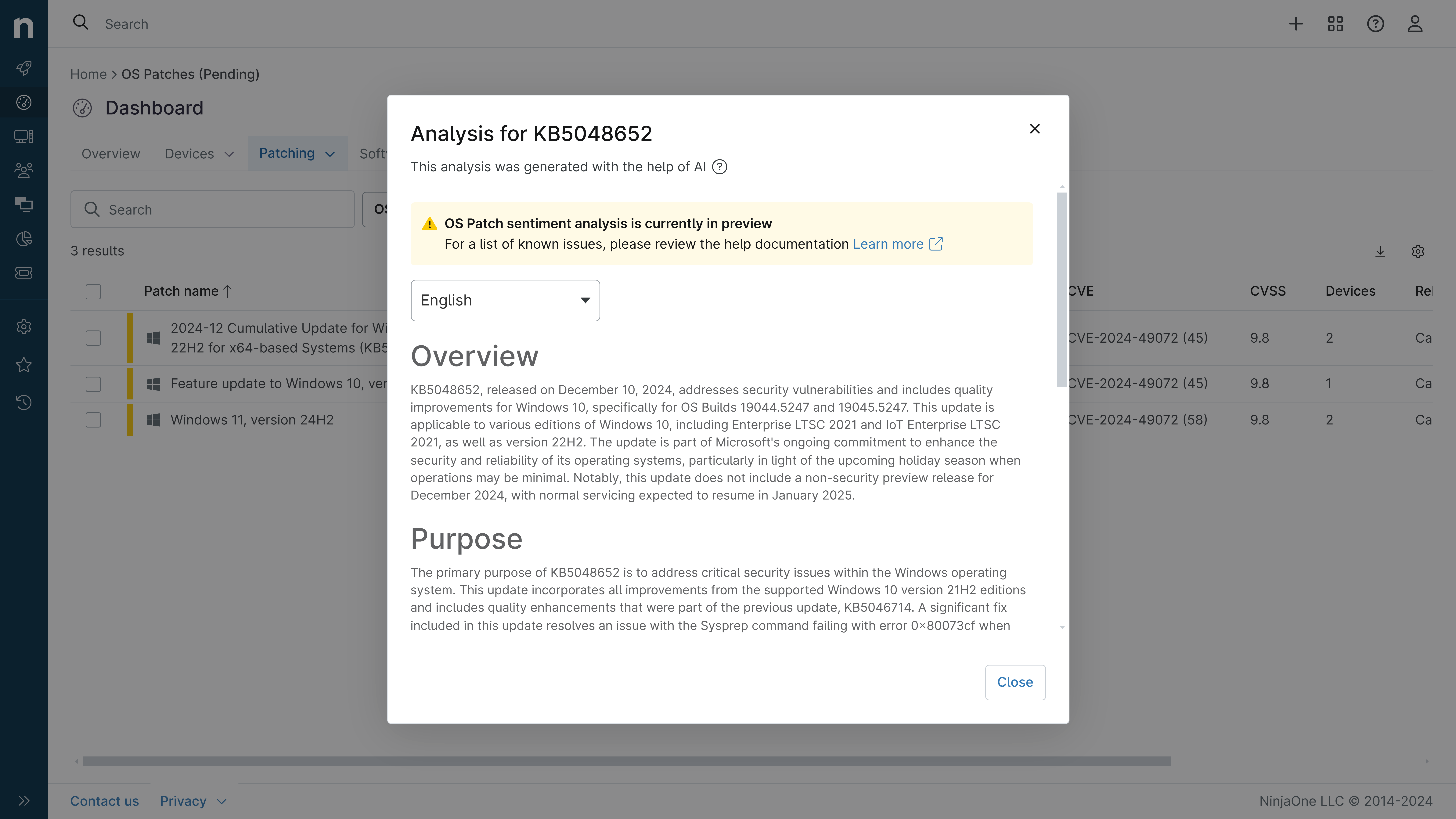
KB5078740: Overview with user sentiment and feedback
Last Updated April 30, 2026
Probability of successful installation and continued operation of the machine
Overview
KB5078740 is a cumulative security update for Windows Server 2025 released on March 10, 2026, with OS Build 26100.32522. This update incorporates the latest security fixes and quality improvements from the previous month's optional preview release (KB5075899 from February 10, 2026). The update is designed to enhance system stability, security posture, and hardware compatibility across Windows Server 2025 deployments.
As a cumulative update, KB5078740 includes all previously released security patches and non-security improvements, ensuring that systems receive comprehensive protection against known vulnerabilities. The update is delivered through multiple distribution channels including Windows Update, Windows Update for Business, and the Microsoft Update Catalog, providing flexibility for enterprise deployment strategies. Microsoft combines this cumulative update with a servicing stack update (KB5078739) to ensure robust update infrastructure and reliable patch installation capabilities.
General Purpose
KB5078740 addresses critical infrastructure improvements and security enhancements for Windows Server 2025 environments. The update introduces enhanced Secure Boot certificate management with improved device targeting capabilities, enabling more efficient distribution of new Secure Boot certificates across eligible systems. This phased rollout approach maintains security while minimizing potential deployment disruptions.
A significant improvement in this update focuses on hardware error reporting capabilities for modern server platforms. Windows Server 2025 now provides comprehensive support for newer server architectures that expose advanced hardware error reporting features, including systems equipped with up to 64 Machine Check Architecture (MCA) banks. This enhancement ensures proper parsing and configuration of all supported error sources, allowing hardware errors to be reported and handled appropriately on contemporary systems such as newer AMD EPYC-based servers. The update also includes quality improvements to the servicing stack component, which is responsible for installing Windows updates, ensuring a robust and reliable update installation experience.
General Sentiment
Community feedback regarding KB5078740 presents a mixed sentiment with notable installation challenges reported by system administrators. While the update addresses important security vulnerabilities and hardware compatibility improvements, several users have encountered installation failures with specific error codes. The most commonly reported issue involves error code 0x80070306, which indicates component store revision mismatches, and error code 0x800f0982, suggesting component store integrity problems.
Some administrators have expressed caution about deploying this update, with at least one reporting they would defer installation pending the next release cycle. However, Microsoft's official documentation does not indicate widespread critical issues, and the update appears to be functioning correctly on systems without pre-existing component store corruption. The installation challenges appear to be environment-specific rather than universal, suggesting that systems with clean component stores and proper servicing stack updates should experience successful deployments. The temporary removal of WSUS error detail reporting due to CVE-2025-59287 remediation represents a known trade-off between security and operational visibility that administrators should understand.
Known Issues
- Windows Server Update Services (WSUS) does not display synchronization error details after installing KB5070881 or later updates; this functionality was temporarily removed to address Remote Code Execution Vulnerability CVE-2025-59287
- Installation error 0x80070306 reported by some administrators, typically indicating component store revision mismatches or version conflicts that prevent successful update installation
- Installation error 0x800f0982 encountered in some environments, suggesting component store integrity issues that may require DISM and System File Checker repairs
- Update retry loops occurring on some systems where the update appears installed but Windows Update continues to attempt reinstallation
- Windows Secure Boot certificates are set to expire starting in June 2026, requiring advance planning and certificate updates to prevent boot failures on affected devices
Disclaimer: We take measures to ensure that AI-generated content is of the highest possible quality, but we cannot guarantee its accuracy and recommend that users do their own independent research. Generated on 2026-04-30 07:31 PM