

Last month’s Microsoft 2026 Patch Tuesday hit yet another record high, issuing security updates for 1,411 flaws and 3 zero-days. For reference, in all of 2025, Microsoft addressed over 1,100 critical vulnerability exploits (or CVEs), averaging 91 CVEs per month as part of its Patch Tuesday releases.
By the end of the year, some experts predict we’ll see vulnerability counts total over 100,000 CVEs. In the next 2-3 years, it wouldn’t be surprising to see monthly vulnerability counts regularly land in the thousands.
A few factors are driving this shift towards record-setting monthly vulnerability counts now being the norm, with AI being the most critical.
Analysts like Gartner have long predicted that we’re at the beginning of a long patch wave, as new AI-powered discovery tools from organizations like Microsoft continue to advance and comb through decades of code even faster. As tools like Mythos and Daybreak improve, similar Chinese models proliferate, and the amount of code produced continues to grow, we’ll continue to see vulnerability counts rise.
This isn’t an inherently bad thing though. It’s models that discover and issue fixes for code that could have otherwise been exploited. And it’s important that huge vendors like Microsoft continue to find AND fix vulnerabilities at record speed, before rival models catch up from an exploit perspective (this would give bad actors the same discovery insights with none of the moral constraints or security controls).
Vendors like Microsoft are up against a real-time crunch here. If they’re unable to find and fix vulnerabilities before well-equipped adversaries do, there’s going to be a world of pain that a whole lot of organizations. The stakes are, unfortunately, as CVE counts indicate, incredibly high.
Smarter IT starts here
Sign up for the NinjaOne Weekly Newsletter and join a thriving community of IT enthusiasts automating the hardest parts of IT together.
Short term, here’s what to expect
Vulnerability counts will continue to climb, as more vulnerabilities are discovered and addressed via patches on a more regular basis. Patch cycles must move past a monthly cadence to better reflect a threat landscape and discovery capabilities no longer confined to calendars. The good news is more vendors are already moving to bi-weekly pushes – progress, though not yet where we need to be. And as vendors release more patches, the onus is on organizations to secure their software accordingly (once a vulnerability is discovered, the “bad guys” can now leverage AI to reverse-engineer the flaw, building and executing attacks more successfully and more quickly than they could before).
As a result, the patch swell will put a lot more pressure on technicians and engineers in the weeks and months ahead. Both within Microsoft over the next 6-12 months, as they race to maintain a defender’s advantage, and technicians at organizations down the software supply chain, as they work to triage more patches that in many cases require immediate action.
Long term, here’s where we’re headed
There is a silver lining, though. The short-term pain is expected to be met with stability on the other side. Assuming vendors find and issue fixes for vulnerabilities before attackers’ capabilities catch up, and organizations remain vigilant in their patch and vulnerability management (CISA now requires federal agencies to remediate critical-severity flaws within 72 hours), foundational security will be stronger than ever on the other side.
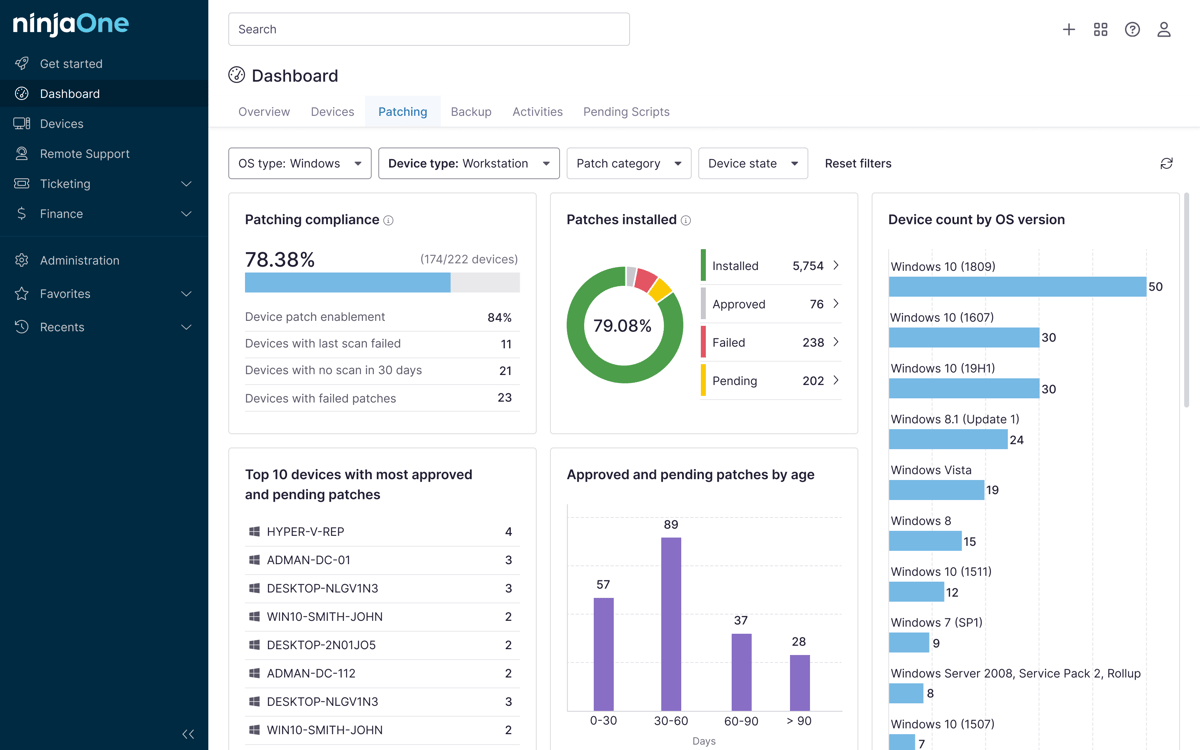
With advances in patch automation, technicians no longer have to manually comb through mounting vulnerability counts, and they can do so without compromising security or trust in the process. It’s well-documented that a bad update flowing through can have a downside to an organization (triggering IT or remote support failures, or just generally adding additional friction to employees’ digital experience), but inaction is also no longer an option.
The organizations and technicians that make it through the vulnerability wave will be the ones that leverage patch automation in some capacity to assess which patches apply most to their actual exposed asset database, and from there leverage risk and severity scoring to streamline patch prioritization and ultimately, remediation. This will allow teams to make more informed decisions, quickly and at scale, on which patches are most essential to apply, and which are least likely to introduce downstream disruption.
It’s an uncertain time that we’re continuing through, and while 1,411 flaws discovered in a single month appears incredibly high, we’re nowhere near the peak yet. What rising Patch Tuesday counts signal, more than anything, isn’t just more discovery. It’s a higher cost of delay. The time to fortify your foundation, leverage automation to streamline operations, and enhance security is now.