Modern cybersecurity, like everything else, is being reshaped by AI. But AI is not solely for defenders. We’re already seeing the results of how AI is rearchitecting the adversarial landscape. CrowdStrike found that in 2025, AI-enabled adversaries increased attacks by 89% year-over-year (YoY), and the average eCrime breakout time fell to just 29 minutes (a 65% increase in speed YoY).
Attackers are moving faster, evading detection and creating chaos for organizations of all sizes. To combat this, Boards are approving larger budgets to try and keep ahead. But the truth is an ugly one: most breaches don’t start with cutting-edge attack techniques. They begin by exploiting known vulnerabilities in outdated systems and applications.
Vulnerabilities remain the most reliable entry point.
Vulnerability exploitation saw another massive year of growth in 2025, becoming the second most common initial access vector for breaches (overtaking phishing and falling just behind credential abuse). Though IT and security teams are working hard to patch vulnerabilities as quickly as possible, they often fail to meet industry remediation guidance, such as NIST or PCI, due to a mix of cross-functional friction between IT and security, a lack of proper resourcing, and other competing organizational priorities. While bad actors are leveraging those same vulnerabilities in days, giving them ample time to cause operational, financial, and reputational damage.
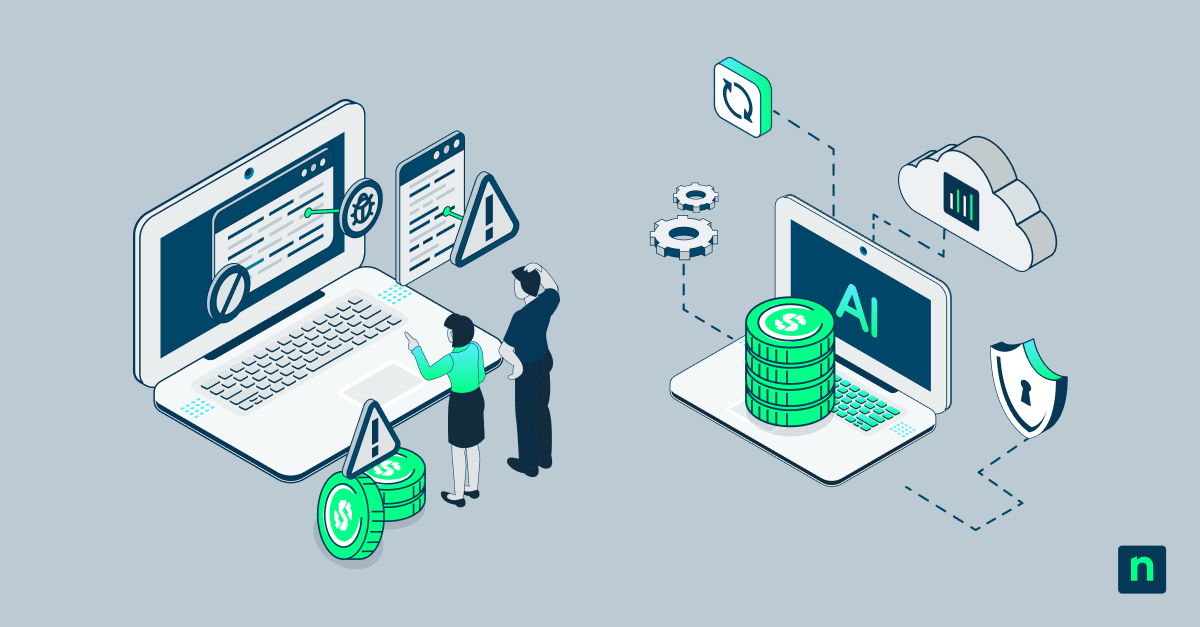
The result is a dangerous disconnect. Organizations’ digital landscapes are growing more and more interconnected, and traditional approaches to patch and vulnerability management (the blocking and tackling of cybersecurity) are falling behind. If organizations really want to strengthen their cybersecurity posture in a new AI age, the solution starts with overcoming the costliest blind spot first: vulnerability management.
Reinforcing your security foundation with AI
AI isn’t just accelerating threat activity. It also has the potential to give defenders new leverage. When applied strategically, AI can meaningfully reduce the operational burden on overstretched and overworked IT and security teams, helping address longstanding and pre-existing siloes that have hampered organizational resilience efforts and cost organizations millions for years.
Vulnerability management is one of the clearest opportunities for AI to make an immediate impact on IT and security. Periodic scanning and slow patch cycles are the way of the past. They simply don’t cut it anymore, especially when attackers are operating nonstop. The old model was that security would scan, hand off patching to IT, and repeat. As a result, delays, silos, and unnecessary vulnerability exposure became the norm.
Now with more advanced technology, organizations can leverage continuous identification and accelerated, risk-aware remediation to turn what used to be a fragmented, manual process into something much more streamlined and proactive. As a result, instead of chasing tickets and reacting to reports, IT and security teams can focus on the highest value and most business impacting work: fixing high-risk issues faster and with far less effort. Allowing organizations to build a more resilient security foundation that scales with business as digital environments grow even more complex.
Closing blind spots
Those that are able to rethink their foundational security strategies and apply AI in thoughtful ways that materially reduce risk and free up teams, are the ones that will be best prepared to withstand the ongoing swell of adversarial attacks. Tightening remediation timelines, eliminating known exposures, fast and efficiently, and strengthening the operational foundations that both security and IT ultimately depend on is the way of the future. Because as bad actors continue to take advantage of known vulnerabilities with increased speed, the last thing that any CISO, Board member, or business leader wants to hear is that a breach was preventable. It just wasn’t patched fast enough.
Organizations have to rethink their approach to foundational security if they want to take advantage of all the AI era has to offer. A good place to start is to bring IT and security closer together where it matters most. Staying ahead of your organization’s most vulnerable blind spots will help prevent costly breaches.
Want to learn more about how NinjaOne can help you strengthen and streamline your approach to vulnerability management? Visit: https://www.ninjaone.com/vulnerability-management/.