

Key Points
- Multi-threaded replication improves MySQL database performance by processing transactions in parallel, reducing replication lag, and increasing throughput.
- Compared to single-threaded replication, multi-threaded replication better supports write-heavy workloads, read replicas, failover, and scalable MySQL environments.
- Effective MySQL replication depends on proper thread configuration, replication monitoring, and balancing performance with data consistency.
Multi-threaded replication can drastically improve MySQL database performance when duplicating data between servers. It increases throughput, decreases replication lag, and results in scalable, stable MySQL deployments.
This guide explains multi-threaded replication for MySQL, from basic concepts to implementation details, and how its application positively impacts IT and businesses.
What is database replication?
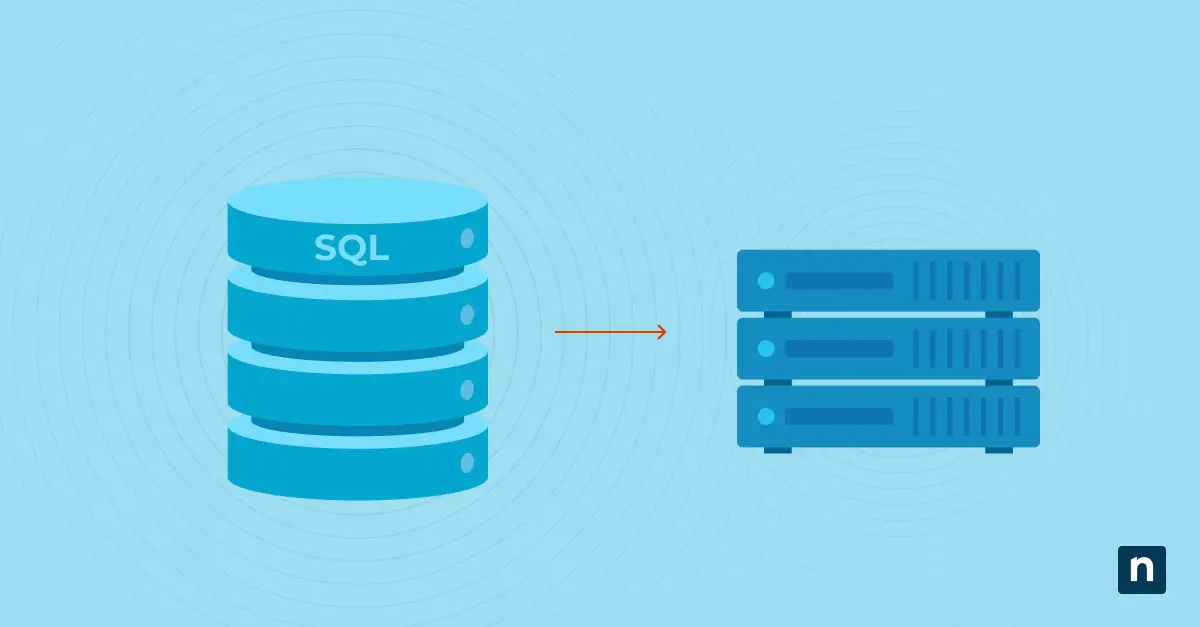
Database replication is the process of maintaining up-to-date copies of the data in a primary database in one or more replicas, usually stored on separate database hosts.
This added redundancy achieves several goals: data and geographic redundancy improve availability, and with backups, help protect from data loss. Replicas can be used to assist with scalability, and app reliability can be improved by using replicas as failovers if primary databases fail.
What is multi-threaded replication?
Due to technical limitations, replication in MySQL systems was historically performed as a single, sequential process. This was slow as database transactions must be processed one after the other in the order they occurred to create a mirror of the database.
Multi-threaded systems are able to execute multiple processes at the same time. Most databases take advantage of this to be able to respond to multiple queries at the same time, reading, inserting, and updating data in parallel rather than waiting for previous transactions to complete. Replication can also take advantage of this to process changes on the replicas to get them up-to-date faster.
What is replication lag?
A concept discussed regularly with regard to database replication is replication lag. This is the time delay between when data changes in the primary database, and when this is reflected in its replicas.
For many apps, replication lag must be as short as possible as it can cause issues including data inconsistencies between the primary database and replicas, and reduced performance. This impacts the effectiveness of replicas at achieving their goals: consistency is compromised, meaning if failover occurs, data may not match the primary and replicas lagging due to processing a backlog of transactions can impact application performance.
Replication lag is usually caused by one or more of:
- Slow storage I/O causing read/write latency
- Network bandwidth or connectivity issues
- Underspecced CPUs slowing down processing
- Higher-than-expected writes overloading the planned capacity of the above
When a backlog occurs, the issue can be compounded, further extending the time it takes for replicas to ‘catch up’ to the primary database.
How to enable multi-threaded replication in MySQL
Modern versions of MySQL support multi-threaded replication out of the box. To use it, you need to set multiple worker threads on the replicate database server.
The example below (for MySQL 8.0 and above) does this on a server, setting 4 parallel workers:
SET GLOBAL replica_parallel_workers = 4;
Or, via the configuration by adding the line:
replica_parallel_workers=4
By default, this may be set to 0, disabling multi-threaded replication.
Note that simply enabling multi-threaded replication is insufficient and may be dangerous depending on your configuration and workload. You should carefully assess your requirements, from how many threads your infrastructure can handle and bandwidth availability, to the frequency and volume of data changes on primary MySQL servers and the purpose of your replicas (redundancy, failover, etc.).
You can then set appropriate configuration values for replica_parallel_workers as well as replica_preserve_commit_order (maintaining the commit order of the primary at the cost of performance for some workloads), replica_parallel_type (parallelization method), and other relevant options.
Understanding traditional single-threaded replication limitations
Multi-threaded replication is generally preferred over single-threaded replication due to the limitations of the latter. These limitations include:
- Slow application of changes under heavy workloads
- Increased replication lag
- Bottlenecks in write-intensive environments
- Reduced scalability
These constraints limit performance, especially as data volume and data insert/update frequency increase.
How multi-threaded replication works under the hood
Multi-threaded replication spreads processing transactions across multiple processor threads. Changes are then coordinated and applied simultaneously where possible, while some transactions may need to be performed in their original order to preserve data consistency. This allows more transactions to be processed in less time, improving performance.
While it is possible to enforce the order transactions are applied on replicas to be exactly the same as on the primary database, this will reduce performance (while still being much faster than using a single thread). Whether this is necessary will depend on your use case.
Improving throughput with parallel processing
The increased overall throughput of multi-threaded replication results in several key benefits. Primarily, changes are applied to replicas faster, so critical data is captured in the event that a primary database fails.
Multi-threaded replicas are also able to handle high transaction volumes, and can leverage on-premises or cloud-hosted resources that support multiple threads, making scaling more straightforward. A reduced backlog of replication events also assists with scaling, as data flow is more predictable.
Factors that affect multi-threaded replication performance
Multi-threaded replication is not a ‘one shot’ solution to database replication speed or data consistency. The nature and behavior of your application, infrastructure, and the purpose of replication will affect how it is configured and used.
Key considerations include:
- Distribution of write operations across tables
- Transaction size and complexity
- Configuration of worker threads
- Hardware resources available
- Database engine capabilities
When architecting your database, you need to plan for both current and future requirements.
Challenges in multi-threaded replication
While multi-threaded replication in MySQL offers overall advantages, it does introduce challenges that must be recognized and addressed. Transaction conflicts can occur if configuration isn’t properly optimized for your use case (especially when there are multiple primaries), and these configurations can add complexity to maintenance and debugging.
Database replication requires careful management and oversight, and cannot be left to just run its course, or you risk finding your replicas are not fit for purpose if an incident occurs.
Monitoring MySQL database replication behavior
Effective database monitoring is necessary to ensure replication is behaving properly, is stable, and is resulting in consistent, up-to-date data. Metrics that you should measure include:
- Replication lag
- Thread utilization
- Error rates in replication
- Transaction processing time
Detecting issues early (and avoiding monitoring pitfalls) prevents replicas from getting out of sync and provides information that can be used to further optimize and reduce replication lag.
Read-only database replicas
Read-only database replicas do just what they say: they duplicate data from the primary database, and can be read by client applications. This is done to improve performance in read-heavy apps. This may be assisted with the use of a load balancer to automatically spread traffic across multiple replicas.
Read-only replicas are highly useful in hybrid and multi-cloud environments, allowing data to be quickly synchronized across servers, sites, and regions.
How multi-threaded replication is most beneficial
Multi-threaded replication benefits IT and the businesses they support in several key ways. Most noticeably, app performance is increased, improving reliability and availability, resulting in higher productivity and user satisfaction.
Data that has been synchronized is protected against failure of the primary database, and can be duplicated across regions for added redundancy or to improve read performance for global audiences. Note however, that replication is not effective as a sole backup method – database backups should be versioned/incremental (and ideally, immutable) so that if data is corrupted, it can be returned to a known good state.
This helps ensure that business-critical data is protected and can be restored readily, and assists with compliance measures and scalability.
Maintaining visibility over globally distributed database infrastructure, apps, and users
Organizations that require fast, reliable databases that reach global users and customers need to maintain oversight over IT infrastructure that mixes hybrid on-premises deployments with multi-cloud environments. Without this visibility, keeping data across primary and replica databases synchronized as fast as possible using multi-threaded replication becomes a significant challenge.
NinjaOne can monitor the performance of MySQL database servers, network infrastructure, and the behavior of apps on endpoints to ensure that mission-critical workflows are not interrupted by poor database performance or downtime. Proactive monitoring with automated ticket creation and escalation ensures that replication and performance issues are addressed before they impact productivity, while built-in help desk and support tools allow technicians to work with end users to identify and diagnose complex issues.