Key Points
What Is MSP Network Management & Monitoring?
- What It Is: MSP network management and monitoring is the outsourcing of IT infrastructure oversight to Managed Service Providers (MSPs), who deliver 24/7 monitoring, performance optimization, and security management.
- How It Works: MSPs use automated tools, monitoring dashboards, and proactive alerts to identify and resolve issues before downtime occurs. Services often include firewall management, intrusion detection, patching, disaster recovery, and compliance support.
- Best Practices: Leverage centralized monitoring platforms, implement layered security, align MSP services with business needs, automate repetitive IT tasks, and ensure compliance with regulations such as HIPAA and GDPR.
- Why It Matters: Effective MSP network management reduces downtime, improves cybersecurity, scales with business growth, lowers IT costs, and enables SMBs and enterprises to focus on core operations while ensuring continuity and resilience.
Managed Service Providers (MSPs) play a critical role in the modern business landscape. It does this by providing companies with a range of IT services, including network management. MSPs help organizations manage their IT infrastructure, improve their IT security posture, and ensure business continuity. With the ever-increasing reliance on technology, maintaining a secure and reliable network is essential for businesses to thrive.
Proactive network monitoring is one of the primary benefits of MSP network management. MSPs use sophisticated monitoring tools to detect potential issues before they become major problems. By monitoring network traffic and activity, MSPs can identify and address potential bottlenecks, security threats, or other issues that could affect network performance. With 24/7 monitoring, MSPs can quickly respond to any issues that arise, minimizing downtime and maximizing productivity. In this article, we’ll explore the various benefits of MSP network management and why businesses should consider working with an MSP to manage their network operations.
Join thousands of MSPs in getting real-time visibility and control over their managed networks.
What is MSP network management?
MSP Network Management refers to the process of managing and maintaining small business or enterprise networks by an external third-party provider. The MSP takes responsibility for managing the client’s network infrastructure. It also ensures that it is secure, reliable, and performs optimally.
MSP Network Management services typically include a range of tasks such as proactive network monitoring, software updates and patches, antivirus and malware protection, data backup and disaster recovery, network security, and network performance optimization. MSPs use a combination of software tools, automation, and human expertise to manage their clients’ networks efficiently and effectively.
When is MSP network management useful to end users?
MSP Network Management is useful in a variety of scenarios, but here are some common situations where businesses can benefit from outsourcing their network management to an MSP:
Limited IT resources: SMBs may not have the budget or expertise to build and maintain a full-scale IT department. MSP Network Management can help businesses manage their network infrastructure efficiently.
Focus on core business: Outsourcing network management to an MSP allows businesses to focus on their core competencies. This offers a more productive approach, rather than spending time and resources managing their IT infrastructure.
Scalability: As businesses grow, their IT needs also grow. MSPs can provide scalable solutions. This should adjust to the changing needs of the business, without requiring significant investments in hardware, software, and IT staff.
Network security: MSPs can provide advanced security measures such as firewall management, intrusion detection, and vulnerability scanning to help protect against cyber threats.
Disaster recovery: Managed service providers can provide backup and disaster recovery services to ensure business continuity in case of a network outage or data loss.
What challenges do MSPs face with network management?
MSPs face a range of challenges when it comes to network management, including:
Security risks: With cyber threats evolving rapidly, MSPs need to constantly monitor their clients’ networks. Especially for potential security breaches. They need to take proactive steps to protect against them. This can be challenging, as cyber threats are constantly evolving, and there is a risk that an MSP’s own systems may be compromised.
Complexity: With the increasing complexity of modern IT infrastructure, MSPs need to manage a wide range of technologies. This includes hardware, software, and network systems, while ensuring that they work together seamlessly.
Limited control: MSPs must provide their clients with the control they need over their IT infrastructure. And they should do this whule maintaining the level of control they need to manage and monitor the network effectively.
Scalability: MSPs need to be able to provide scalable solutions. This should grow with their clients’ businesses, without compromising on performance, security, or reliability.
Compliance: MSPs need to ensure that their clients’ IT systems comply with relevant regulations and standards, such as GDPR or HIPAA.
Cost management: MSPs need to manage their own costs while delivering value to their clients. This requires a delicate balance between investing in the right tools and technologies and keeping their pricing competitive.
Communication: Effective communication is essential for MSPs. This is to understand their clients’ needs and expectations. Plus, it is necessary to provide timely updates and support when needed.
Talent acquisition: MSPs need to attract and retain skilled IT professionals. Especially those who can keep up with the latest technologies and provide high-quality services to their clients.
Network management tools and features
The key features of the best network management tools typically include:
Network Monitoring: A network management solution should provide real-time monitoring of network performance and availability. This includes monitoring bandwidth utilization, server performance, application performance, and other key metrics.
Alerting: The solution should provide customizable alerts when issues arise, allowing IT staff to respond quickly and proactively. Alerts can be sent via email, SMS, or other communication channels.
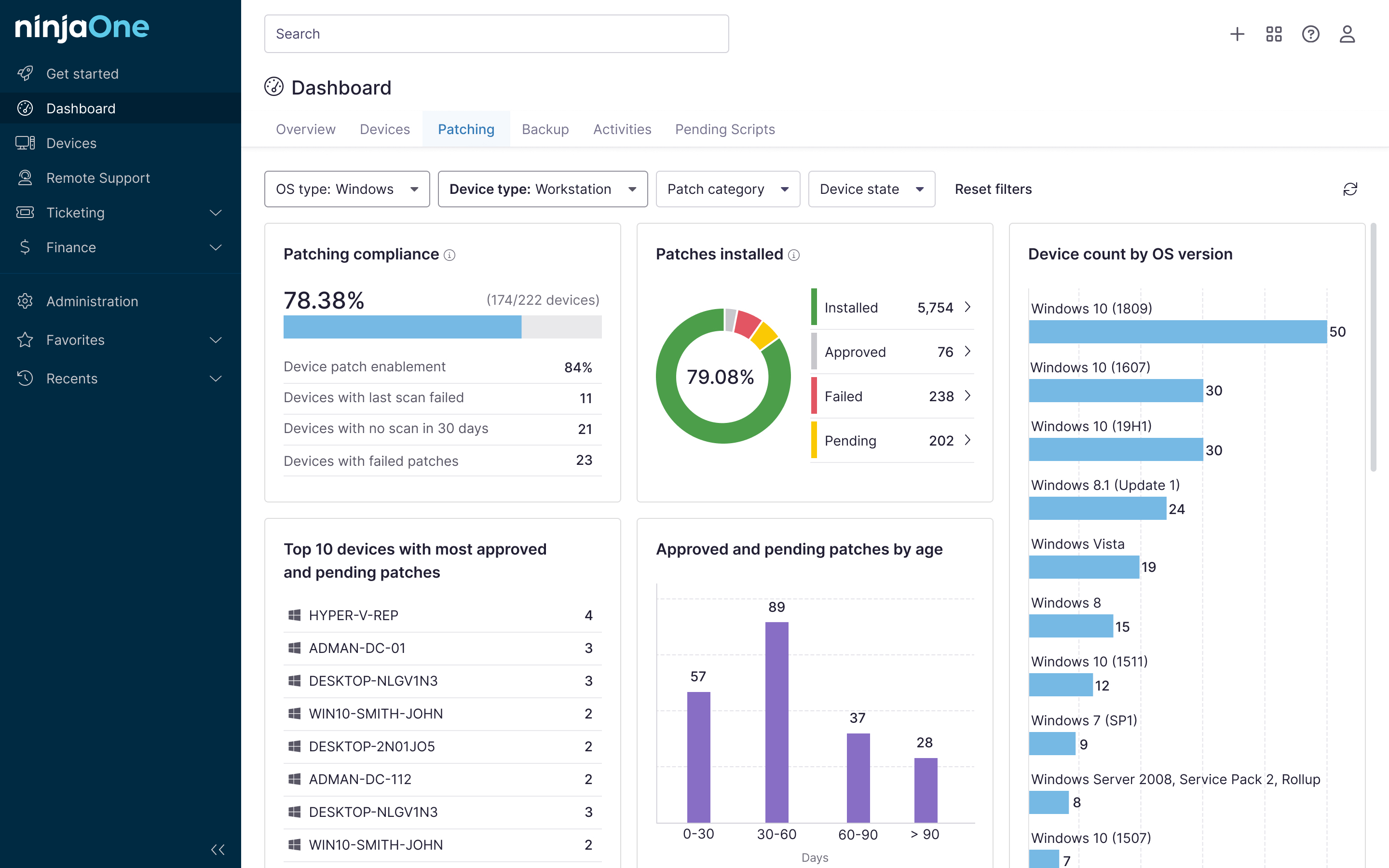
Automation: Automation features such as automated patch management, software updates, and device discovery can help reduce the workload on IT staff. This can ensure that critical tasks are performed in a timely manner.
Network Mapping: A network management solution should provide a visual map of the network infrastructure. This will allow IT staff to understand how devices are connected and where potential issues may arise.
Watch the video guide on What is Network Mapping? Process, Purpose, & Best Practices.
Reporting: An IT reporting solution should provide customizable reports on network performance, including uptime, response time, and bandwidth usage. Reports can be generated on demand or scheduled for regular delivery.
Security: A network management solution should include security features such as firewall management, intrusion detection, and vulnerability scanning to help protect against cyber threats.
Scalability: The solution should be scalable to support the growth and changing needs of the organization’s IT infrastructure.
Integration: The solution should be able to integrate with other IT systems and tools, such as help desk software, asset management systems, and configuration management databases (CMDBs).
Experience seamless integration with NinjaOne’s network monitoring built into its RMM solution.
Partnering with NinjaOne
Most MSPs and enterprise end-users will benefit from a single pane of glass network management solution like NinjaOne. Thousands of users rely on our cutting-edge RMM platform to navigate the complexities of modern IT management.
Not a Ninja partner yet? We still want to help you streamline your managed services operation! Visit our blog for MSP resources and helpful guides, sign up for Bento to get important guidance in your inbox, and attend our Live Chats for one-on-one discussions with channel experts. If you’re ready to become a NinjaOne partner, schedule a demo or start your 14-day trial to see why MSPs choose Ninja as their RMM partner.