Key Points
How to Log and Surface Repeat Issues for Effective Triage Reviews
- Tag and categorize tickets consistently in PSA/RMM systems to create a searchable database of recurring IT issues.
- Automate detection and reporting to flag repeat tickets, group problem records, and surface patterns for triage reviews.
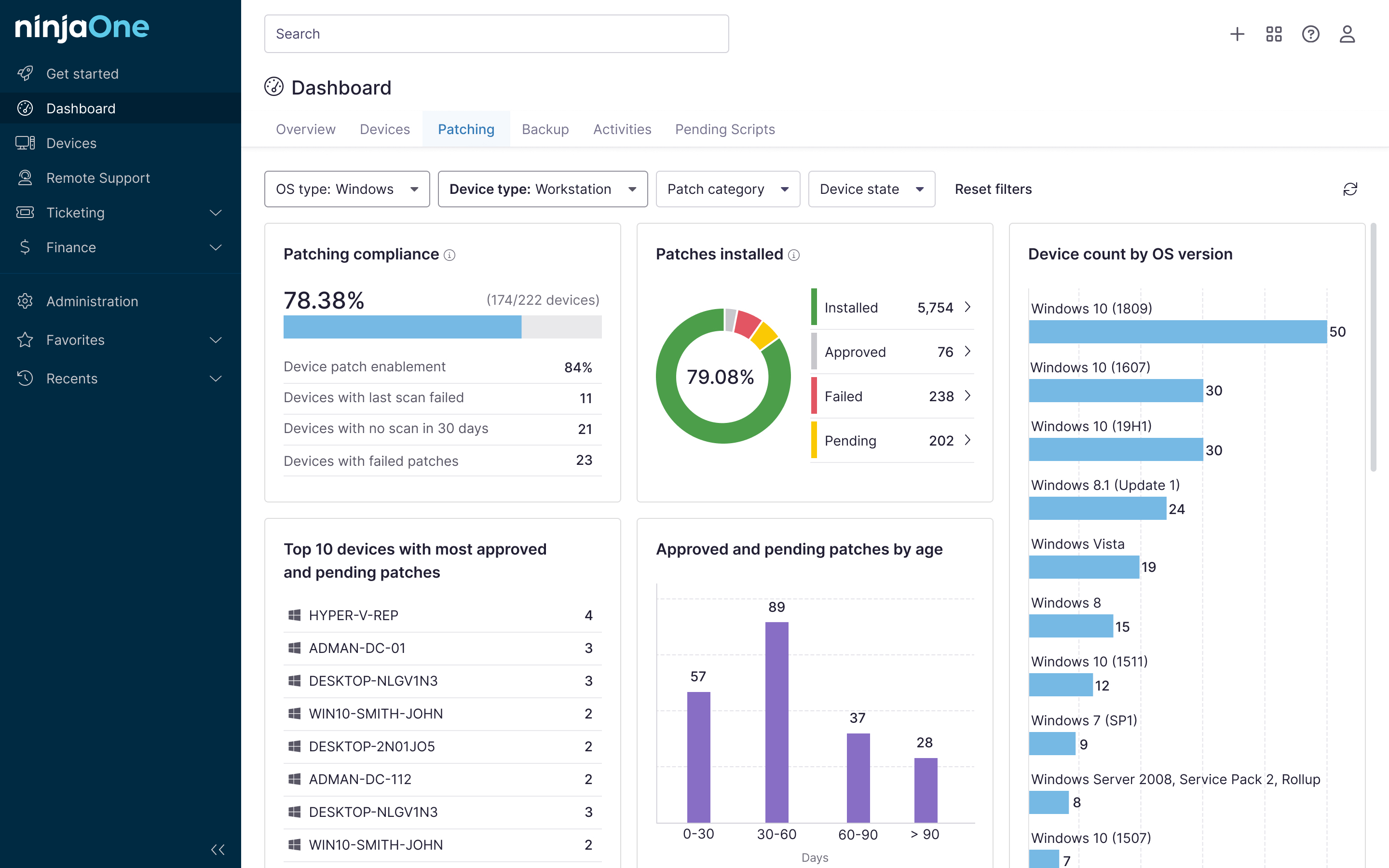
- Use reporting dashboards to identify top recurring issues, track devices or sites with repeat failures, and highlight trends over time.
- Run structured triage reviews (monthly or quarterly) to assign root-cause analysis, update SOPs, and determine when automation or escalation is needed.
- Feed triage insights back into operations by updating SOPs, automating frequent fixes, and training technicians on new resolutions.
IT teams often deal with recurring problems, anything from password resets to patch rollbacks. Whatever the issue, it consumes resources and frustrates clients, highlighting the importance of recurring IT problem management.
By capturing and surfacing repeat issues for triage, MSPs can do the following:
- Prevent chronic problems from eroding service quality
- Feed data back into SOPs, automation, and training
- Reduce technician fatigue and increase efficiency
- Strengthen client trust by eliminating recurring pain points
A guide for recurring IT issue tracking
📌 Prerequisites:
- You should have a centralized ticketing or RMM/PSA system with reporting capabilities.
- You need to have defined problem categories (for example, access, patching, network) for consistent tagging.
- You must have a scheduled cadence for triage reviews (monthly or quarterly).
- You need designated roles for triage ownership (service desk lead, escalation engineer, service manager).
Step 1: Define what counts as a repeat issue
Not all recurring issues are equal and demand the same level of attention. When dealing with multiple repeat issues, it’s essential to get your priorities in order. Establish a set of criteria for what should be considered, taking these into account:
- Number of times the same ticket type appears within a set period
- Issues affecting multiple users or devices simultaneously
- Problems recurring after patching or remediation
The expected deliverable for this step is a set policy for repeat-issue classifications.
Step 2: Capture repeat issues in ticketing systems
Now that you have a defined policy that dictates repeat-issue classifications, it’s time to put this information into action. However, before you can do that, you need to accurately track the issues that occur and ensure they are logged consistently.
To do that, you must:
- Use categories or tags for common issues
- Link new tickets to existing problem records where applicable
- Automate detection with reporting or keyword rules
The expected deliverable for this step is a searchable database of repeat issues.
Step 3: Surface patterns through reporting
Now that you have a database of repeat issues, it’s time to identify patterns in your data. Utilize reporting tools to highlight these patterns and enable stakeholders to review them easily. Here are some things you should look out for when analyzing the data:
- Top recurring tickets by category
- Devices or sites with the highest repeat failures
- Trends over time (like patch-related issues dropping after automation)
The expected deliverable for this step is a recurring-issue dashboard and report that’s available for all stakeholders to read and review.
Step 4: Run structured triage reviews
Once all stakeholders have reviewed the data, it’s time to move on to the next step. Hold triage meetings to analyze issues and determine the best course of action. Here are a few things you’re expected to do in these meetings:
- Assign root-cause analysis for high-frequency problems
- Decide if automation, SOP changes, or escalation path updates are needed
- Document outcomes and assign ownership for fixes
The expected deliverables for this step are the triage meeting notes. They should include the agreed-upon action items for the recurring issues and the timeline for completing them.
Step 5: Feed insights back into operations
Ensure that the action items in the triage meeting are actually done. Communicate to the rest of the team what needs to be done so that everyone is aware of their responsibilities in resolving the recurring issues. You should also develop concrete steps to address the root causes of the problems.
To do that, you must:
- Update SOPs to clarify recurring problem steps
- Automate common fixes where possible
- Train technicians on new resolutions
- Flag chronic vendor-related issues for escalation to suppliers
The expected deliverables for this step are updated SOPs, automation scripts, and training materials informed by your triage review meetings.
Best practices summary table for IT issue tracking
| Practice | Value Delivered |
| Define repeat issue criteria | Provides a framework to work with and avoids noise from minor duplicates |
| Consistent ticket tagging | Makes issues traceable across all your different clients |
| Reporting dashboards | Shows patterns for triage quickly and efficiently |
| Structured triage reviews | Ensures accountability and root-cause focus |
| Feed back into operations | Turns all the insights you came up with into service improvements |
Automated repeat-issue tracking workflow
- TICKET FLAGGING: Your PSA flags any ticket type logged more than 3 times in 30 days.
- PROBLEM RECORD CREATION: Your RMM tool groups those tickets under a “Problem Record.”
- REPORTING: The tool automatically generates a monthly report that displays the top 10 recurring issues.
- REVIEW AND ACTION: The report is added to the triage review agenda automatically.
- ESCALATION AND RESOLUTION (optional): Critical or frequently repeating issues may be escalated to higher-level support or development teams. They can develop long-term solutions to prevent future recurrences.
NinjaOne integration ideas for logging repeat IT issues
| Feature | Highlights | Benefits |
| Ticketing tool | Tag and categorize recurring tickets in helpdesk workflows. | Quickly identifies patterns, making it easier to spot systemic issues |
| Reporting tool | Export recurring-issue reports for triage meetings. | Provides visibility for IT teams to prioritize and address the most impactful problems |
| Automated scripting tool | Automate scripts to remediate common repeat problems. | Saves technician time, reduces human error, and speeds up resolution |
| IT documentation tool | Store triage outcomes and updated SOPs in NinjaOne Docs. | Ensures consistent knowledge sharing and standardizes future responses |
| PSA dashboards | Track success metrics (such as decline in recurring ticket volume post-action). | Measures the effectiveness of interventions and demonstrates the ROI of IT efforts |
Quick-Start Guide
NinjaOne does have capabilities for capturing and surfacing repeat issues for effective triage reviews.
Some key findings include:
- NinjaOne has a feature called “OS Patch Sentiment Analysis” which helps identify and prioritize patches based on community feedback and known issues.
- NinjaOne integrates with Jira to track and manage issues across teams, enabling better visibility into recurring problems.
- NinjaOne provides ticketing and reporting tools that allow support teams to identify patterns and trends in incoming tickets, helping surface repeat issues.
NinjaOne has built-in functionality and integrations designed to help organizations identify, track, and prioritize repeat issues during triage reviews. This includes patch management analytics, ticketing system integrations, and reporting capabilities.
Improve workflows by capturing recurring IT issues for triage reviews
Recurring IT issues drain resources and frustrate both clients and technicians. Because of this, it’s crucial to systematically capture, report, and surface these issues for structured triage reviews. This way, MSPs can improve efficiency, enhance service quality, and demonstrate proactive value.
Related Links: