Key Points
- Traditional ITIL struggles due to rigid processes and slow change management, while Agile ITIL improves flexibility, speed, and continuous improvement in modern IT environments.
- Agile ITSM enables iterative delivery, collaboration, and rapid feedback, while ITIL provides structure and governance, making a hybrid approach effective for DevOps and digital transformation.
- A hybrid ITIL and Agile model improves service delivery, user experience, and business alignment, but requires balancing control with flexibility and managing organizational change.
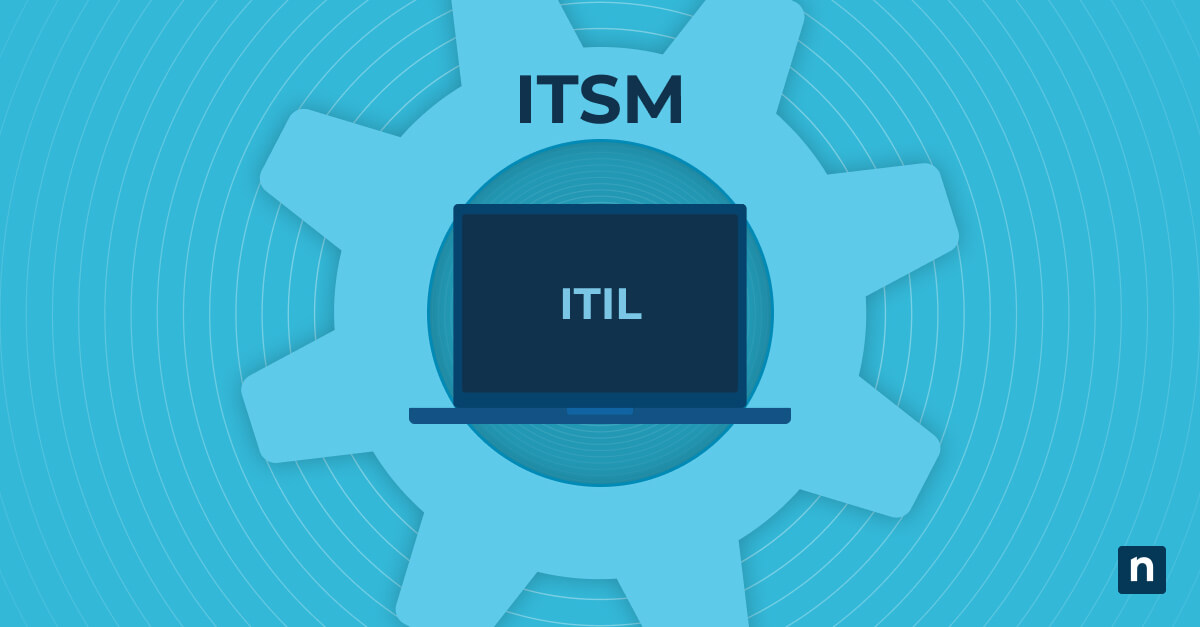
Information Technology Infrastructure Library (ITIL) provides structured processes and consistent service delivery, making it a standard framework for IT service management.
However, due to the evolution of technology, modern IT environments require faster response times and better flexibility.
This means ITIL is slightly outdated, unable to provide IT companies with the services they need. Thankfully, Agile methodologies address those needs by emphasizing adaptability and iterative improvement.
By combining ITIL with Agile, companies can create a hybrid approach that balances structure with flexibility. This ensures organizations can respond more effectively to changing demands.
Why traditional ITIL struggles in modern environments
In today’s fast-paced landscape, traditional ITIL can become a bottleneck since it’s originally designed for stable IT environments. Lengthy approval processes and strict change management procedures often slow down innovation.
The emphasis on documentation also reduces efficiency, especially when teams need to respond quickly. Additionally, ITIL’s siloed processes can limit collaboration, making it harder to align with modern development practices.
The rigidity of traditional ITIL hinders responsiveness and makes it harder to keep up with evolving business needs, especially since companies are shifting toward continuous delivery and rapid iteration.
How Agile changes service management
Agile transforms service management by prioritizing speed and flexibility. Agile encourages iterative development where services are delivered in manageable increments. This allows teams to gather feedback early and make adjustments quickly.
Agile also promotes collaboration between teams, breaking down silos and improving communication across functions. Regular feedback loops ensure services evolve based on needs instead of assumptions.
Agile enables organizations to respond more effectively to shifting priorities by focusing on delivering value quickly and adapting to change, making service management more customer-centric.
The difference between structure and flexibility
The main difference between ITIL and Agile is their approach to managing work. ITIL emphasizes structured processes and standardized procedures to ensure consistency and control.
This is valuable for maintaining stability and meeting compliance requirements. On the other hand, Agile focuses on flexibility, encouraging teams to adapt quickly based on feedback.
It values individuals and interactions over strict processes and prioritizes working outcomes over documentation. Agile enables rapid innovation while ITIL provides a strong governance framework.
How hybrid ITIL and Agile models work
A hybrid ITIL and Agile model combines the frameworks’ strengths to create a more balanced approach to service management. Companies retain ITIL’s structured processes for governance, risk management, and compliance, ensuring stability.
Meanwhile, Agile practices are introduced to improve speed and collaboration. For example, companies can use Agile principles to streamline change management processes, resulting in faster approvals.
Integration with DevOps further enhances automation and continuous delivery. A hybrid approach enables teams to work more efficiently while adhering to necessary controls.
Benefits of combining ITIL and Agile
Combining ITIL and Agile empowers organizations to achieve stability and responsiveness. A key benefit of this approach is faster service delivery, as Agile practices reduce delays and enable quicker iterations. Meanwhile, ITIL ensures processes are controlled and aligned with governance requirements.
This combination improves user experience by delivering services that are reliable and responsive to feedback. It also enhances alignment with business goals, as teams can adapt to changing priorities. In addition, continuous improvement becomes a core part of operations, with regular feedback driving process enhancements.
Challenges of adopting Agile ITIL
Adopting a hybrid approach is complex and requires organizational change. A common challenge is resistance from teams used to traditional processes, as shifting mindsets takes time and effort.
Aligning different teams can also be difficult, especially when they have different priorities or workflows. Balancing control with flexibility is another issue, as too much structure can limit agility, while too little leads to inconsistency.
Maintaining standardization across processes while allowing for adaptability requires planning. Companies must invest in training and leadership support to navigate these challenges.
When to use a hybrid approach
A hybrid ITIL and Agile approach is most effective in environments that require stability and rapid change. It’s useful for companies managing complex services that remain reliable while evolving quickly to meet user needs.
This model works well when teams operate across different workflows, such as traditional IT operations and Agile development teams. It’s also beneficial when continuous improvement is a priority, as it enables regular feedback.
Organizations undergoing digital transformation or adopting DevOps practices benefit from this approach, as it supports structured governance and the flexibility needed to innovate.
Balancing structure and agility for modern IT service management
Traditional ITIL gives structure and reliability, but it struggles in fast-changing environments. On the other hand, Agile introduces flexibility and speed, making it more capable of meeting modern IT demands.
For companies, combining the two approaches creates a balanced model that supports efficient service delivery.
Related topics: