KB5087537: Overview with user sentiment and feedback
Last Updated May 17, 2026
Probability of successful installation and continued operation of the machine
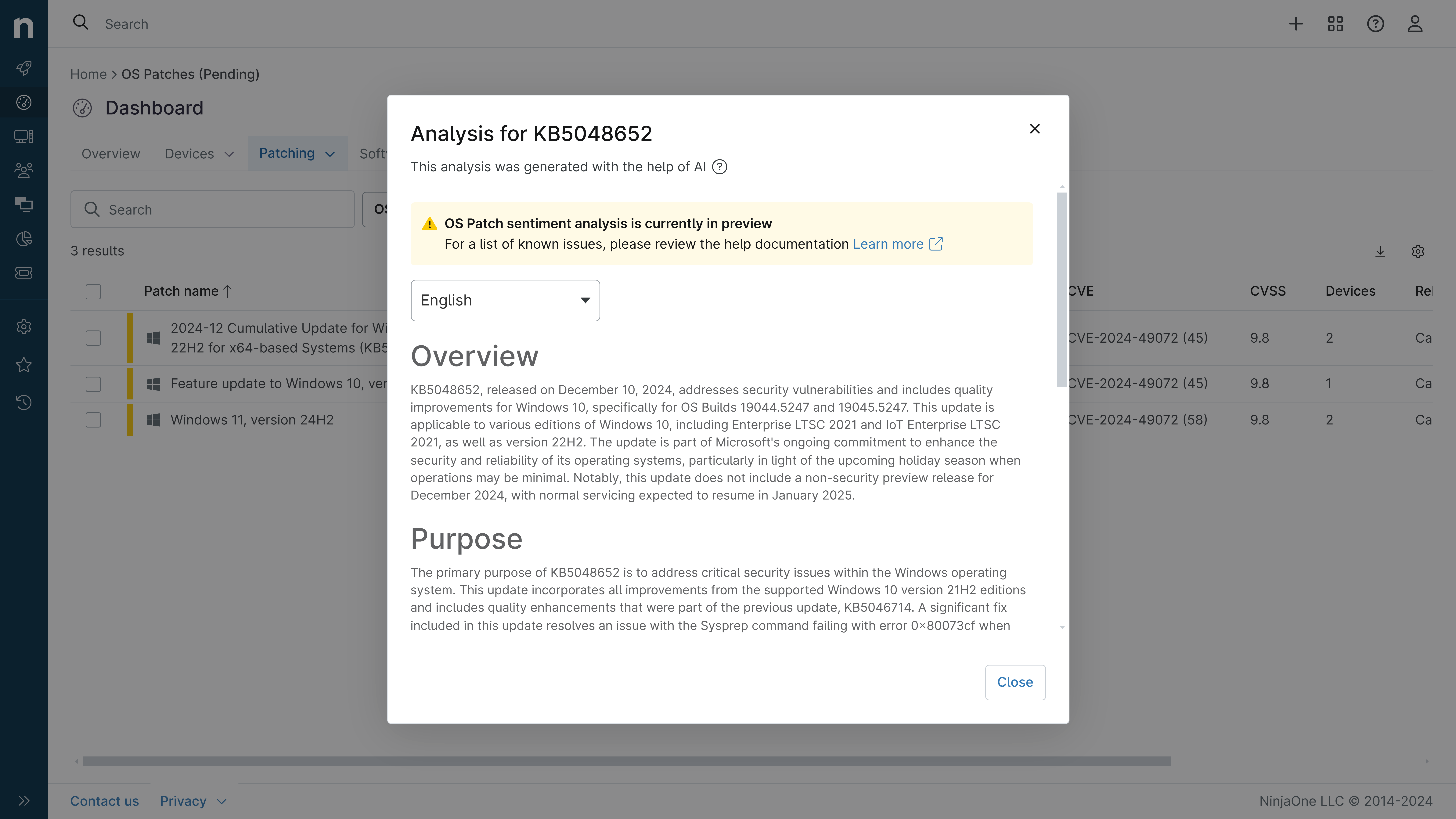
Overview
KB5087537 is a cumulative security update released on May 12, 2026, for Windows Server 2016 and Windows 10 version 1607 Enterprise LTSB 2016, bringing the OS build to 14393.9140. This update addresses critical infrastructure concerns related to Secure Boot certificate expiration, which affects device boot capabilities starting in June 2026. The patch consolidates security fixes and quality improvements from previous cumulative updates released in April and May 2026, including KB5082198 and KB5091572.
The update encompasses multiple areas of system functionality, including Remote Desktop rendering improvements, sign-in authentication fixes, and timezone adjustments for regional DST compliance. A significant component of this release involves Secure Boot certificate management, introducing automation scripts and device targeting enhancements to ensure devices receive updated certificates through a controlled rollout mechanism. Organizations managing Windows Server 2016 deployments should note that this operating system approaches end of support on January 12, 2027, making timely security updates increasingly important for maintaining compliance and security posture.
General Purpose
This cumulative update addresses several critical and quality improvements for aging Windows Server 2016 and Windows 10 LTSB 2016 systems. The primary focus involves resolving Secure Boot certificate expiration concerns that could prevent devices from booting securely beginning in June 2026. The patch includes a corrective measure for Remote Desktop Connection security warning dialogs that rendered incorrectly on multi-monitor setups with varying display scaling configurations, particularly affecting systems that received prior security updates from April 2026 onwards. Additionally, the update resolves a sign-in regression introduced in March 2026 where users experienced false "no Internet" errors when authenticating with Microsoft accounts, preventing access to critical services including Microsoft Teams. The update also incorporates daylight saving time adjustments for Egypt to align with government-mandated DST policy changes from 2023. For IT professionals managing device fleets, the patch introduces new SecureBoot automation scripts and enhanced device targeting capabilities designed to facilitate controlled certificate deployment across Active Directory environments.
General Sentiment
Community reception of KB5087537 presents a mixed picture. While the official Microsoft documentation indicates no known issues at release, real-world deployment experiences reveal significant compatibility concerns that contradict this initial assessment. Administrators managing Distributed File System (DFS) Namespace infrastructure have reported critical service failures following installation, with DFS Namespace becoming inaccessible and returning "RPC server unavailable" errors. These failures appear to stem from potential RPC hardening or service binding changes introduced in the update, suggesting unintended regressions in core networking functionality. The issue is particularly concerning because it affects both DFS Namespace servers and domain controllers, creating widespread infrastructure disruption. However, the positive aspects of the update—particularly addressing Secure Boot certificate expiration and sign-in authentication issues—are recognized as necessary security measures. The disconnect between Microsoft's "no known issues" statement and reported field problems suggests either incomplete testing coverage or issues that emerged only in specific deployment configurations. IT professionals should approach this update with cautious optimism regarding its security benefits while maintaining heightened vigilance for DFS-related complications.
Known Issues
- DFS Namespace Service Failure: After installation, DFS Namespace services become inaccessible with "The RPC server is unavailable" error, affecting both DFS Namespace servers and domain controllers running Windows Server 2016. Uninstalling the update restores functionality immediately.
- RPC Hardening Conflicts: Potential conflicts with RPC authentication level enforcement or service binding changes that may prevent DFS Management snap-in from communicating with updated servers.
- DFS Service Registration Issues: The update may alter how dfssvc.exe binds to the RPC endpoint mapper (Port 135) or dynamic ports, causing failure to register its interface.
Disclaimer: We take measures to ensure that AI-generated content is of the highest possible quality, but we cannot guarantee its accuracy and recommend that users do their own independent research. Generated on 2026-05-17 12:59 AM