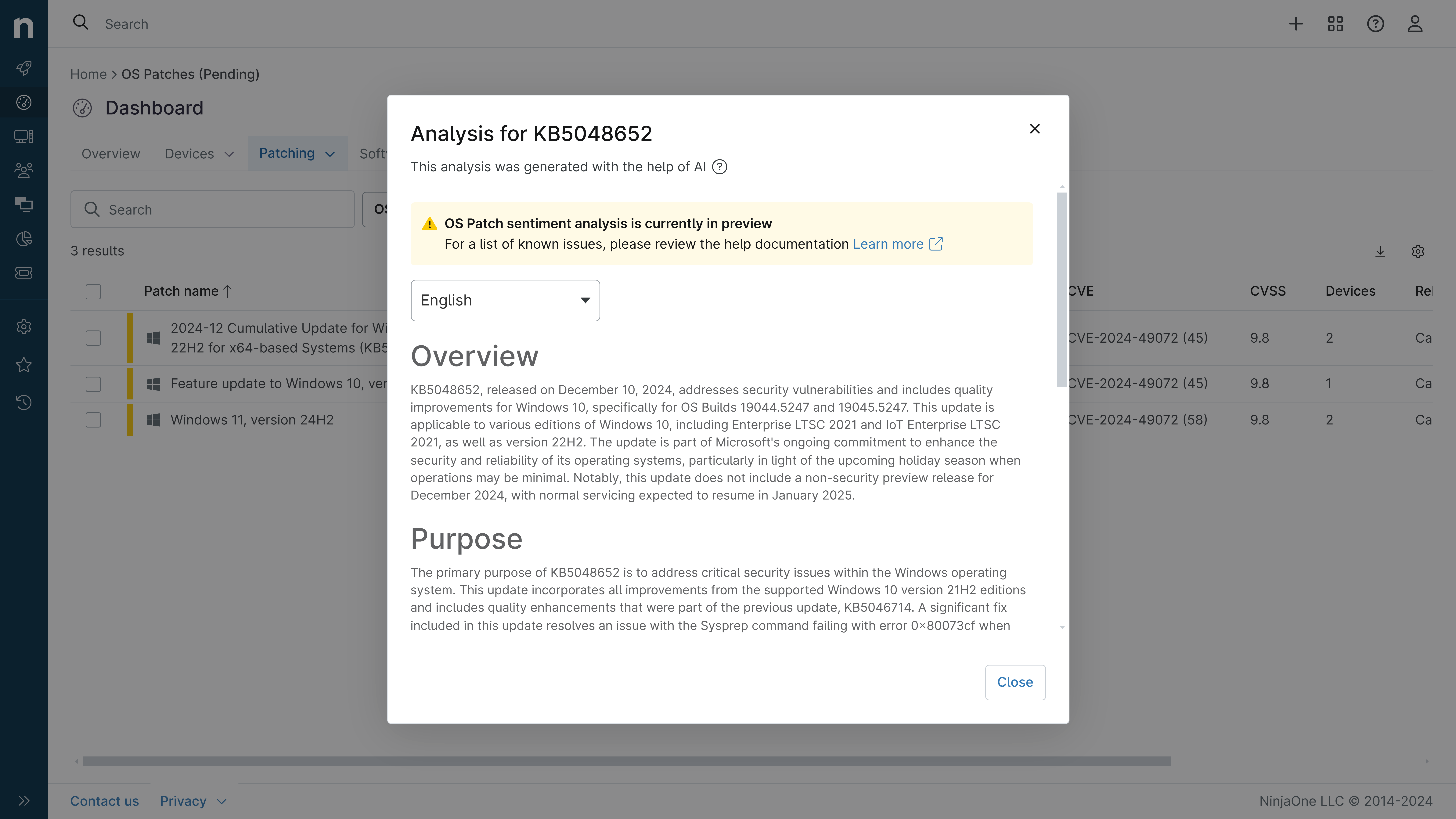
KB5073724: Overview with user sentiment and feedback
Last Updated February 28, 2026
Probability of successful installation and continued operation of the machine
Overview
The January 2026 Windows 10 Extended Security Update (ESU) KB5073724 addresses several security vulnerabilities and quality improvements. This update includes fixes for issues related to Secure Boot certificate expiration, credential autofill behavior, and updates to the Windows core component WinSqlite3.dll. However, this update has also introduced some known issues that users should be aware of.
General Purpose
The key changes included in this update are:- Secure Boot certificate updates: This update includes a subset of high confidence device targeting data to automatically receive new Secure Boot certificates, ensuring a safe and phased deployment. This is important as Secure Boot certificates used by most Windows devices are set to expire starting in June 2026.- Credential autofill security hardening: This update introduces a security behavior that restricts certain applications from autofilling credentials during remote support sessions or automated authentication workflows. This change prevents credential dialogs from responding to virtual keyboard input from remote desktop or screen sharing tools.- WinSqlite3.dll update: The Windows core component WinSqlite3.dll has been updated. Previously, some security software may have detected this component as vulnerable, but this issue has now been resolved.- Modem driver removal: This update removes several modem drivers (agrsm64.sys, agrsm.sys, smserl64.sys, smserial.sys). Modem hardware dependent on these drivers will no longer work in Windows after installing this update.
General Sentiment
While this update addresses important security vulnerabilities and makes some quality improvements, it has also introduced several known issues that users should be aware of. Many users have reported that after installing this update, their systems start freezing or becoming unresponsive after 4-5 minutes of use. This appears to be a widespread problem affecting a variety of Windows 10 devices, not just specific hardware configurations.Additionally, some users have experienced issues with certain applications, such as Discord and Outlook, becoming unstable or unresponsive after the update. There have also been reports of problems with cloud storage integration and Azure Virtual Desktop/Windows 365 connectivity.Overall, the sentiment around this update is quite negative, as the freezing and stability issues seem to be causing significant disruption for many Windows 10 users. While the security and quality improvements are important, the negative impact on system stability is a major concern that Microsoft will need to address.
Known Issues
- Some devices with Virtual Secure Mode (VSM) enabled may fail to shut down or hibernate after installing this update, instead restarting the device.- Apps may become unresponsive when saving files to cloud-based storage locations, such as issues with Outlook hanging when saving PST files to OneDrive.- Credential prompt failures have been reported during Remote Desktop connections using the Windows App on Windows client devices, impacting Azure Virtual Desktop and Windows 365 functionality.
Disclaimer: We take measures to ensure that AI-generated content is of the highest possible quality, but we cannot guarantee its accuracy and recommend that users do their own independent research. Generated on 2026-02-28 07:24 AM