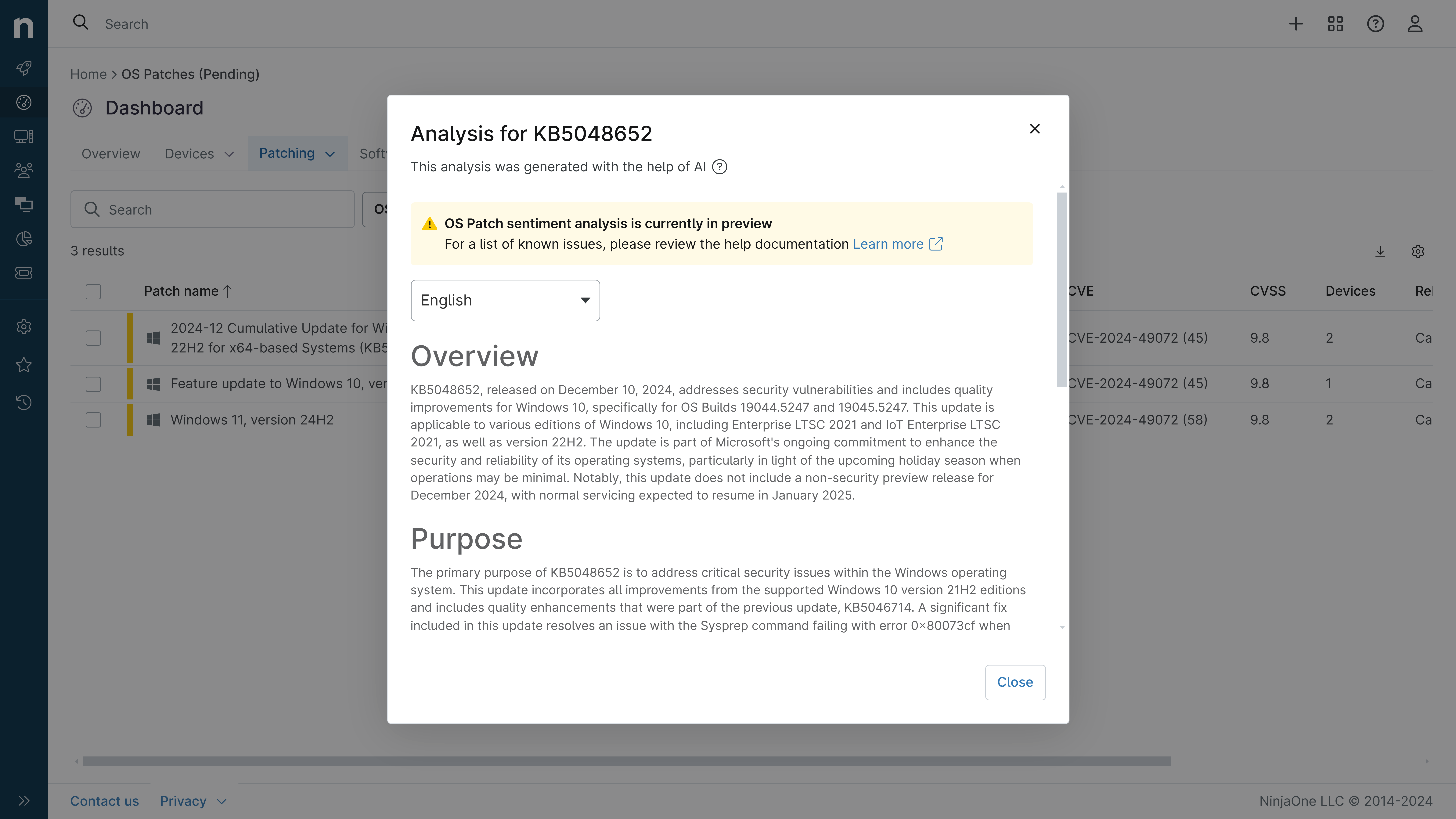
KB5073455: Overview with user sentiment and feedback
Last Updated February 28, 2026
Probability of successful installation and continued operation of the machine
Overview
This cumulative update for Windows 11, version 23H2 (KB5073455), includes the latest security fixes and improvements, along with non-security updates from last month's optional preview release. The update addresses several key issues, including compatibility, networking, power and battery, and secure boot. It also includes a fix for a vulnerability in the Windows core component WinSqlite3.dll that was previously detected by some security software.
General Purpose
The main purpose of this update is to address security vulnerabilities and provide quality improvements for Windows 11 version 23H2. Key changes include:- Removal of certain modem drivers that were causing compatibility issues- Fixes for networking issues in Windows Subsystem for Linux and Azure Virtual Desktop- Improvements to power management for devices with Neural Processing Units- Introduction of a new process for automatically updating Secure Boot certificates on eligible devices- Update to the WinSqlite3.dll component to address a previous vulnerability detection
General Sentiment
Overall, the sentiment around this update seems mixed. While it addresses several important security and quality issues, there are also some known problems that have been identified, including connection and authentication failures in Azure Virtual Desktop and Windows 365, as well as issues with devices failing to shut down or hibernate properly. The update also makes some changes that could impact certain users, such as the removal of specific modem drivers. So while the update provides important fixes, there are also potential disruptions that IT administrators will need to be aware of and plan for. Careful testing and monitoring will be important before broadly deploying this update across an organization.
Known Issues
- Connection and authentication failures in Azure Virtual Desktop and Windows 365- Secure Launch-capable devices might fail to shut down or hibernate- Apps might become unresponsive when saving files to cloud-based storage
Disclaimer: We take measures to ensure that AI-generated content is of the highest possible quality, but we cannot guarantee its accuracy and recommend that users do their own independent research. Generated on 2026-02-28 01:22 AM