KB5073379: Overview with user sentiment and feedback
Last Updated February 27, 2026
Probability of successful installation and continued operation of the machine
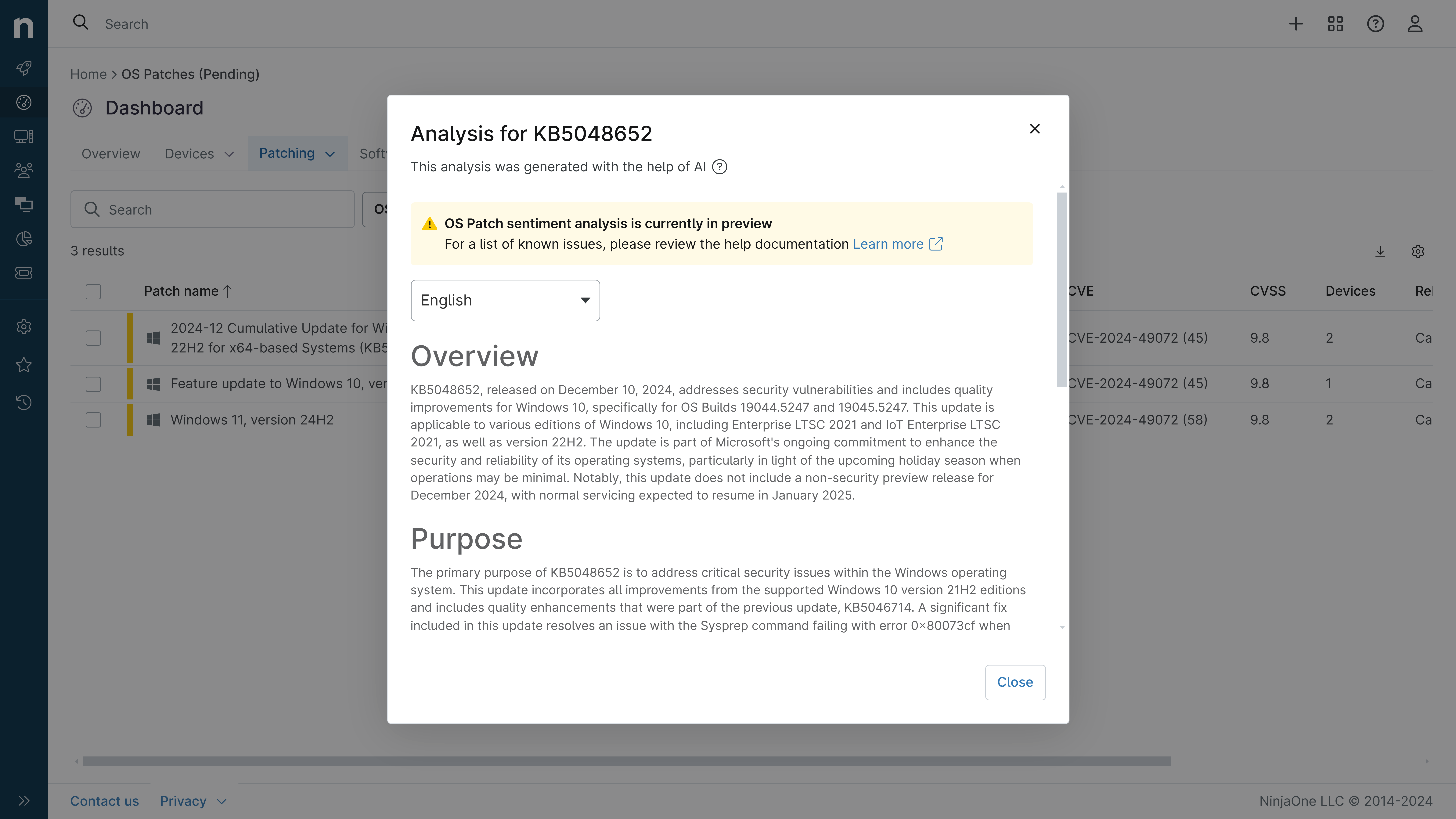
Overview
This cumulative update for Windows Server 2025 (KB5073379), includes the latest security fixes and improvements, along with non-security updates from last month's optional preview release. To learn more about differences between security updates, optional non-security preview updates, out-of-band (OOB) updates, and continuous innovation, see Windows monthly updates explained. For information on Windows update terminology, see the different types of Windows software updates.
General Purpose
This security update contains fixes and quality improvements from KB5072033 (released December 9, 2025). Key issues addressed include:- Compatibility: This update removes certain modem drivers that are no longer supported, including agrsm64.sys (x64), agrsm.sys (x86), smserl64.sys (x64) and smserial.sys (x86). Modem hardware dependent on these drivers will no longer work in Windows.- Credentials autofill: This update introduces a security hardening behavior that restricts certain applications from autofilling credentials during remote support sessions or automated authentication workflows. Credential dialogs will not respond to virtual keyboard input from remote desktop or screen sharing tools.- Networking: This update addresses an issue where users may have experienced RemoteApp connection failures in Azure Virtual Desktop (AVD) environments after installing KB5072033.- Servicing: This update addresses an issue where devices that installed the out-of-band update (KB5070881) stopped receiving Hotpatch updates. Affected machines will resume Hotpatch updates after installing the January 2026 baseline update.- Secure Boot: This update includes a subset of high confidence device targeting data to identify devices eligible to automatically receive new Secure Boot certificates. Devices will only receive the new certificates after demonstrating sufficient successful update signals.- Windows Deployment Services (WDS): This update introduces a change to stop supporting hands-free deployment functionality by default. Detailed guidance for IT administrators is available.
General Sentiment
Overall, the January 2026 security update for Windows Server 2025 appears to be a relatively straightforward update focused on security improvements and bug fixes. While it does not contain any major new features, the update addresses several known issues and vulnerabilities, including some related to remote access, deployment, and Secure Boot. The removal of certain outdated modem drivers may cause compatibility issues for some users, but this change is likely necessary to improve security and stability. The new restrictions on credential autofill functionality may also be seen as a positive security enhancement, though it could impact some remote support workflows.The update also includes improvements to servicing and deployment, which should help ensure a more reliable and secure update process for Windows Server 2025 environments. However, the change to WDS hands-free deployment may require some adjustments for IT administrators.Overall, the January 2026 update seems focused on incremental improvements and bug fixes rather than major new capabilities. While not the most exciting release, it appears to be a solid, security-focused update that should improve the stability and security of Windows Server 2025 systems.
Known Issues
- After installing KB5070881 or later updates, Windows Server Update Services (WSUS) does not display synchronization error details within its error reporting. This functionality has been temporarily removed to address a remote code execution vulnerability.- After installing the January 2026 security update (KB5073379), some users experienced credential prompt failures during Remote Desktop connections using the Windows App on Windows client devices, impacting Azure Virtual Desktop and Windows 365. This issue affects specific Windows builds and is addressed in KB5077793.- After installing this update, some applications may become unresponsive or encounter unexpected errors when opening files from or saving files to cloud-based storage like OneDrive or Dropbox. In certain Outlook configurations that store PST files on OneDrive, Outlook may hang and fail to reopen unless the process is terminated or the system is restarted. Users may also see missing sent items or previously downloaded emails being re-downloaded. Contacting the application developer or moving PST files out of OneDrive should resolve this issue.
Disclaimer: We take measures to ensure that AI-generated content is of the highest possible quality, but we cannot guarantee its accuracy and recommend that users do their own independent research. Generated on 2026-02-27 01:22 AM