Key Points
- Full tunnel VPN routes all device traffic through an encrypted tunnel, centralizing inspection, control, and policy enforcement.
- Full tunnel reduces exposure to untrusted networks but increases reliance on centralized VPN infrastructure.
- Routing all traffic through the VPN can impact performance by increasing latency, bandwidth usage, and gateway load.
- Full tunnel supports compliance by enabling consistent logging, monitoring, and enforcement of security policies.
- Hybrid VPN models balance security and performance by routing sensitive traffic through the tunnel while allowing trusted traffic to bypass it.
A Virtual Private Network (VPN) creates a secure connection over the internet by encrypting network traffic and transmitting it through a protected tunnel. How traffic is routed depends on the configuration.
In a full tunnel VPN, all device network traffic is routed through the tunnel, regardless of whether the destination is internal or public. While this approach provides stronger control and security, it isn’t always the best fit. Performance and scalability can become issues.
This guide explains how to determine if a full tunnel VPN strategy is appropriate for your organization.
Understanding full tunnel routing
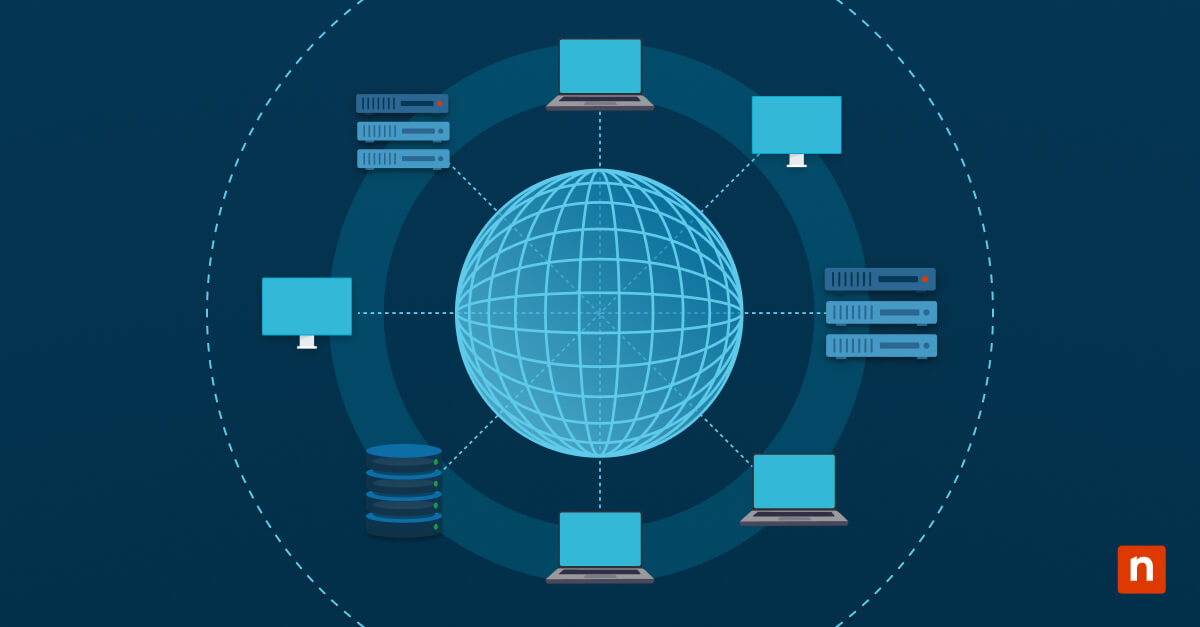
As mentioned earlier, a full tunnel VPN routes all outbound network traffic from a device through an encrypted tunnel before it reaches internal resources or the internet. In simple terms, once connected, all traffic from the device goes through the VPN first.
This gives organizations full control over how traffic is handled. Teams can inspect outbound traffic, enforce web filtering and data loss prevention (DLP) policies, log user activity from a single point, and apply consistent firewall and security controls across users and locations.
However, there’s a tradeoff. Because all traffic is routed through the VPN, even regular internet activity is included. This increases the load on the VPN and creates greater dependence on its capacity and routing efficiency.
Risk modeling and threat surface considerations
The main goal of full tunnel routing is to reduce exposure to untrusted networks. When traffic goes through the tunnel, it is encrypted and routed through a central gateway before reaching its destination.
This gives organizations more control and helps protect data, since encrypted traffic can’t be read without the proper decryption keys.
Organizations often use a full tunnel VPN when:
- Devices operate on high-risk public or shared networks
- Sensitive or regulated data is accessed remotely
- Regulations require centralized logging and monitoring
- Device security varies across users and devices
That said, full tunnel routing doesn’t eliminate risk. It shifts it to the central infrastructure.
Organizations should evaluate whether routing all traffic through a single control point actually reduces their biggest risks, rather than using it by default.
Why full tunnel VPNs support compliance and audits
Many organizations use full tunnel VPNs because they make compliance easier to manage.
Since all user traffic goes through a controlled network, teams can log and monitor activity in one place. This makes it easier to track what users are doing and meet audit requirements.
It also allows consistent enforcement of security policies, such as web filtering, and ensures that all traffic leaves through controlled points.
Performance and scalability tradeoffs
Full tunnel VPN offers strong security and compliance benefits, but it comes with tradeoffs.
Routing all traffic through a VPN gateway increases bandwidth use, adds load to the gateway, and can introduce latency, especially for users in different regions. It also raises infrastructure costs.
For distributed teams, these issues become more noticeable when traffic is routed through only a few locations. Performance-heavy apps like video calls, real-time collaboration tools, and large SaaS platforms are usually the first to be affected.
Because of this, capacity planning should focus on peak usage, not average demand.
Hybrid and adaptive VPN models
Many organizations use hybrid VPN setups to balance security and performance.
Instead of sending all traffic through one path, they route traffic differently based on what it is, who the user is, or how risky it is.
In this setup, sensitive or company-related traffic goes through the full tunnel VPN. Regular or trusted traffic, like approved SaaS apps, can go directly to the internet instead of passing through the VPN.
These decisions are based on risk, not fixed rules.
This approach helps reduce load on the VPN while still keeping strong control over important or sensitive traffic.
Integration with modern access models
Full tunnel VPN is no longer the only way to secure remote access. Many organizations now combine VPNs with identity- and context-based controls instead of relying only on the network.
Rather than using VPN as a one-size-fits-all solution, modern setups often include:
- Access based on user identity and device
- Policies that adjust based on risk or device security
- Zero Trust approaches that don’t automatically trust network access
- VPN-less access for certain apps or workflows
Looking at these together helps organizations avoid sending all traffic through one place and reduces over-reliance on the network. In this context, full tunnel VPN still has a role, but it is used more selectively instead of being the default for all remote access.
Deciding when a full tunnel VPN is the right security model
A full tunnel VPN strengthens control by routing everything through one managed path. That same design, however, puts more pressure on infrastructure and can impact performance.
Deciding whether to use it should come down to how much control and visibility the organization needs, and whether its environment can handle the added demand.
Related topics: