Key Points
- Successful modern integrations with Microsoft Entra ID require users to define scope and behavior to prevent overscoping, operational churn, and consent fatigue that can degrade admin trust and security posture.
- Narrow scopes lead to frequent re-consent, while broad scopes increase risk and unnecessary data access, and right-sized scopes help integrations scale responsibly while minimizing repeated access prompts.
- Review sign-in logs and audit logs in Entra to identify authentication issues, unexpected access behavior, and configuration or consent changes that may lead to misconfigurations and security problems.
- NinjaOne’s Entra and Intune integrations maintain a transparent, admin-owned scope, requesting only the necessary permissions for functionality, respecting the security boundaries defined by IT teams.
When you connect an application to Microsoft Entra, you’re not just authenticating users, you’re defining an operational trust boundary. How an integrated application scopes data and which entities it does not touch are part of the application’s security posture.
Therefore, it’s not enough to say, “we integrate with Entra.” How an application integrates matters just as much as whether the application integrates. This blog explores why application scope and behavior matter when integrating with Microsoft Entra, good and bad scope, and why NinjaOne is a trusted integration with Microsoft Intune and Entra.
Poorly defined integrations complicates IT security.
An application’s behavior and scope matter
In Microsoft Entra, scope defines the specific permissions and data that an application is allowed to access, ensuring it operates with the least-privileged access. When scopes are configured correctly, they ensure the app has only the minimum required access, preventing unauthorized data exposure or overly broad privileges. On the other hand, behavior describes how the app uses those permissions in practice, outlining the intended actions it performs within the environment. Together, scope and behavior help administrators validate that an integration accesses only what it needs and functions exactly as expected.
Integrating any application or software solution into your Microsoft platform should be done with the intent of improving the overall efficiency and effectiveness of your IT operations. It’s not enough to merely select a third-party tool for endpoint management, backup, patch management, warranty tracking, etc. The applications should integrate responsibly. They should:
- Request permissions
- Explain the usages for those permissions
- Provide real administrative controls
- Restrict access to a defined, knowable scope
An application that does not handle data responsibly complicates your IT operations, rather than simplifying them. This poor use of data can include:
- Pulling all data it can find — “just in case”
- Hiding how or where data is used
- Discarding much of the data with no transparency
- Repurposing it indirectly later
The right scope enables integrations for today and tomorrow
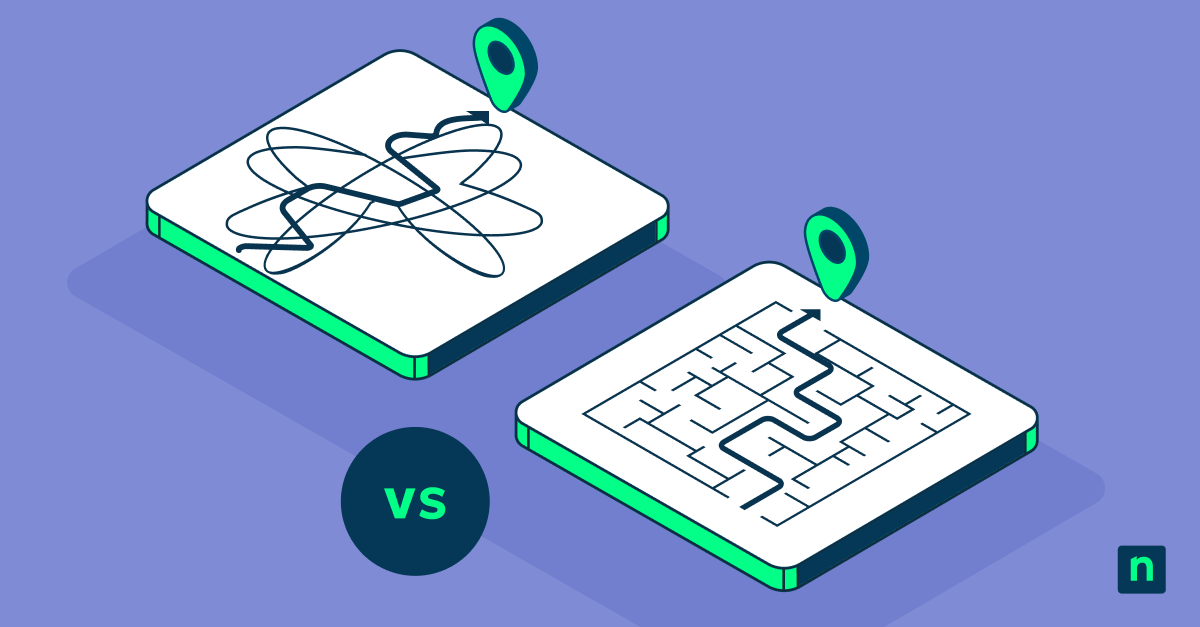
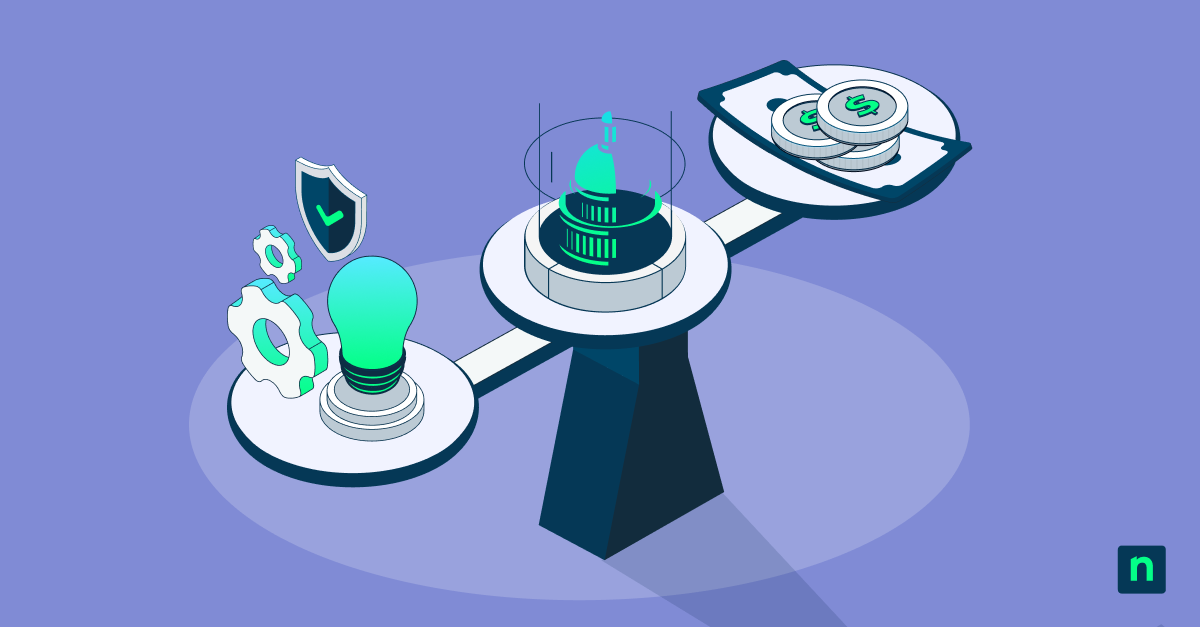
It’s important that the app or solution you’re considering for integration strikes a balance between what’s needed immediately and what will be reasonably needed in the near term. While having too broad a scope is a problem, a scope that’s too narrow is a problem as well. An application that requests permissions one at a time, in a reactive fashion, triggers repeated re-consent flows. Over time, this creates operational churn and consent fatigue.
- Operational churn occurs when administrators start to feel like the app lacks architectural direction; instead, it merely creates incremental bolt-ons to address needs as they arise.
- Consent fatigue arises when permission prompts are made so often that they stop registering as a serious checkpoint and administrators merely allow click-throughs without verifying whether the requested permissions are valid.
The ideal integration model is one that is designed to meet your needs today and also scale for future growth. An app that is “right-scoped” provides the right support today, anticipating and adapting to future needs, and building trust with the IT teams using it.
With constant re-authentication, there is a real risk that something can go awry By minimizing the number of required re-authentication requests to grant or remove access scopes, the tenant maintains more consistent and stronger permission hygiene, and the integration continues to operate at full capability. Below is a chart summarizing the key traits of narrow, broad, and right-sized application integrations.
| Too narrow | Too broad | Right-sized |
| Frequent re-consent | Overscoped and unclear | Scoped for today + tomorrow |
| Signals instability | Signals opportunism | Signals design intention |
| Fatigues admins | Concern admins | Builds trust |
Why groups are the right trust boundary
While scopes define what an app can access, group scoping can determine who can use the app. Group scoping maintains intentional, tractable, and familiar access to Microsoft-first environments. Entra and Intune include groups in their native control plane. By doing so, Entra and Intune groups:
- Map clearly to ownership and responsibility
- Reflect how MSPs segment tenants
- Support both assigned and dynamic membership
- Scale cleanly into the thousands without friction
NinjaOne also uses group scoping to better support our partners who operate on a larger scale. We focus not just on correctness, but also on the speed of experience, quick listing of groups, fast search, and multi-select. These capabilities are crucial when you’re managing real-world environments.
Integration gaps make remediation harder than it needs to be.
How can I verify that an app’s behavior matches the scopes granted in Entra?
Monitoring how your integration behaves in Microsoft Entra allows you to validate that it uses the correct scopes, authenticates as expected, and accesses only the approved APIs. Entra provides logs that allow IT administrators to track authentication attempts, permission usage, and any anomalies.
- In the Entra admin center, go to Identity > Applications > Enterprise applications (or App registrations) and locate the service principal used by your integration.
- Take note of the integrated app’s name and Object ID, as you’ll use these to filter logs.
- Navigate to Identity > Monitoring & health > Workload identities > Sign-in logs. This view displays authentication attempts and reveals unexpected behavior, such as repeated failures, calls from unusual locations, or use of credentials you didn’t intend the integration to rely on.
- Use the Add filter option and filter by Service principal or Application ID to focus only on log entries for your specific integration. Review sign-in results, Conditional Access details, and any error codes.
- Go to Identity > Monitoring & health > Audit logs, then filter by Target or Initiated by to find events related to your application. Look for changes such as updated permissions, new admin consents, or policy changes that could impact integration behavior over time.
Together, these logs provide a clear picture of application integration behavior and enable teams to quickly identify misconfigurations or potential security issues before they disrupt operations.
NinjaOne: Building toward what comes next
As NinjaOne continues to expand our integrations, we’ll keep our scope transparent and admin-owned. Our integration with Entra will improve and streamline your IT operations, reducing complexity and inefficiency. NinjaOne requests only the permissions for the integration to function smoothly while respecting the boundaries you’ve assigned to your data. You’ll know exactly what to expect when you integrate with Entra or Intune.
We build our integrations with intention because we believe our customers and partners should always be able to see what’s included, why it’s included, and what is intentionally out of scope. This is the difference between merely connecting to Microsoft Entra and integrating with it responsibly. That is how trust is earned.
Your feedback helps shape what comes next
NinjaOne has a healthy obsession with customer success, which is why we build products with our customers and publish our roadmap. Our integrations are part of this motion. We are always listening to our partners and customers to uncover use cases that would benefit from additional permission models, finer granularity, or more automation at scale.
If you have feedback for us about this integration or others (current or future), contact us at [email protected] or visit our Discord feedback channel to join the conversation. We’d love to hear from you.
Learn more about the NinjaOne integration with Microsoft Intune