
Key Points
- NinjaOne makes four predictions for IT leaders and teams in 2027, shaped by a year of AI-driven change in how people work, how software is built, and how attacks happen.
- Human skills such as judgment, creativity, and clear communication will return as the key differentiators when evaluating talent.
- A surge in AI-assisted vulnerability discovery, with CVEs likely to top 100,000 for the year, will push organizations beyond blanket patching toward faster, context-driven remediation.
- IT will take ownership of security fundamentals such as visibility and remediation, freeing security teams to focus on threats only they can address.
- Operational DEX (OpDEX) will become the new benchmark for internal IT, while experience becomes the main value differentiator for MSPs.
- Trust will take center stage, and organizations that build guardrails and secure their systems now will be more resilient and better governed by the end of 2027.
The way we work, interact, communicate, and do business has evolved considerably thanks to AI. There are now social media sites dedicated entirely to AI bots. Vibe coding has fundamentally altered how software is developed. Most work done by information workers now happens in the browser. And buzzwords like “chipflation,” “RAMageddon,” “tokennomics,” and “tokenmaxxing” all became common rhetoric this year.
From a security standpoint, the threat landscape IT and security teams face today is unlike one ever seen before. Attacks happen in seconds and cost dollars to engineer. Thanks to the advent of AI-enabled vulnerability discovery models like Claude Mythos and OpenAI’s Daybreak, the number of discovered common vulnerabilities or exposures (CVEs) for the year appears likely to top 100,000 (doubling last year’s 48,244 year-end total). All this has made security and compliance more challenging to maintain but increasingly critical, as the ground keeps moving.
There were a few things we got right in our predictions for 2026.
AI and autonomous patching have indeed moved us beyond Patch Tuesday, with Chrome and other software vendors now releasing patches on a bi-weekly basis. Organizations and individuals remain skeptical of “fully autonomous AI,” especially following various instances of AI going off the rails earlier in the year. If anything, organizations that over-rotated on AI, opting to use the technology to save costs on human talent, have had to rehire much of the workforce they let go.
The public sector, thanks to years of investment in zero-trust and other foundational security controls, hasn’t just caught up, but has found itself ahead of the private sector when it comes to security preparedness. And verticalization, co-managed IT, and enablement remain true cornerstones of MSP differentiation. But there were also many changes we could have never predicted.
Looking ahead, there are 4 main predictions we’re making for IT leaders and teams in 2027:
- In 2027, the most important skills when evaluating talent will be the human ones. Innately human skills like judgment, creativity, and the ability to express abstract ideas concisely and compellingly will make a comeback as talent differentiators.
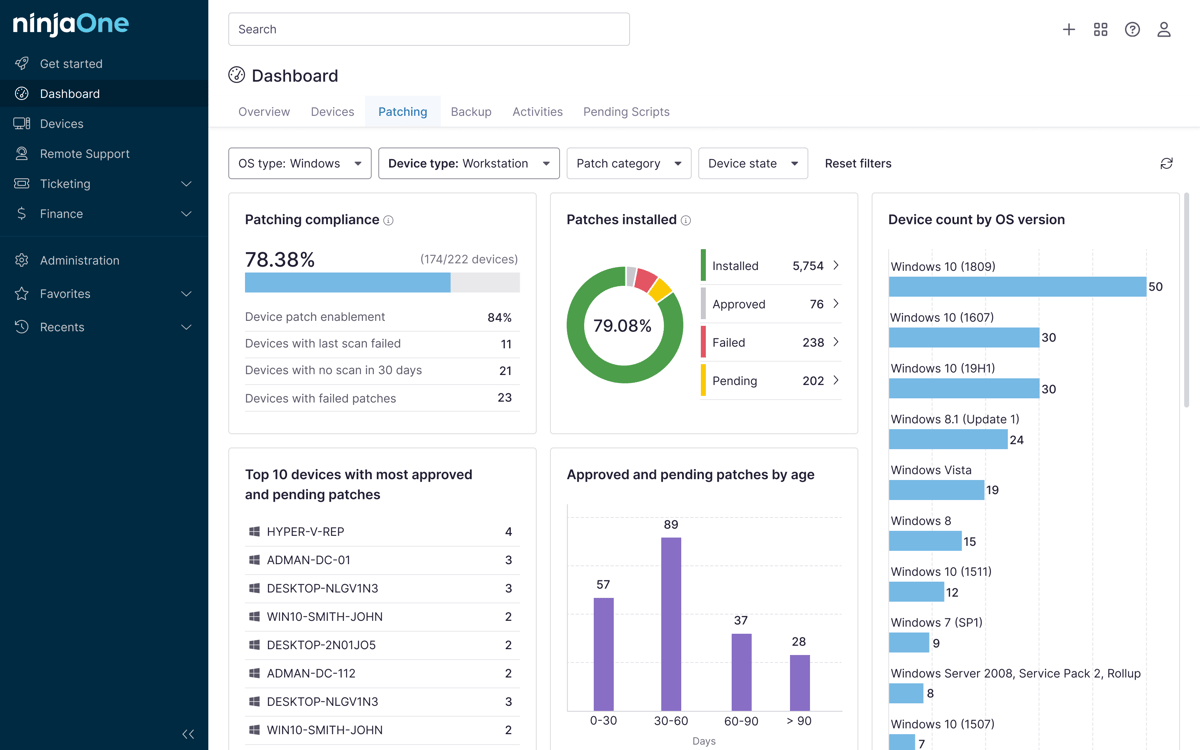
- The vulnerability wave will force organizations to move beyond blanket patching. Faster action is needed as CVE volumes swell, but speed means little without improved accuracy. IT teams need tools and resources that enable them to apply patches faster and with context, not just based on general severity scoring.
- IT will start owning security fundamentals outright. Gaps between IT and security are where risk lives. In areas where security and remediation start with visibility, IT teams will take on the role as the de facto owner. Reinforcing resilience, while freeing security to focus on the threats only they can combat.
- The way user experience is valued and measured changes. For internal IT teams, Operational DEX (OpDEX) will emerge as the new benchmark for smooth enterprise operations. For MSPs, experience will emerge as the ultimate value differentiator.
Trust takes center stage in 2027. After the lessons learned in 2026, organizations and individuals alike will be asking harder questions about where AI belongs in their operations, their workforce, and their lives. Those who take the time now to build guardrails and secure their systems will end 2027 more resilient, better-governed, and better able to deliver more reliable and trusted AI-driven outcomes.
Delve deeper into NinjaOne’s 2027 predictions. Download the e-book now.