Key Points
- Create a purpose statement for your client check-ins and include it in your internal SOPs.
- Build a one-page agenda that highlights key service updates, client feedback, risk assessment, and next steps.
- Use themes to guide the discussion and avoid overwhelming your clients with data.
- Record client insights directly after each check-in, then analyze and track action items.
- Embed client check-ins into your governance cadence, alternating meetings with QBRs for continuous visibility and proactive client engagement.
Most MSPs assume that client check-ins should be data-driven or tied to major initiatives, such as data migration and compliance projects. But in reality, clients value consistent communication the most. They want to hear from their MSPs regularly, regardless of whether there’s an active project or not.
The challenge here is keeping these meetings meaningful. Without a report to review or a strategy to discuss, how do you convince your technicians to attend these meetings? More importantly, how do you make sure that these discussions remain productive and of value?
This guide shows you how to conduct high-value client check-ins that reinforce trust and build strong client relationships.
Building a structured framework for conducting high-value client check-ins
Client check-ins don’t necessarily have to be lengthy or data-rich to be considered productive. With the right framework in place, you can conduct lightweight meetings that deliver real value to your clients.
📌Prerequisites:
- A standard agenda template for lightweight check-ins to ensure consistency across meetings and help participants stay focused.
- Service performance or client satisfaction snapshots that summarize key metrics, including ticket categories, SLA adherence, CSAT surveys, and other KPIs.
- A designated leader for the client check-ins. This could be the account manager or the client success manager.
- Governance process for documenting action items and follow-ups to ensure transparency and continuity after client meetings.
Step 1: Define the purpose of the client check-in
Start by defining the purpose of your client check-ins. Create a purpose statement outlining the objectives you want to achieve through these meetings. These may include:
- Reassuring clients that they remain a priority
- Providing real-time updates on service stability and risk posture
- Capturing client feedback on daily operations
- Identifying emerging business needs or trends
Include the document in your internal SOPs so that your internal team stays aligned when it comes to running client check-ins.
Deliverable
A purpose statement included in the internal check-in SOPs
Step 2: Build a lightweight agenda
Build a simple, repeatable agenda that keeps your client meetings focused and efficient. It should include:
- Service Highlights: Review key tickets closed and summarize system stability.
- Client Experience: Celebrate wins and discuss challenges or feedback.
- Risk Awareness: Share at least one proactive monitoring insight or industry concern.
- Next Steps: Explore follow-up actions and opportunities.
This structure ensures that your team covers essential topics while allowing for open dialogue.
You can share this agenda with your clients in advance so that they know what to expect during the meeting. Doing so also gives your clients enough time to prepare any concerns or questions they may want to discuss.
Deliverable
A reusable, one-page agenda template
Step 3: Use themes instead of data dumps
Make your client check-ins more productive and valuable by focusing on trends rather than raw metrics. Here are some examples of thematic talking points you can use during your meetings:
- “We noticed several password reset requests—would training or automation help?”
- “No critical tickets this quarter show strong stability—let’s talk about what to do next.”
- “Our other clients are asking about multi-factor authentication (MFA) adoption—how does this fit your roadmap?”
Tie these talking points to service categories instead of project points to prevent overwhelming your clients.
This approach encourages strategic thinking and sparks meaningful dialogue between your team and your clients.
Deliverable
Talking points tied to service categories
Step 4: Capture feedback and turn it into action
Use your client check-ins to create a structured feedback loop that drives improvements.
Log your clients’ suggestions into ticketing or documentation systems to demonstrate that you’re acting on their feedback. Translate these insights into quick wins or proposals to show that you’re taking their input seriously.
Finally, share a follow-up summary email within 48 hours to reinforce accountability and build transparency. These steps reassure your clients that your team is proactively improving their workflows and is dedicated to helping them succeed.
You can create a simple tracker for check-in outcomes so that your team stays organized and ready for governance audits.
Deliverable
A “check-in outcomes” tracker for governance audits or performance reviews
Step 5: Integrate lightweight client check-ins into governance cadence
Finally, integrate these check-ins into your governance cadence. Conduct these meetings on a monthly or bi-monthly basis so that clients see them as part of your MPS’s established client engagement model.
You can also alternate these lightweight check-ins with comprehensive quarterly business reviews (QBRs) to strike a balance between effort and strategic depth.
Automation can help you simplify this process. For instance:
- Your PSA tool can auto-schedule recurring client check-in reminders.
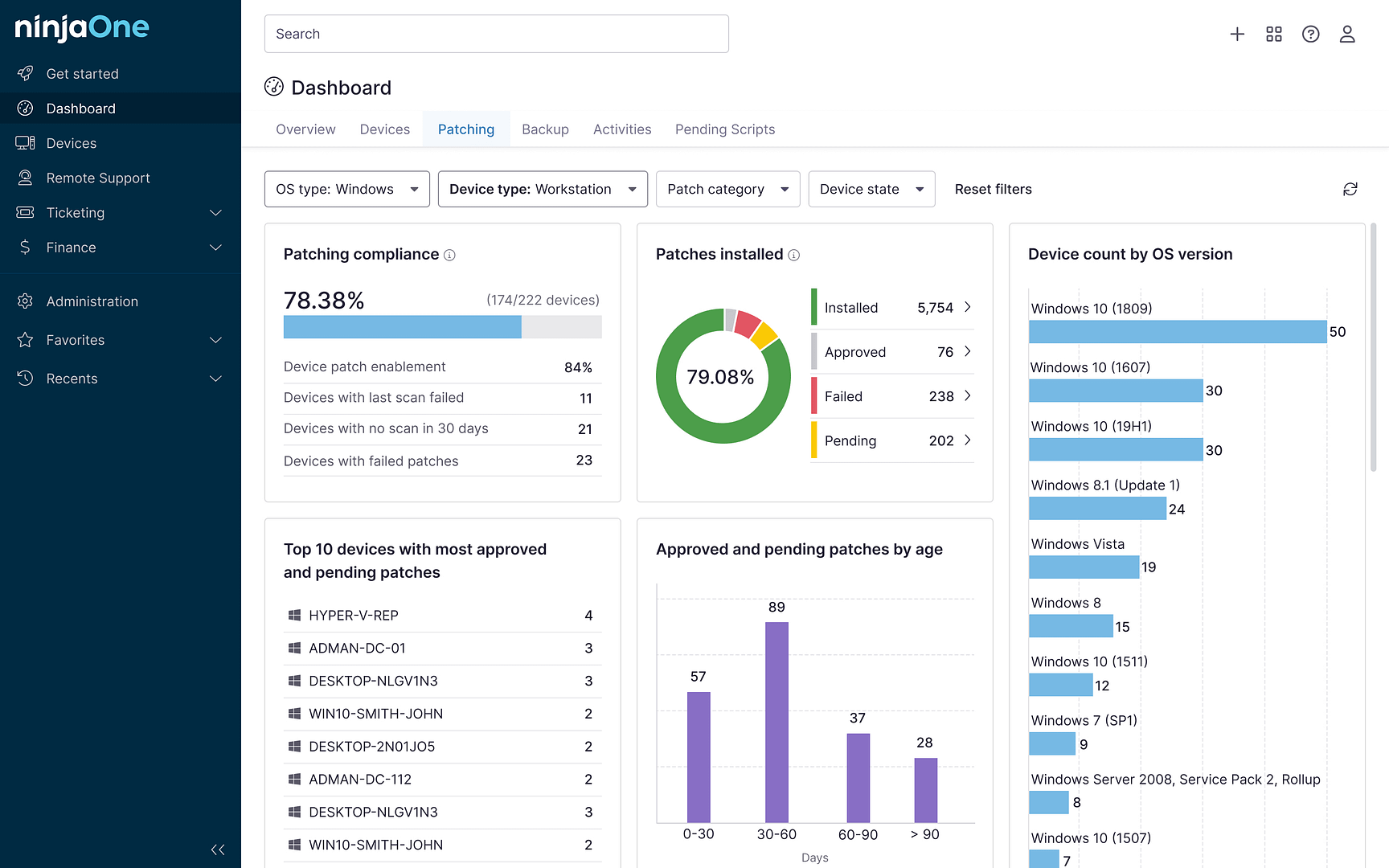
- NinjaOne can automatically export a one-page service snapshot that covers tickets, patching, and backup jobs.
- The meeting agenda can be auto-attached to calendar invites.
- Follow-up actions can be logged and tracked automatically after the meetings.
This workflow reduces manual effort and allows your team to focus on delivering exceptional service.
In addition to alternating between QBRs and check-ins, use the insights and trends gathered from these meetings as a roadmap for your clients’ future needs.
Embedding lightweight check-ins into your operations allows you to gain complete visibility into client satisfaction. It provides you with all the insights needed to anticipate their future needs and drive continuous service improvements.
More importantly, it reinforces the idea that your MPS is a proactive partner, not a reactive vendor.
Deliverable
A documented cadence calendar to be shared with clients and internal teams
Summary of best practices for running high-value client check-ins
| Component | Purpose/Value | Deliverable |
| Define the purpose of the client check-ins. | Keeps meetings client-focused and goal-oriented | A well-defined purpose statement |
| Use lightweight agendas. | Makes client check-ins efficient and easy to replicate | A repeatable one-page agenda template |
| Focus on themes rather than raw metrics. | Prevents overwhelming clients with numbers and fosters strategic dialogue | A list of talking points tied to service categories |
| Capture and act on feedback. | Demonstrates responsiveness to feedback and builds long-term trust | A “check-in outcomes” tracker |
| Integrated into cadence. | Maintain ongoing value and strengthen client relationships between QBRs | A documented governance cadence calendar |
Improving client check-in workflows with NinjaOne
MSPs can use NinjaOne to:
- Generate lightweight service snapshots for client check-ins
- Automate reminders and recurring calendar invites
- Store agenda templates and feedback logs in NinjaOne Documentation
- Track follow-up items as tickets or tasks
- Present check-in summaries during QBRs as evidence of consistent engagement.
With NinjaOne, MSPs can transform routine client check-ins into meaningful conversations that deliver real value and strengthen client relationships.
Quick-Start Guide
Key Features That Support High-Value Client Check-Ins:
- Automated Monitoring and Reporting
- NinjaOne’s RMM can automate patch and software management and collect/present data according to specific client needs.
- It provides dashboards and reporting tools that allow you to monitor client environments proactively.
- Client-Focused Tools
- NinjaOne offers client-facing portals and dashboards that give clients visibility into their own environment.
- You can create customized reports and alerts that are valuable to clients without needing project-specific data.
- Proactive Monitoring
- The platform enables MSPs to deliver proactive monitoring and maintenance, which can be part of high-value check-ins.
- Features like network health checks and end-of-support software reporting help identify issues before they impact clients.
- Integration Capabilities
- NinjaOne integrates with other tools and can pull data from various sources, reducing dependency on any single project dataset.
Recommendations:
- Use NinjaOne’s built-in reporting and dashboard features to create standardized check-in templates focused on client value metrics (uptime, performance, security posture).
- Leverage the automated monitoring to gather relevant data points that demonstrate value without needing deep project-specific analysis.
- Consider using the client portal features to give clients self-service access to important metrics during check-ins.
The platform is designed to provide actionable insights that can be used for high-value client interactions beyond just project-based data.
Maintaining engagement and building trust through high-value client check-ins
You don’t need to do in-depth project reviews to run successful client check-ins. Structure and consistency alone can help you start low-effort, high-impact conversations with your clients.
By standardizing agendas, shifting the focus of discussions on service themes, and closing the loop on actionable insights, you can strengthen your client relationships and discover new opportunities for growth even during the quietest periods.
Related topics: