Aside from providing excellent service, it is highly important for an MSP’s internal handoff between teams to be seamless. A successful handoff is especially essential between frontline support and project teams. Optimizing such handoff entails having a consistent process for ownership transfers, automation, and confirmation between teams. This article discusses ways to improve internal handoffs between MSP teams.
Technicians, project teams, and escalation: When should a ticket or project transition between teams?
Not every IT ticket has to stay in the helpdesk queue. Effective operations set clear thresholds that help internal teams determine which issues should be moved to a different pipeline. Knowing these thresholds is the first step to having an effective helpdesk-to-project-team handoff process.
Generally, tasks that follow any of the thresholds below should be transitioned to the appropriate team:
- Tasks that exceed the helpdesk scope and require specialized skills, tools, or advanced troubleshooting
- Client-approved work, such as scoped QBR items or pre-sold upgrades
- Recurring issues that need project resolution
Well-established thresholds also prevent “bounce-back” escalations and premature handoffs, enhancing operational efficiency.
Creating a project handover template: What should you include in a project handover?
A clean handoff process is context-rich and summarizes a ticket concisely. At a minimum, a clean handoff requires the following:
- A detailed handoff summary with the following information:
- Client name and ticket ID: Identifies the case and ensures correct tracking
- Detailed resolution attempts and technical steps taken: Shows what has been tried and prevents duplicate work
- Attachments (logs, screenshots, configurations): Provides evidence and technical context for faster troubleshooting
- Escalation reason (e.g., exceeds Tier 2 scope): Explains why the ticket is being transferred
- Named contact for follow-up or clarification: Ensures accountability and easy communication
- Deliver through PSA notes (preferred) or secondary Slack/Teams thread for real-time nuance.
- Time-stamp all transitions and require confirmation of receipt from project teams (e.g., within four business hours).
Best practices for helpdesk to project handoffs
Aside from maintaining consistent documentation, the following are best practices when it comes to handoffs:
- Use a shared checklist or handoff form for every transfer.
- Create a custom PSA status (e.g., “Ready for Projects”) to route escalations with triggers.
- Track repeat failures (e.g., bounced tickets, delayed confirmations) and coach accordingly.
- Pre-stage access: Project teams should have RDP credentials or VPN access to avoid delays.
- Categorize escalated tickets by type (e.g., infrastructure, licensing) for routing and reporting.
- Review closed handoffs quarterly to analyze breakdowns and standardize wins.
- Maintain process integrity even during process maturity by employing governance and internal oversight structures such as:
- Updating a living SOP covering handoff procedures
- Assigning team leads or coordinators to review handoff completeness
- Using a feedback log to track delayed or unclear transitions
- Refreshing handoff templates quarterly based on internal team feedback
How can MSPs integrate NinjaOne in their internal handoff processes?
With NinjaOne, MSPs can streamline the handoff processes significantly. Here are some ideas that use NinjaOne’s automation tools and services:
- Create a custom PSA status (e.g., “Escalated to Projects”) and configure an automation so that, when a ticket is moved to this status, designated project team leads are automatically notified
- Store handoff summaries in custom fields or ticket notes within NinjaOne
- Apply ticket categories or tags to escalated tickets in order to track and analyze common escalation trends
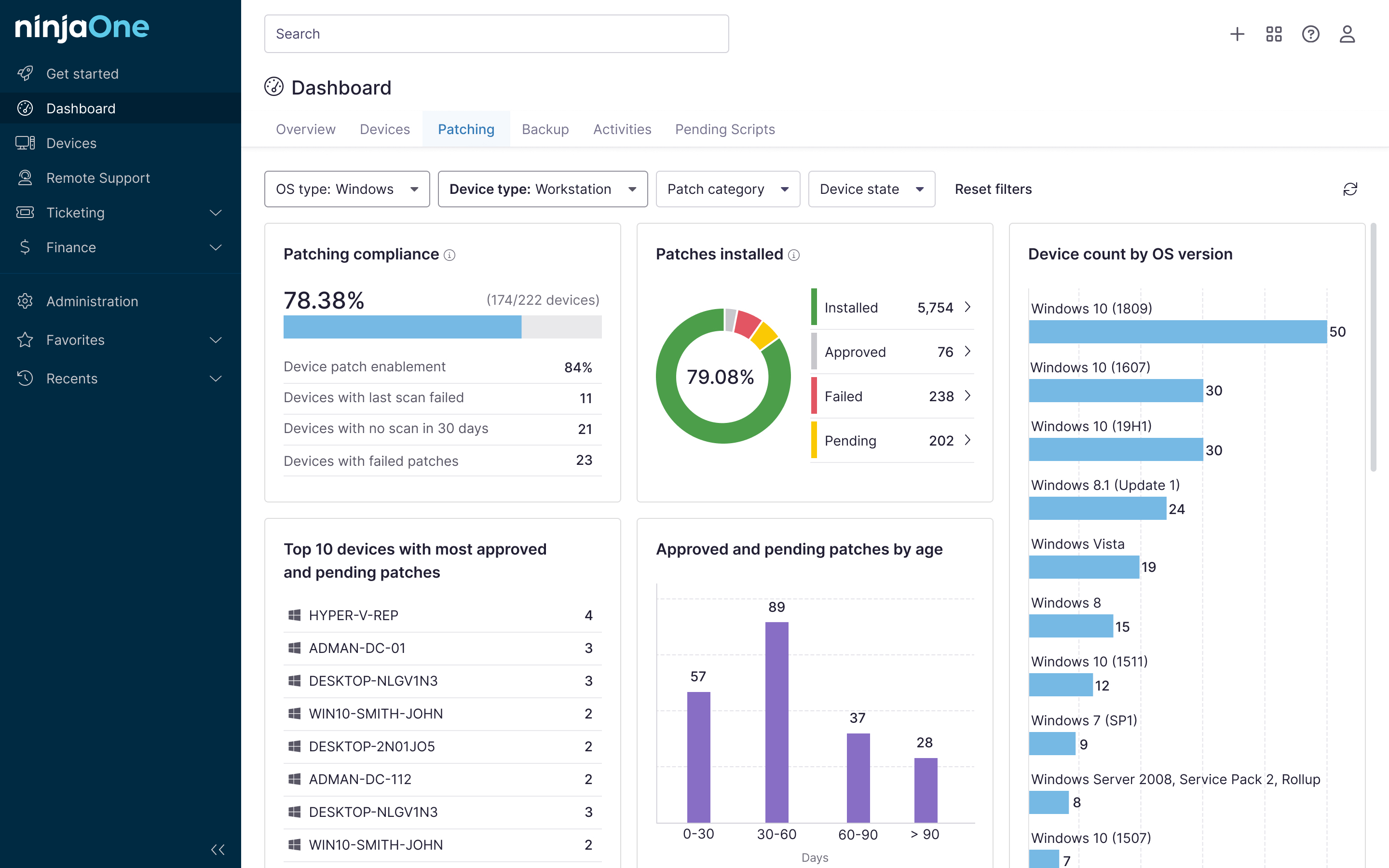
- Use NinjaOne’s reporting and dashboard features to track metrics such as average response times and the volume of escalated tickets by category, in order to identify common escalation patterns
- Use NinjaOne’s reporting and dashboard features to track metrics such as average response times and the volume of escalated tickets by category, in order to identify common escalation patterns
Quick-Start Guide
NinjaOne offers several features and best practices to improve internal handoffs for MSPs, particularly within the support and customer service teams. These improvements focus on enhancing communication, streamlining ticket handling, and ensuring a smooth transition between team members, especially when dealing with escalations or complex issues. Here’s how NinjaOne facilitates better internal handoffs:
Key Features and Practices for Improving Internal Handoffs
- Internal Notes and Documentation
- Ticket Escalation and Handoff Protocols
- Training and Coaching
- Workflow and Ticket Management
- Communication Tools
- Performance Monitoring and Feedback
Conclusion
By leveraging NinjaOne’s features such as internal notes, structured handoff protocols, targeted training, efficient workflow management, integrated communication tools, and performance monitoring, MSPs can significantly improve internal handoffs. These practices ensure that tickets are handled smoothly, customer expectations are met, and team members are supported in their roles.
Reduce confusion with a clear internal handoff process for your MSP business
MSPs that standardize internal handoffs between the helpdesk and project teams reduce delays, eliminate confusion, and keep clients confident in their experience. With documentation and automation in place, escalations become clear, structured, and easy to track, turning handoff chaos into seamless coordination.
Related topics:
- 10 IT Help Desk Best Practices for IT Professionals
- 6 Help Desk Reporting Tips for Modern IT Management
- Upskill Your IT Team: Build a Learning Culture for Success [webinar]
- What is IT Operations Management (ITOM)? Overview & Best Practices
- NinjaOne Insights: Automation Strategies to Help Your IT Team Thrive