Key Points
- Verify Basic Connectivity First: Confirm devices can reach each other by IP and hostname to isolate network transport vs discovery vs name-resolution failures.
- Enable Network Discovery, File Sharing: Ensure that both systems use a Private or Domain network and that discovery features are enabled so SMB browsing will function correctly.
- Check SMB Components, Required Services: Make sure that SMB features are installed and that services (Server, Workstation, and Function Discovery Hosts) are running.
- Correct Firewall Rules for SMB Traffic: Allow File and printer sharing and ensure Windows Firewall or third-party security tools don’t block TCP 445.
- Remove Stale Credentials, Test Authentication: Clear outdated entries from Credential Manager and reauthenticate with the correct username and password for the target share.
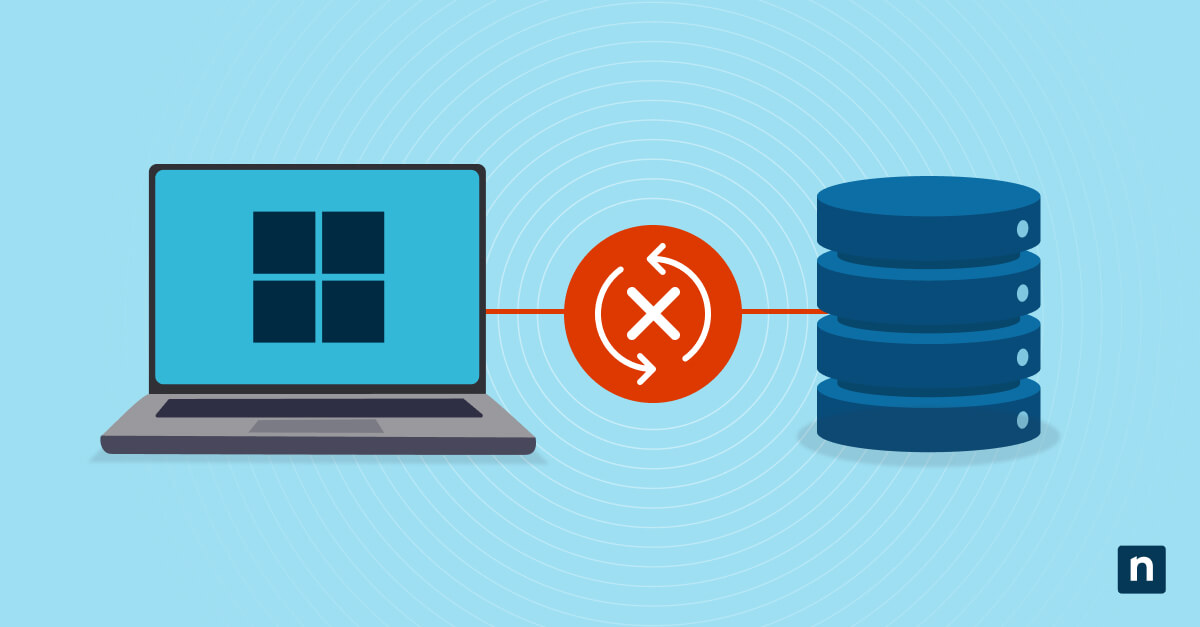
Network error 0x80070035 occurs when a Windows device cannot reach a shared resource on a local network. Although the message implies a missing path, the issue is mainly due to blocked connectivity, disabled discovery features, incorrect credentials, or failures in Server Message Block (SMB) communication or name resolution.
This guide shows how to fix error code 0x80070035 Windows error by checking basic connectivity, enabling network discovery, validating SMB components, adjusting firewall rules, correcting credentials, and testing name resolution paths so devices can access shared resources reliably.
Steps to fix 0x80070035 on Windows 11
The “Network path not found Windows 11” error in Windows 11 is almost always caused by connectivity issues, disabled discovery features, or SMB communication failures. Before you begin troubleshooting, you will need to have the following requirements:
📌 Prerequisites:
- This needs a Windows 11 device for verification testing.
- Administrator access on the affected system is required.
- You will need access to the device that hosts the network share.
- This requires the ability to test connectivity using both IP address and hostname.
Step 1: First, verify basic network connectivity
📌 Use Cases:
- This confirms that the devices can reach each other before checking SMB, firewall rules, or credentials.
- This can determine whether the issue is network-level rather than share or permission–related.
📌 Prerequisites:
- You will need access to both the source device and the target device hosting the share.
- This needs basic ping and network diagnostic tools.
How do you verify basic network connectivity?
- Make sure both devices are connected to the same network segment or VLAN.
- Ping the target device by IP address.
- If the IP ping succeeds, ping the target by hostname.
- If the hostname ping fails, continue with DNS or NetBIOS name resolution checks.
Step 2: Enable network discovery and file sharing
📌 Use Cases:
- This step ensures the device can advertise and detect shared resources on the local network.
- Addresses failures where SMB shares are reachable by IP, but not visible in File Explorer.
📌 Prerequisites:
- You will need administrator access to modify sharing and network discovery settings.
- This step requires both devices to be connected to a Private or Domain network profile.
How do you enable network discovery and file sharing?
- Open Settings > Network & Internet > Advanced network settings
- Select Advanced sharing settings.
- Enable Network discovery.
- Next, enable File and printer sharing.
- Restart both devices and retry access.
Step 3: Check SMB server and client components
📌 Use Cases:
- This confirms that the required Server Message Block (SMB) features and services are enabled for share access.
- This helps resolve cases where pings succeed, but SMB sessions fail due to missing components.
📌 Prerequisites:
- You will need the ability to enable or review optional Windows features.
- This requires access to the Services console on the affected device.
How do you check the SMB server and client components?
- Open Control Panel > Programs > Turn Windows features on or off.
- Make sure that your environment does not require an SMB 1.0/CIFS client.
- Ensure SMB Direct is enabled if supported by your hardware.
- Open Services and confirm the following are running:
- Function Discovery Provider Host
- Function Discovery Resource Publication
- Server
- Workstation
Step 4: Correct firewall rules for SMB
📌 Use Cases:
- This step enables SMB traffic that local or third-party firewalls could have blocked.
- Resolves cases where devices can ping each other but cannot open shared folders.
📌 Prerequisites:
- This requires administrator rights to modify Windows Firewall settings.
- Requires awareness of any third-party firewall or security tools installed on the device.
How do you correct firewall rules for SMB?
- Open Windows Security > Firewall & Network Protection.
- Next, select Allow an app through firewall.
- Enable File and printer sharing for Private and Domain networks.
- If you’re utilizing a third-party firewall, allow TCP 445 for SMB traffic.
- Retry accessing the network share.
Step 5: Remove stale credentials and reauthenticate
📌 Use Cases:
- This step resolves authentication failures caused by outdated or conflicting stored credentials.
- Ensures the correct username and password are used when reconnecting to a secured network share.
📌 Prerequisites:
- You will need access to the user profile where the credentials are stored.
- This will require knowledge of the correct account or device credentials for the target share.
How do you remove stale credentials and reauthenticate?
- Open Control Panel > Credential Manager.
- After this, select Windows Credentials.
- Remove outdated or wrong credentials associated with the target device.
- Reassess the network share and enter the updated credentials if needed.
Step 6: Validate share and NTFS permissions
📌 Use Cases:
- This ensures that access failures are not caused by mismatched share and New Technology File System (NTFS) permissions.
- Helps confirm that the correct users or groups will have smooth access across both permission layers.
📌 Prerequisites:
- You’ll need administrator access on the target device hosting the shared folder.
- This requires knowing which user or group should have full access to the resource.
How do you validate share and NTFS permissions?
- On the target device, right-click the shared folder and pick Properties.
- Go to Sharing > Advanced Sharing and review the Share Permissions.
- Confirm that the required users or groups have Read or Full Control, based on your access needs.
- Next, switch to the Security tab to review NTFS permissions.
- Ensure the same user or group exists in both permission sets to avoid access mismatches.
Step 7: Test access using IP instead of hostname
📌 Use Cases:
- This step confirms whether DNS, NetBIOS, or hostname lookups are causing the failure.
- Helps distinguish network path problems from SMB or permission-related errors
📌 Prerequisites:
- You will need the target device’s IP address and the correct share name.
- This requires permission to access the target share for testing.
How do you test access using IP instead of a hostname?
- Open File Explorer and enter the direct network path:
\\<target IP address>\<share name> - If the IP path works but the hostname path fails, review and update:
- DNS records
- HOSTS file entries
- NetBIOS name-resolution settings
⚠️ Things to look out for
| Risks | Potential Consequences | Reversals |
| Network profile is set to Public. | Discovery and SMB traffic may be blocked, preventing access to shared resources | Switch the network profile to Private and re-enable discovery and sharing |
| SMB services are stopped or disabled. | Devices may reach each other by ping, but still fail to establish SMB sessions | Restart required SMB services and confirm that they are still set to automatic. |
| Mismatched share and NTFS permissions | Users may see the share but cannot open or modify its contents | Align share and NTFS permissions for the intended user or group. |
Troubleshooting 0x80070035 and network path issues
- Ping by IP works, but hostname fails: Flush DNS, update DNS records, and verify NetBIOS name resolution.
- Share appears, but is inaccessible: Align share and NTFS permissions so the same user or group will have access in both layers.
- SMB errors in Event Viewer: Restart the Server and Workstation services. Then, set them to automatic.
- 0x80070035 appears intermittently: Change the network profile to Private and re-enable Network Discovery and File Sharing.
- Credentials repeatedly fail: Remove stale entries from Credential Manager and sign in with updated credentials.
Restore reliable access by resolving the root causes of 0x80070035
Network error 0x80070035 is usually caused by blocked SMB traffic, disabled discovery features, naming failures, or credential issues. You can restore seamless access by verifying connectivity, enabling discovery, correcting SMB components, adjusting firewall rules, and validating permissions.
These consistent checks and documented configuration will help ensure these fixes persist after updates or profile changes. As a result, you will reduce repeat incidents and improve reliability across your environment.
Related topics: