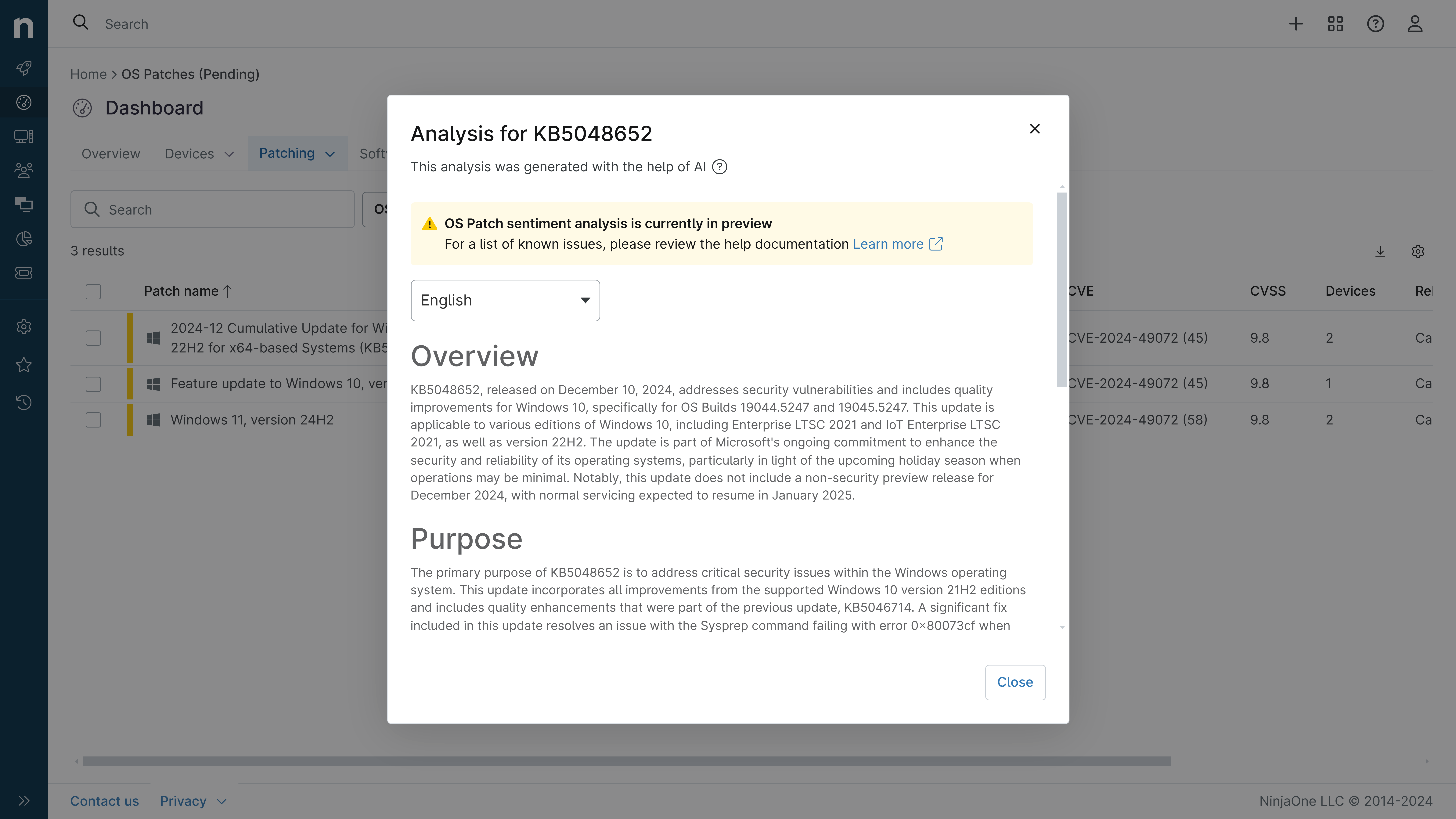
KB5094122: Overview with user sentiment and feedback
Last Updated June 15, 2026
Probability of successful installation and continued operation of the machine
Overview
KB5094122 is a cumulative security update released on June 9, 2026, for Windows Server 2016, Windows 10 Enterprise LTSB 2016, and Windows 10 IoT Enterprise LTSB 2016 (OS Build 14393.9234). This update addresses critical security vulnerabilities and quality improvements as part of Microsoft's ongoing commitment to system security and stability. The patch is particularly significant as it addresses the impending Secure Boot certificate expiration issue affecting Windows devices globally, with certificates set to expire starting in June 2026.
This cumulative update builds upon the May 12, 2026 release (KB5087537) and incorporates all previously released fixes and improvements. The update is designed to be deployed across enterprise environments and managed systems through various distribution channels including Windows Update, Windows Update for Business, the Microsoft Update Catalog, and Windows Server Update Services (WSUS). Microsoft has implemented a phased rollout approach to ensure stability and minimize disruption to production systems.
General Purpose
KB5094122 serves multiple critical functions for supported Windows systems. The primary purpose is to deliver essential security hardening measures, particularly focused on Secure Boot infrastructure and certificate management. The update introduces a new policy setting called LimitSecureBootRequiredServiceData that provides organizations with enhanced control over privacy and data transmission by allowing administrators to limit Secure Boot service data sent to Microsoft. This addresses privacy concerns in enterprise environments while maintaining security posture.
A significant component of this update addresses the Secure Boot certificate expiration challenge by distributing updated certificates to devices through a controlled, phased rollout mechanism. The update includes additional high-confidence device targeting data that expands coverage for devices eligible to receive new Secure Boot certificates, with distribution occurring only after devices demonstrate successful update signals. Additionally, the patch resolves a specific issue affecting Distributed File System (DFS) Namespaces on domain controllers with hostnames exactly 15 characters in length. The update also implements security hardening changes to how Windows processes desktop.ini files, strengthening the system against potential security vulnerabilities related to custom folder customization.
General Sentiment
The overall sentiment regarding KB5094122 is positive, particularly given its critical role in addressing the Secure Boot certificate expiration issue. The update represents a necessary and well-planned response to a significant infrastructure challenge that could have affected system boot capabilities across millions of devices. Microsoft's transparent communication about the certificate expiration timeline and the phased rollout approach demonstrates mature update management practices.
However, there are some considerations that warrant attention. The security hardening change to desktop.ini file processing may result in visual inconsistencies for some users, with missing custom folder icons or localized folder names for content from downloaded or remote locations. While Microsoft emphasizes that folder access itself remains unaffected, this change could impact user experience in environments relying on customized folder presentations. The update also requires the prerequisite installation of Servicing Stack Update KB5094141, which adds a deployment dependency that organizations must account for in their update planning. For enterprise administrators and IT professionals managing legacy systems (Windows Server 2016 and Windows 10 LTSB 2016), this update is viewed as essential despite the approaching end-of-support dates, as it provides critical security coverage during the final operational months of these platforms.
Known Issues
- Desktop.ini File Processing: Some users may experience missing custom folder icons or localized folder names for content originating from downloaded or remote locations due to security hardening changes in how Windows processes desktop.ini files. Folder access functionality remains unaffected.
- Deployment Requirement: The boot.stl file must be included when deploying dynamic updates to existing Windows images; failure to include this file may result in error code 0xc0430001 and prevent successful system startup from installation media.
- Servicing Stack Update Dependency: Installation of Servicing Stack Update KB5094141 is required before applying this cumulative update; systems without the latest SSU may not be offered this update through Windows Update channels.
Disclaimer: We take measures to ensure that AI-generated content is of the highest possible quality, but we cannot guarantee its accuracy and recommend that users do their own independent research. Generated on 2026-06-15 01:13 PM