KB5078822: Overview with user sentiment and feedback
Last Updated April 30, 2026
Probability of successful installation and continued operation of the machine
Overview
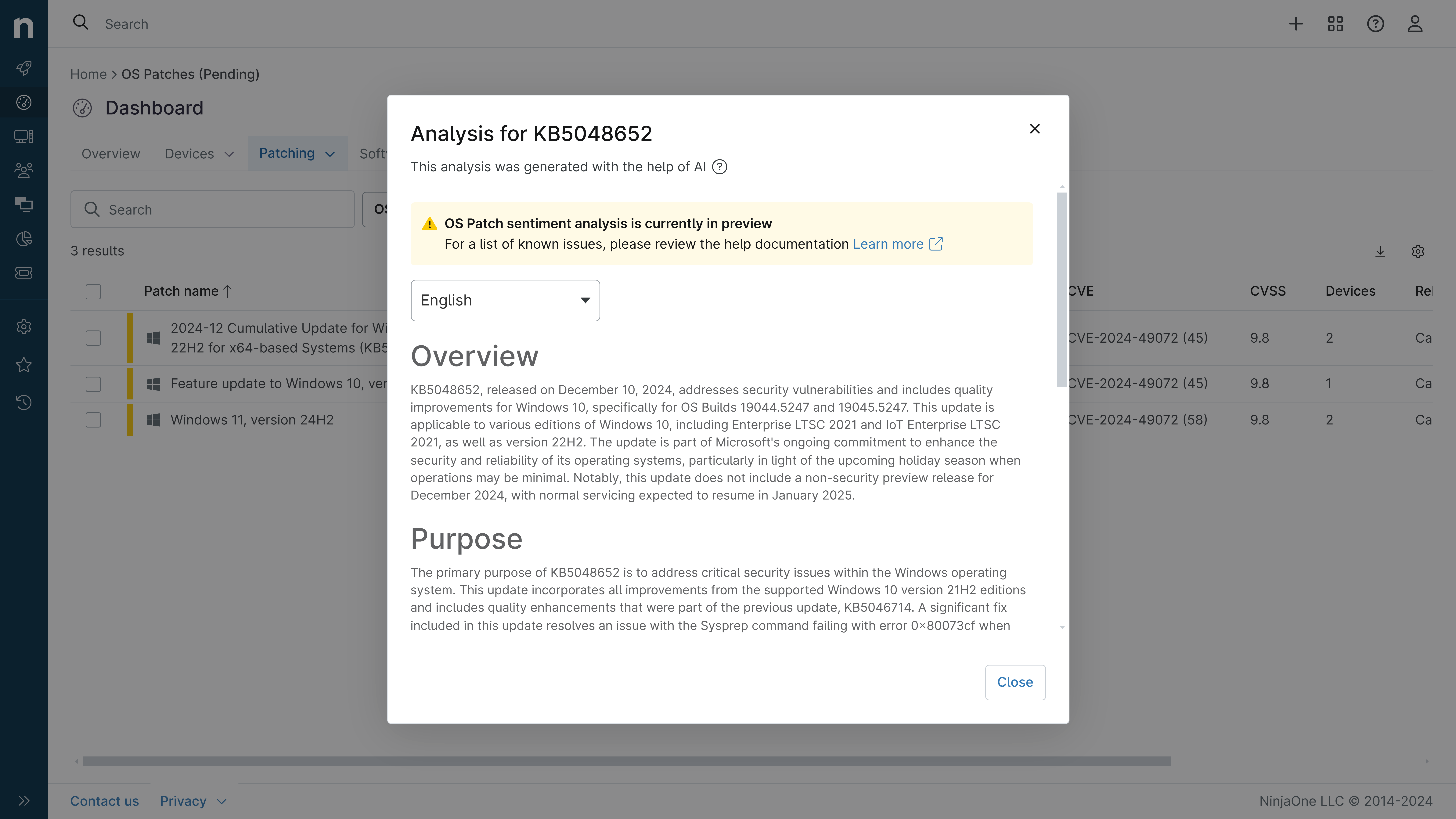
KB5078822 is a Safe OS Dynamic Update for Windows Server 2022 released on March 10, 2026. This update specifically targets improvements to the Windows Recovery Environment (WinRE), which is the specialized recovery partition used by Windows Server systems for troubleshooting and repair operations. The update brings the WinRE version to 10.0.20348.4893 and replaces the previously released KB5075915.
This patch is distributed exclusively through the Microsoft Update Catalog and is classified as a permanent update that cannot be removed once applied to a Windows image. The update encompasses a comprehensive set of system files including core kernel components, security libraries, recovery tools, and boot-related executables. As a Safe OS Dynamic Update, it is designed to be applied during the Windows setup or recovery process to ensure system integrity and security.
General Purpose
The primary purpose of KB5078822 is to enhance the Windows Recovery Environment functionality for Windows Server 2022 systems. This update addresses critical improvements to the recovery partition that handles system diagnostics, repair operations, and recovery scenarios. The patch includes updates to essential recovery tools such as ResetEngine, BootRec, and RecEnv utilities, along with foundational system components like the kernel, cryptographic libraries, and boot managers. By updating these core recovery components, the patch ensures that administrators have reliable recovery capabilities when systems encounter issues. The update also includes improvements to USB driver support, network stack components, and security-related libraries that are utilized during the recovery process. Additionally, the patch prepares systems for upcoming Secure Boot certificate expiration events scheduled for June 2026, ensuring continued secure boot functionality.
General Sentiment
Community feedback regarding KB5078822 reveals a mixed sentiment with some significant concerns. While the update itself is intended to strengthen system recovery capabilities, reported issues indicate that installation can lead to complications with subsequent security updates. A documented case shows that after successfully installing KB5078822, administrators encountered difficulties installing the follow-up security update KB5078766, with error codes 2148081668 (CRYPT_E_NOT_FOUND) and 2149851140 indicating Component-Based Servicing (CBS) store corruption. However, it is important to note that these issues appear to be environment-specific rather than universal failures, as the same security update installed successfully on servers where KB5078822 was not applied. The troubleshooting responses from Microsoft advisors suggest that while the patch itself is not inherently defective, it can interact with existing system states in ways that create update sequencing problems. The permanent nature of the update and inability to uninstall it adds to user concern, though this is by design for recovery components. Overall, the sentiment leans toward cautious adoption with careful monitoring of subsequent update installations.
Known Issues
- Update sequencing complications: Installation of KB5078822 may leave the Component-Based Servicing (CBS) store in a state that prevents subsequent security updates from installing, resulting in error codes 2148081668 and 2149851140
- CBS store and cryptographic catalog corruption: The update can cause the Windows Update engine to enter a pending operation state that blocks future updates
- Permanent installation status: The update cannot be removed once applied, limiting remediation options if issues arise
- Update engine lockup: In affected systems, the Windows Update engine may become trapped in a zombie pending state, preventing installation of new patches
Disclaimer: We take measures to ensure that AI-generated content is of the highest possible quality, but we cannot guarantee its accuracy and recommend that users do their own independent research. Generated on 2026-04-30 01:25 PM