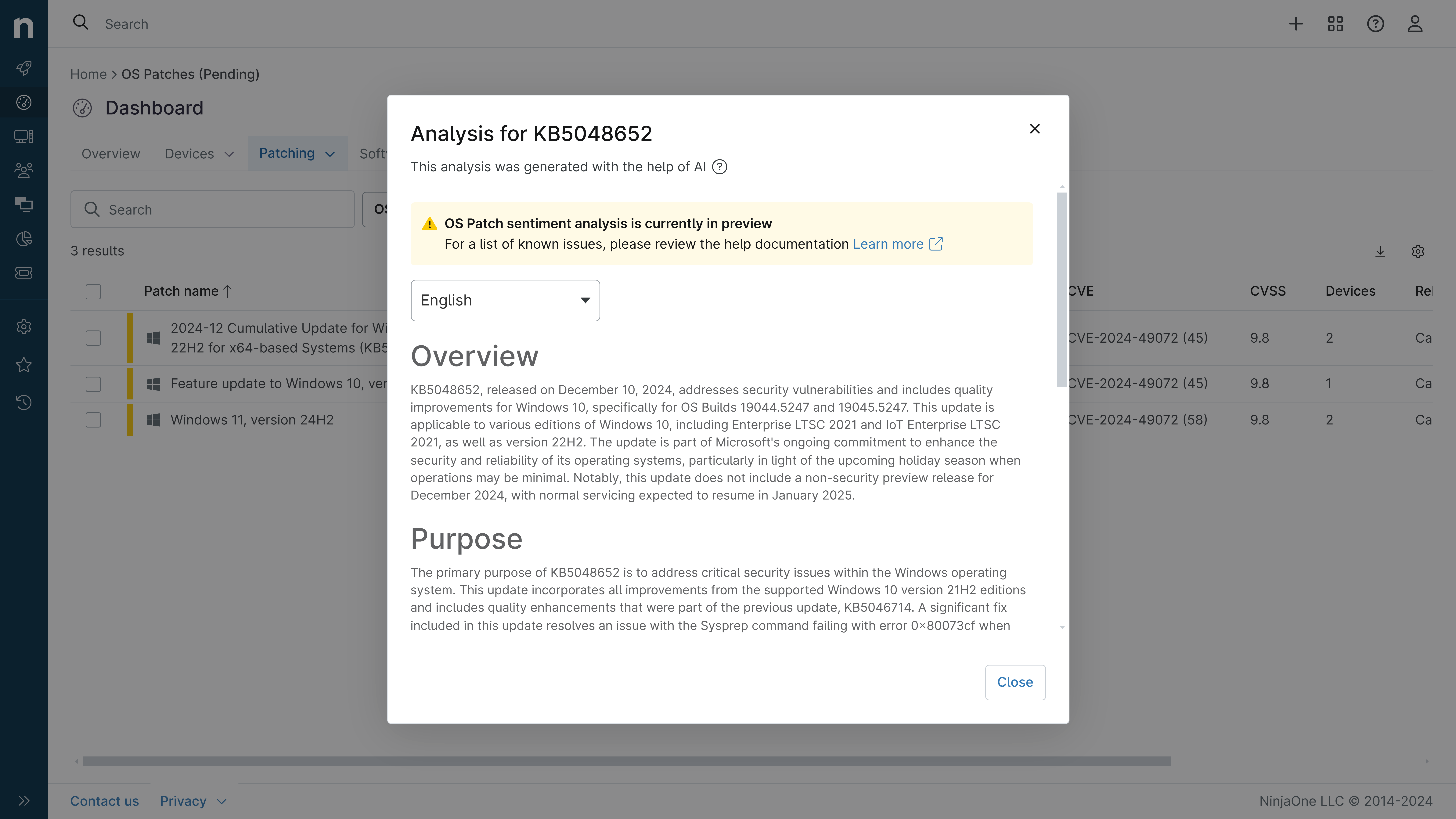
KB5071501: Overview with user sentiment and feedback
Last Updated January 29, 2026
Probability of successful installation and continued operation of the machine
Overview
This security update for Windows Server 2008 R2 includes fixes and quality improvements that are part of the November 11, 2025 KB5068904 (Monthly Rollup). The key changes in this update are:- The Invoke-WebRequest PowerShell 5.1 command now includes a confirmation prompt with a security warning about script execution risk. Users can choose to continue or cancel the request. This addresses CVE-2025-54100 and KB5074596.- There are additional security updates and improvements, details of which can be found in the Deployments | Security Update Guide and the December 2025 Security Updates.
General Purpose
The primary purpose of this cumulative monthly security update is to address several security vulnerabilities and improve the overall quality and stability of Windows Server 2008 R2. The most notable change is the addition of a security prompt for the PowerShell Invoke-WebRequest cmdlet. This helps prevent potential script execution risks when making web requests from PowerShell. Beyond that, this update includes a variety of other bug fixes and enhancements to improve the reliability and security of the Windows Server 2008 R2 operating system. It is recommended that customers install this update to ensure their systems are up-to-date and protected.
General Sentiment
The general sentiment around this Windows Server 2008 R2 cumulative monthly update appears to be mixed. On the positive side, it addresses several known security vulnerabilities and includes quality-of-life improvements like the PowerShell Invoke-WebRequest security prompt. This helps improve the overall security posture of the aging Windows Server 2008 R2 platform.However, the update also introduces a known issue related to the Message Queuing (MSMQ) functionality. This issue can cause problems with MSMQ queues becoming inactive, IIS sites failing, and applications unable to write to queues. The root cause is attributed to recent changes in the MSMQ security model and NTFS permissions. While Microsoft has provided a resolution for this known issue in a subsequent out-of-band update, the presence of a disruptive bug dampens the overall sentiment. Customers running Windows Server 2008 R2 in enterprise or managed IT environments will need to carefully evaluate the update and potential impact before deployment.
Known Issues
- Message Queuing (MSMQ): After installing this update, users may face issues with the Message Queuing (MSMQ) functionality. This includes MSMQ queues becoming inactive, IIS sites failing with "Insufficient resources to perform operation" errors, and applications unable to write to queues. Errors such as "The message file 'C:WindowsSystem32msmqstorage*.mq' cannot be created" may also occur, despite sufficient disk space and memory being available. This is caused by recent changes to the MSMQ security model and NTFS permissions on the C:WindowsSystem32MSMQstorage folder, which now requires write access for MSMQ users (normally restricted to administrators). This issue primarily affects enterprise or managed IT environments, and not individual home or personal devices.
Disclaimer: We take measures to ensure that AI-generated content is of the highest possible quality, but we cannot guarantee its accuracy and recommend that users do their own independent research. Generated on 2026-01-29 01:15 PM