🔑 Key Points – Disable CPU Throttling in Windows
- CPU throttling slows your processor to reduce heat and power use, but can limit performance for tasks like gaming, virtualization, and data processing.
- Disable throttling by selecting a High Performance power plan and setting both Minimum and Maximum processor state to 100% in Power Options.
- Advanced methods include registry tweaks (PowerThrottlingOff=1, core parking adjustments) and BIOS/UEFI changes like disabling Intel SpeedStep or AMD Cool’n’Quiet.
- Detect throttling via Task Manager’s Power Throttling column, Performance Monitor, Event Viewer logs, and CPU temperature monitoring tools.
- Best practice: Ensure strong cooling, update drivers, and run stability tests after disabling throttling to prevent overheating and maintain reliability.
When investigating how to disable CPU throttling, it’s essential to understand its impact on system performance. Power throttling is a built-in feature designed to protect business computers from overheating and excessive power consumption. However, for resource-intensive tasks like data processing and virtualization, these safeguards can reduce performance. Fortunately, Windows offers several ways to manage these settings while keeping your system stable.
📌 Watch How To Disable CPU Throttling In Windows if you prefer visual overview of this blog.
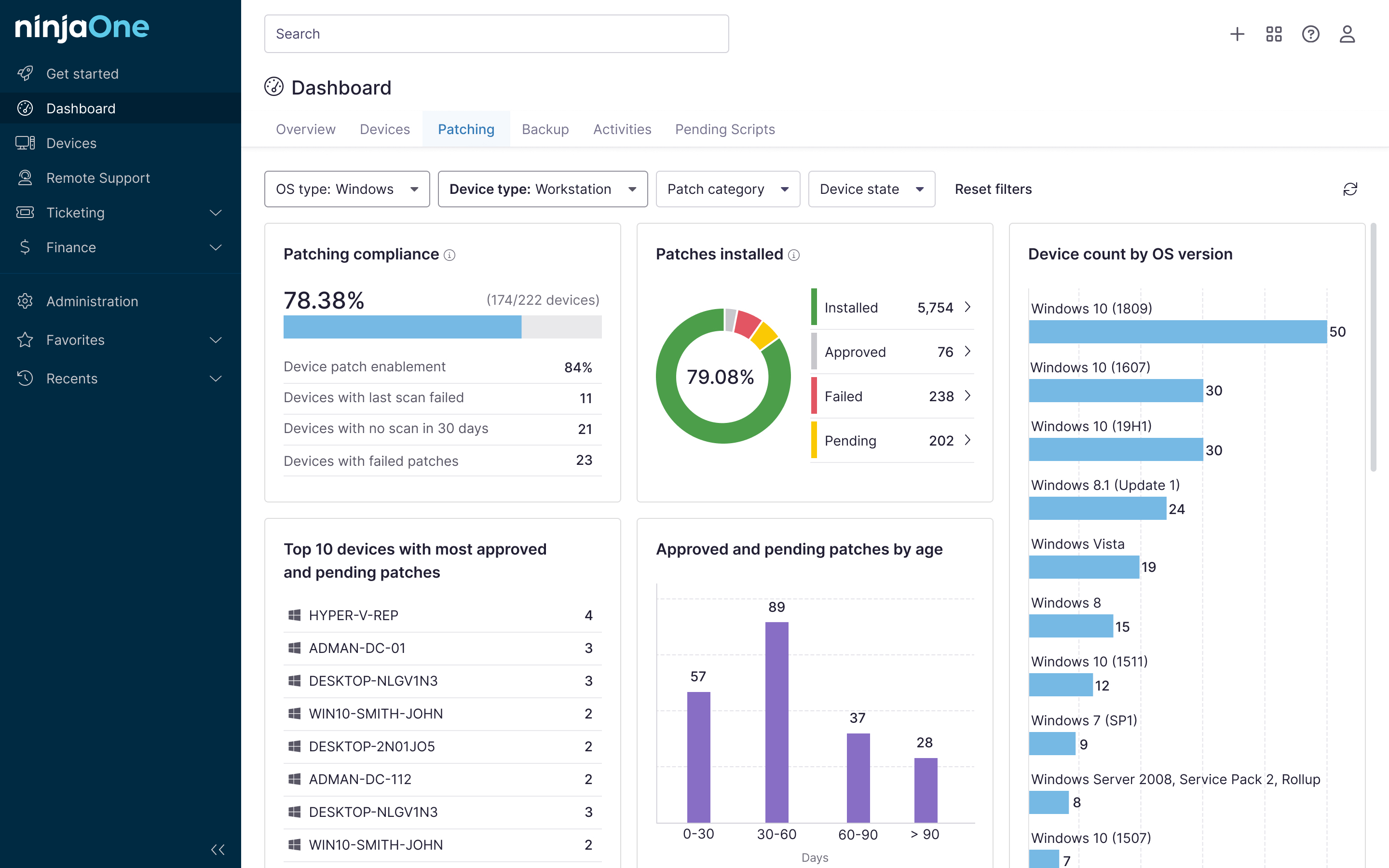
Ensure consistent performance across all devices with endpoint management.
How to disable CPU throttling
If throttling is limiting performance, Windows offers several ways to disable or adjust it. These range from simple power plan modifications to advanced BIOS configurations.
Adjusting power plans
Power plans control how Windows manages system resources. Through Windows power settings, you select performance profiles that match your workload requirements. If you wonder how to disable CPU throttling, follow these steps:
- Press Windows + X and select “Power Options.”
- Click “Additional power settings”
- Select “High performance” or click “Create a power plan” for custom settings.
- Choose “Change plan settings.”
- Click “Change advanced power settings”
- Expand “Processor power management” in the advanced settings menu.
- Set both “Minimum processor state” and “Maximum processor state” to 100%.
- Apply the changes and click OK.
Modifying the Windows registry
The Windows registry holds specific power management settings that control processor behavior. Proceed with these registry modifications:
1 .Back up your registry by creating a restore point.
2. Press Windows + R and type “regedit” to open Registry Editor.
3. Navigate to “HKEY_LOCAL_MACHINE\SYSTEM\CurrentControlSet\Control\Power\PowerSettings.”
4. Locate and modify the “Processor performance core parking min cores” value.
5. Change the “Attributes” value from 1 to 0 to enable additional power settings.
💡NOTE: This registry key controls visibility of CPU core parking options.
6. Set “Maximum processor frequency” to your CPU’s rated speed.
7. Create new DWORD values for custom power schemes if needed.
8. Restart your computer to apply the changes.
BIOS configuration changes
BIOS settings provide the deepest level of control over processor behavior. Follow these BIOS modification steps:
- Save all work and shut down your computer completely.
- Boot into BIOS by pressing the appropriate key during startup (often Delete or F2).
- Navigate to the “Advanced” or “Performance” section.
- Locate “CPU Configuration” or similar processor settings.
- Disable “Intel Speed Step” or “AMD Cool’n’Quiet” features.
- Adjust “Power Technology” settings to maximize performance.
- Verify cooling settings are configured for higher performance.
- Save changes and exit BIOS, allowing the system to restart.
What is power throttling in Windows?
Power throttling in Windows serves as an automatic protection system for your hardware. When your CPU experiences high temperatures or excessive power draw, Windows slows it down to reduce heat generation and power consumption.
What is a throttled CPU?
A throttled CPU runs below its rated speed, limiting performance to prevent overheating. This typically occurs during heavy workloads, such as running multiple virtual machines or processing large datasets. While throttling protects hardware, it can also cause slower application response times and extended processing durations—negatively affecting business-critical tasks.
System protection role
Power throttling acts as a safeguard for your hardware investments. The Windows power management system continuously monitors processor temperature, power consumption and system load. These protective measures prevent thermal damage that could lead to system crashes or permanent hardware failure.
Microsoft designed these protective features for mobile workforces where battery life takes priority. Yet in business environments, particularly for workstations handling processor-intensive tasks, these safeguards can hinder productivity. Database operations, video encoding and financial modeling software require consistent processor performance for reliable operation.
How to detect CPU throttling?
Before modifying processor behavior, you need to identify if your CPU is being throttled. Windows provides several monitoring tools to help you track system performance and thermal conditions.
Performance indicators
Signs of power throttling include sudden drops in processing speed, longer application response times, and reduced overall performance. To identify throttling, check:
These indicators help you determine if processor speed reduction impacts your workloads.
- Task Manager performance graphs show sudden drops in processor frequency during heavy workloads.
- Windows Performance Monitor reveals extended periods of reduced CPU clock speeds.
- Resource utilization reports display unexpected decreases in processing capacity.
- System event logs record specific power management transitions.
- Process performance counters indicate reduced computation speeds.
Temperature warning signs
High temperatures often trigger processor throttling. Windows and hardware sensors work together to monitor and respond to thermal conditions. Your system relies on multiple temperature checkpoints to maintain safe operating conditions while balancing performance requirements.
Resource usage patterns
Understanding resource consumption helps you identify throttling events in your business applications. Windows tracks various metrics to determine when speed reduction becomes necessary. These patterns reveal how your workloads interact with power management systems and impact overall system performance.
The monitoring system evaluates:
- Processing demands from different application types.
- Memory utilization across running processes.
- Storage access patterns during intensive operations.
- Network activity levels for distributed workloads.
- Background service resource requirements.
Application-specific throttle control
The ability to control throttling for individual applications gives you precise performance management capabilities. This granular control helps you prioritize business processes while maintaining system stability.
Keep in mind, however, that setting process priority doesn’t guarantee throttling is disabled. Instead, it helps with resource allocation.
Priority-level assignments
Windows Task Manager provides mechanisms to set processing priorities for your key applications. When you assign higher priority levels to specific programs, Windows allocates more processor time to these tasks. This becomes particularly valuable for resource-intensive applications like data analysis tools or virtual machines that require consistent processing power.
Background app management
Managing background applications plays a crucial role in optimizing system resources. Windows allows you to control how background processes utilize processor capacity and power. By identifying and adjusting background app behavior, you prevent non-essential processes from competing with your primary applications for processing power.
The system evaluates various factors to manage background processes:
- Application importance based on user interaction
- Resource consumption patterns
- System impact measurements
- Power efficiency ratings
- Historical performance data
Process affinity rules
Process affinity defines which processor cores handle specific applications. This precise control method lets you dedicate processing resources to your most demanding workloads. By setting process affinity rules, you create dedicated processing pathways for business applications while maintaining efficient resource distribution across your system.
Affinity rules become particularly important in multiprocessor environments where workload distribution affects overall system performance. Your business applications benefit from consistent processing capabilities when you establish clear affinity assignments. This approach helps maintain predictable performance levels for your essential business operations.
Power throttling best practices
Maintaining optimal system performance requires ongoing monitoring and adjustment of your throttling controls. A systematic approach to system management helps prevent performance issues while protecting your hardware investment.
Monitor system temperature
Regular temperature monitoring serves as an early warning system for potential throttling events. Windows provides built-in tools to track thermal conditions, while third-party applications offer detailed sensor readings and historical data. Your monitoring strategy should focus on identifying patterns that trigger throttling responses.
Optimize system resources
Proper resource management extends beyond simple throttling controls. Your system benefits from regular maintenance procedures that optimize processing efficiency. This includes updating drivers, maintaining clean cooling systems and scheduling intensive tasks during periods of lower system demand.
Run stability tests
Regular stability testing validates your throttling configurations. Performance benchmarks help identify any negative impacts from your throttling adjustments. These checkpoints protect your system while maintaining the processing power needed for business operations.
Monitoring tools combined with consistent maintenance procedures are important power throttling best practices. They help you achieve the right balance between performance and system protection. Getting the most out of your PC.
Monitor and optimize the performance of your hardware with NinjaOne.
Streamline your IT operations!
NinjaOne’s unified endpoint management platform enables you to automate routine tasks, monitor system health and deploy configurations across your entire network from a single dashboard. Experience modern IT management at work — start your free trial today.